
Understanding Co-Occurring Mental Health and Substance Use Disorders
By Tim StoddartSep 11, 2026Addiction Resources
Sponsored This post was paid for by a sponsor.
In this article
- What Are Co-Occurring Disorders?
- Why Do Mental Health and Substance Use Disorders Occur Together?
- How Can One Condition Affect the Other?
- Mental Health Conditions That Can Co-Occur With Substance Use Disorders
- Anxiety Disorders
- Depression and Mood Disorders
- PTSD and Trauma-Related Conditions
- ADHD
- Why Treating Both Conditions Matters
- What Does Integrated Treatment Look Like?
- Psychotherapy
- Trauma-Informed Care
- Substance Use Treatment
- Medication Management
- Where Does Advanced Psychological Services Fit In?
- Why Is Professional Assessment Important?
- When Should You Consider Seeking Professional Help?
- How Can Families Support Someone With Co-Occurring Disorders?
- Learn About Both Conditions
- Encourage Professional Support
- Set Healthy Boundaries
- Take Care of Yourself
- Frequently Asked Questions
- What is the difference between a co-occurring disorder and a dual diagnosis?
- Can a mental health disorder cause addiction?
- Should mental health or substance use be treated first?
- Can someone recover from a co-occurring disorder?
- What happens during an assessment for co-occurring disorders?
- Where can someone find help for co-occurring disorders?
- Moving Forward
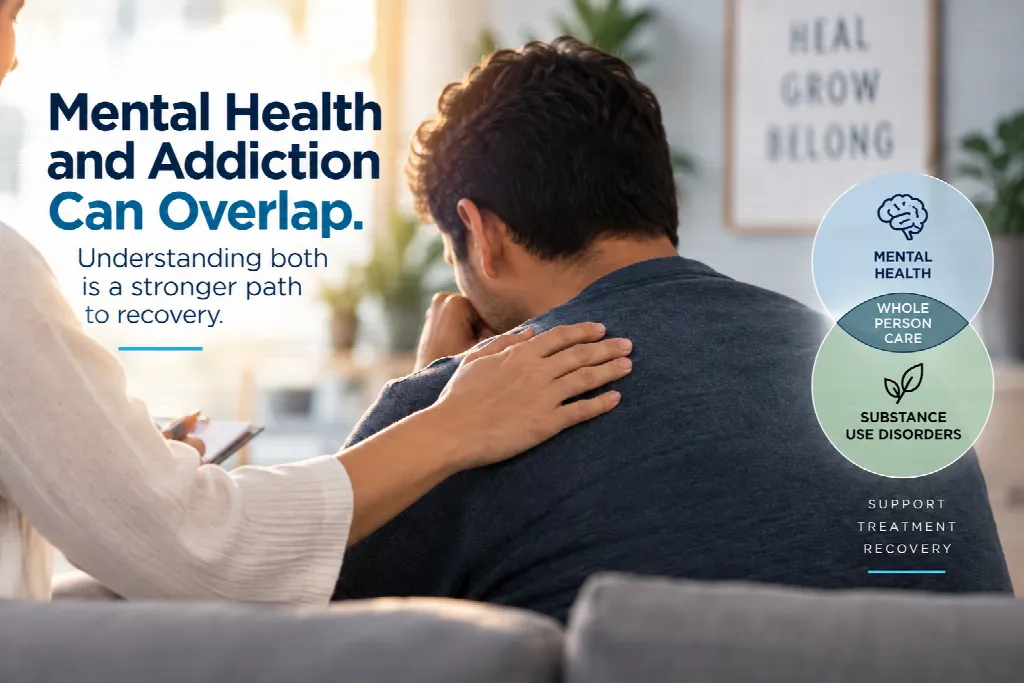
Mental health and substance use problems do not always happen separately. For some people, anxiety, depression, trauma, or another mental health condition exists alongside a substance use disorder. When both are present, clinicians often describe them as co-occurring disorders.
Having both conditions can make recovery more complicated, but it also means that treatment does not have to focus on only one part of the problem. Understanding how mental health and substance use can interact is an important first step toward finding appropriate support.
What Are Co-Occurring Disorders?
Co-occurring disorders refer to the presence of both a mental health disorder and a substance use disorder in the same person.
The combination can look different from one person to another. Someone may experience depression alongside alcohol use disorder, for example, while another person may live with PTSD and a stimulant or opioid use disorder.
According to the Substance Abuse and Mental Health Services Administration (SAMHSA), co-occurring disorders can involve many different combinations of mental health and substance use conditions. SAMHSA also recommends integrated approaches that address both concerns rather than treating them as completely separate problems.
The important thing to understand is that there is no single version of a dual diagnosis. The symptoms, causes, and treatment needs can vary considerably from person to person.
Why Do Mental Health and Substance Use Disorders Occur Together?
There is not one simple explanation for why mental health and substance use disorders often overlap.
Research and clinical experience point to several possible connections, including shared risk factors, difficult life experiences, trauma, genetics, and the effects that one condition can have on the other.
For some people, substance use may begin as an attempt to cope with difficult emotions or symptoms. A person experiencing severe anxiety, depression, trauma, or emotional distress may turn to alcohol or drugs because they temporarily change how that person feels.
That temporary relief can come with significant costs, however. Continued substance use can create additional physical, emotional, and social problems and may make existing mental health symptoms harder to manage.
In other cases, substance use may contribute to the development or worsening of mental health symptoms. SAMHSA describes the relationship between substance use disorders and mental disorders as bidirectional, meaning each can influence the other.
How Can One Condition Affect the Other?
Co-occurring disorders can create a cycle that is difficult to break without appropriate support.
For example, someone with severe social anxiety might begin drinking alcohol before social situations because it makes them feel more comfortable. Over time, drinking may become more frequent or difficult to control. Problems related to alcohol use can then create additional stress, relationship problems, sleep difficulties, or other challenges.
Similarly, someone experiencing depression may use substances to escape emotional pain. The consequences of substance use can then contribute to more isolation, financial problems, conflict, or worsening emotional health.
This does not mean that every person with a mental health disorder will develop a substance use disorder, or that substance use always causes a mental health condition. The relationship is complex and can be different for every individual.
Mental Health Conditions That Can Co-Occur With Substance Use Disorders
A substance use disorder can occur alongside many different mental health conditions. Some commonly discussed examples include anxiety disorders, depression, bipolar disorder, PTSD, and ADHD.
Anxiety Disorders
Anxiety can affect thoughts, physical sensations, sleep, concentration, and everyday functioning.
Some people use alcohol or other substances in an attempt to reduce anxiety or feel more comfortable in stressful situations. While this may provide temporary relief, relying on substances to manage anxiety can create additional problems and make it harder to develop healthier coping strategies.
Depression and Mood Disorders
Depression can affect motivation, sleep, concentration, relationships, and a person's ability to manage everyday responsibilities.
Some people experiencing depression may use substances in an attempt to numb difficult emotions or temporarily change their mood. Substance use can then add another layer of difficulty to an already challenging situation.
Bipolar disorder and other mood conditions can also occur alongside substance use disorders. Because symptoms and treatment needs can overlap, professional assessment can be important when both substance use and significant mood changes are present.
PTSD and Trauma-Related Conditions
Trauma and substance use can also be closely connected.
Some people who have experienced trauma may use alcohol or drugs to avoid distressing memories, emotional pain, sleep problems, or other trauma-related symptoms. Over time, substance use can become another source of difficulty rather than a solution.
Treatment for people with trauma and substance use concerns may therefore need to consider both issues rather than treating them as unrelated problems.
ADHD
ADHD can affect attention, impulse control, organization, emotional regulation, and daily functioning.
When ADHD and substance use problems occur together, treatment may need to address both conditions. A professional assessment can help distinguish ADHD symptoms from symptoms that may be related to substance use, withdrawal, sleep problems, or another mental health condition.
Why Treating Both Conditions Matters
It can be tempting to think that one problem needs to be completely resolved before the other can be addressed. In many cases, however, treating mental health and substance use concerns together can provide a more complete approach to recovery.
SAMHSA recommends integrated care for people with co-occurring disorders. Integrated treatment can involve coordinated services in which mental health and substance use concerns are considered together as part of an individualized treatment plan.
This approach recognizes that a person's emotional health, substance use, physical health, relationships, and environment can all affect recovery.
What Does Integrated Treatment Look Like?
Integrated treatment does not look exactly the same for everyone.
Depending on a person's needs, treatment may include individual therapy, substance use counseling, behavioral therapies, trauma-informed care, medication management when clinically appropriate, psychological assessment, peer support, or other services.
The goal is not simply to treat a diagnosis on paper. The goal is to understand the person as a whole and develop care around their specific circumstances.
Psychotherapy
Different forms of psychotherapy can help people understand patterns of thoughts, emotions, and behaviors while developing healthier ways to cope.
Approaches such as Cognitive Behavioral Therapy (CBT) and Dialectical Behavior Therapy (DBT) may be used depending on the person's needs and treatment plan.
Trauma-Informed Care
Trauma-informed care recognizes that past experiences can affect a person's mental health, relationships, behavior, and response to treatment.
A trauma-informed approach emphasizes safety, trust, collaboration, and respect rather than treating a person's symptoms in isolation.
Substance Use Treatment
Substance use treatment can help people understand patterns of use, identify triggers, develop coping skills, and work toward their recovery goals.
The appropriate level of care depends on factors such as the substance involved, severity of use, withdrawal risk, physical health, mental health, and available support.
Medication Management
Medication may be appropriate for some people with co-occurring mental health conditions or substance use disorders. Decisions about medication should be made with a qualified healthcare professional who can consider the person's medical history, current symptoms, substance use, and other medications.
Where Does Advanced Psychological Services Fit In?
For people looking for professional support for co-occurring mental health and substance use concerns, Advanced Psychological Services (APS) offers services that address both areas.
APS provides a Comprehensive Co-Occurring Intensive Outpatient Program designed for individuals experiencing both substance use and mental health disorders. According to APS, the program uses an integrated, trauma-informed approach and includes support from a multidisciplinary team.
The APS team can include an alcohol and drug counselor, therapist, psychologist, psychiatric mental health nurse practitioner, and peer recovery specialist. Services may include therapy, psychological assessments, substance use treatment, and medication management when appropriate.
Learn more about Advanced Psychological Services and its approach to co-occurring mental health and substance use treatment.
Why Is Professional Assessment Important?
Mental health symptoms and substance-related symptoms can sometimes look similar or affect one another.
For example, changes in mood, sleep, concentration, anxiety, or behavior may have several possible explanations. Substance use, withdrawal, trauma, medications, physical health conditions, and mental health disorders can all play a role.
A professional assessment can help clarify what is happening and identify appropriate treatment options.
An assessment may consider:
- Mental health history
- Substance use patterns
- Medical history
- Family history
- Trauma and significant life experiences
- Current symptoms
- Daily functioning
- Safety concerns
- Previous treatment and recovery experiences
A person does not need to know exactly what diagnosis they have before asking for help. Seeking an assessment can simply be a way to better understand what is happening and what options may be available.
When Should You Consider Seeking Professional Help?
It may be worth talking with a qualified professional when substance use or mental health symptoms begin interfering with everyday life.
Some signs that additional support may be helpful include:
- Using alcohol or drugs to cope with anxiety, sadness, trauma, or other emotional distress
- Finding it difficult to control or reduce substance use
- Experiencing withdrawal symptoms or increasing tolerance
- Struggling to maintain responsibilities at work, school, or home
- Experiencing significant changes in mood, sleep, or behavior
- Feeling increasingly isolated because of substance use or mental health symptoms
- Repeatedly trying to stop using substances without being able to maintain the change
- Feeling overwhelmed by emotional distress or problems related to substance use
If someone is experiencing thoughts of suicide, self-harm, or an immediate safety crisis, they should seek emergency help rather than waiting for a routine appointment.
How Can Families Support Someone With Co-Occurring Disorders?
Supporting someone with addiction and mental health challenges can be difficult. Family members may feel worried, frustrated, or unsure about what to say.
A few approaches can help.
Learn About Both Conditions
Learning about mental health and substance use disorders can make it easier to understand what a loved one may be experiencing.
Education does not mean excusing harmful behavior. It can simply help replace assumptions and stigma with a more informed perspective.
Encourage Professional Support
If someone is struggling with both mental health and substance use, encourage them to speak with a qualified professional who can consider both concerns.
Avoid trying to diagnose the person yourself. Instead, focus on expressing concern and offering practical support when possible.
Set Healthy Boundaries
Supporting someone does not mean accepting behavior that is harmful to you or others.
Healthy boundaries can protect family members while still allowing them to remain supportive of a loved one's recovery.
Take Care of Yourself
Family members and caregivers can also need support.
Counseling, peer support groups, family therapy, and other resources may help loved ones manage stress and better understand their own needs while someone close to them is in treatment.
Frequently Asked Questions
What is the difference between a co-occurring disorder and a dual diagnosis?
In this context, the terms generally refer to the same situation: a person has both a mental health disorder and a substance use disorder.
Can a mental health disorder cause addiction?
There is no simple cause-and-effect relationship. Mental health conditions can increase vulnerability to substance use problems, while substance use can also worsen or contribute to mental health symptoms. Shared risk factors can also play a role.
Should mental health or substance use be treated first?
Treatment decisions depend on the individual. For people with co-occurring disorders, integrated care that addresses both mental health and substance use concerns can help providers develop a more complete treatment plan.
Can someone recover from a co-occurring disorder?
Yes. Recovery can look different for every person, and treatment may involve different services over time. The appropriate approach depends on the individual's symptoms, substance use, health, goals, and circumstances.
What happens during an assessment for co-occurring disorders?
A professional may ask about mental health symptoms, substance use, medical history, medications, family history, trauma, daily functioning, and previous treatment. The purpose is to understand the full picture and determine what types of support may be appropriate.
Where can someone find help for co-occurring disorders?
A person can begin by speaking with a mental health professional, addiction treatment provider, primary care provider, or another qualified healthcare professional.
SAMHSA's National Helpline is also available at 1-800-662-HELP (4357) for free, confidential, 24/7 information and treatment referrals in the United States.
Moving Forward
Co-occurring mental health and substance use disorders can make recovery more complicated, but people do not have to address every part of the problem alone.
Understanding the connection between mental health and substance use can help people recognize when additional support may be needed. Professional assessment can provide clarity, while integrated treatment can address the different factors affecting a person's recovery.
For someone struggling with addiction, mental health symptoms, or both, asking for help is not a sign of failure. It can be the beginning of a more informed and sustainable path forward.
About the author
Tim Stoddart
Spiritual gangster. I love dogs, music and the blank page. Grateful to be sober. Join my mailing list for TimStodz and join my Facebook Page.
Alcohol recovery stories
In their own words, from people in the Sober Nation community.
Before
I was a bender, for nearly 20yrs of my life i repeated the cycle.
Today
“The fact that i have no desire to partake in these things that i allowed to assist me in ruining the life i worked so hard for is nothing short of a miracle, in the program they…”
Robert M. · 3 years sober
Read Robert’s storyBefore
My life has been a challenging journey marked by an ongoing battle with addiction spanning over 18 years.
Today
“Recovery is a journey marked by both triumphs and challenges. Yet, every day in recovery, even the most difficult, surpasses the best day lived in active addiction.”
Richard T. · 4 years sober
Read Richard’s storyBefore
It all controlled my life.
Today
“9 years sober, feels like a dream come true from the nightmare. I could not even reimagine going back after liberating and empowering myself from the soul slavery it all was.”
Cori G. · 11 years sober
Read Cori’s storyReady to take the next step?
Recovery starts with finding the right treatment. Browse rehab centers, detox programs, and sober living homes in our nationwide directory.
Choose your next step
Keep reading, with a purpose
Leave a Reply
Your email address will not be published. Required fields are marked *