

The Ultimate Family Guide to Addiction Treatment
Updated Sep 14, 2026
The use and subsequent abuse of substances—both legal and illicit—continues to be a significant public health concern in the United States. According to the Defining the Addiction Treatment Gap report released by the Substance Abuse and Mental Health Services Administration in 2012, it is estimated that 23.5 million Americans are addicted to alcohol and drugs. That number equates to 1 in every 10 Americans over the age of 12—roughly equal to the entire population of Texas. However, only 1 out of every 10 people with substance abuse and addiction problems receive treatment.
According to the 2012 National Survey on Drug Use and Health, the rate of substance abuse in males aged 12 and older in the U.S. was twice that of females between 2002 and 2012. Interestingly, substance abuse rates between males and females aged 12-17 were equal. Overall, 17.7 million people in the U.S. had alcohol dependence or abuse, and 7.3 million had illicit drug dependence or abuse.
Substance abuse costs the United States an estimated $510 billion annually, which includes specialty treatment and intervention services for both drug and alcohol abuse, as well as medical consequences, injuries, legal costs and lost productivity due to death and illness. In an article featured in Reuters last year, one factor influencing the stagnation of the U.S. economy was the rising financial burden of drug and alcohol abuse. Additionally, in 2009 (which was the last complete year statistics in this category were recorded), unemployed workers were twice as likely to report drug use, and one in twelve workers over the age of 18 reported drug use within the last month. Untreated addiction not only affects the person afflicted, but also our nation as a whole.
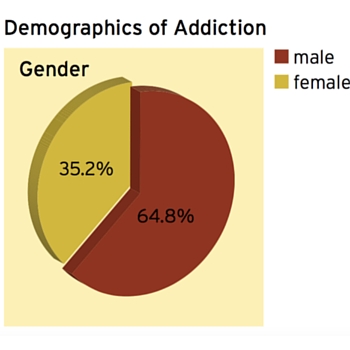
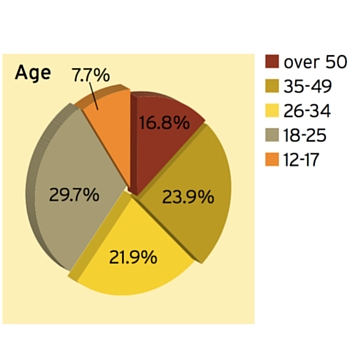
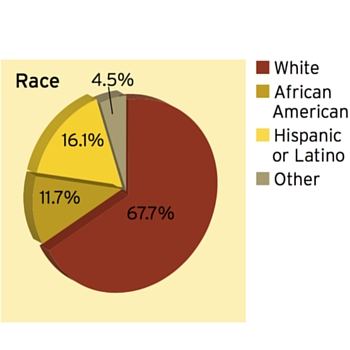
While substance abuse and addiction have significant impacts throughout the whole of American society, there are certain demographic groups in which the effects of drug and alcohol abuse are more pronounced. For example, there has been a sharp increase in the number of drug overdose deaths among women in the United States from prescription painkillers. Between 1999 and 2010, the rate of fatal overdoses quadrupled. Additionally, the Centers for Disease Control (CDC) reports that 42 women die every single day from prescription drug overdoses alone.
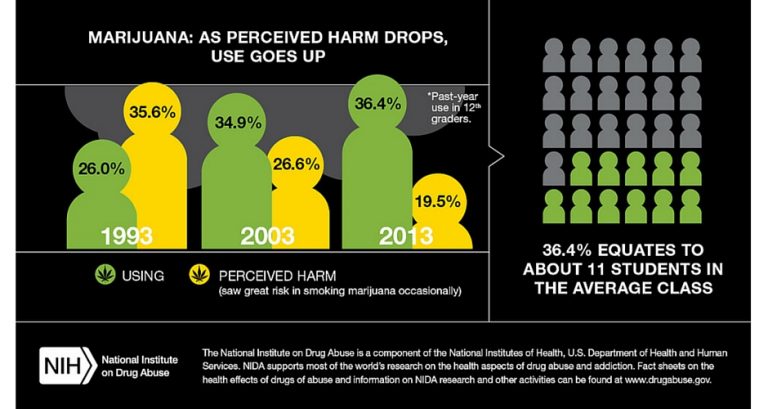
Another demographic group in which drug and alcohol abuse is more evident is U.S. teenagers and young adults. According to the 2013 Monitoring the Future survey, conducted by National Institute on Drug Abuse (NIDA), the use of marijuana among teenagers has increased significantly over the last two decades. In 2013, 36.4% of 12th graders reported marijuana use in the last year. That percentage is equal to approximately 11 students in an average class.
There have also been alarming rates in drug and alcohol abuse among the disabled. Within this group, substance abuse rates are 2 to 4 times that of the general population. Substance abuse rates also approach or exceed 50% for those with traumatic brain injuries, spinal cord injuries, and mental health issues.
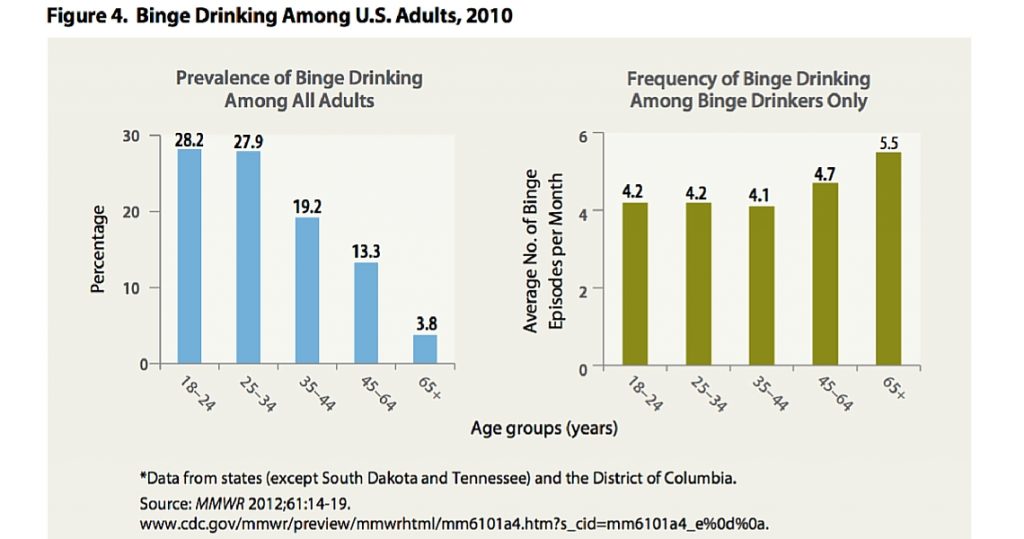
A final demographic group to consider is the elderly. In a report published by the Center of Disease Control last year, excessive alcohol use and binge drinking accounted for more than 21,000 deaths among adults 65 years or older. Older adults who engaged in binge drinking did so with more frequency as compared to younger age groups. On average, older binge drinkers consumed an average of about six drinks per binge episode, increasing the risk of a myriad of health and social problems.
Despite the evidence of persistent, chronic drug and alcohol abuse seen across these U.S. demographic groups, we are lacking in substance abuse treatment options. In 2011, 20.6 million people aged 12 years and older were classified as having substance dependence or abuse issues. However, 19.3 million people aged 12 years or older who needed substance abuse treatment were not able to receive assistance. Additionally, 1 out of every 4 people with a mental disorder or substance abuse disorder lacks health insurance. For those with both mental and substance abuse disorders, that figure nears 30 percent.
Drug and alcohol abuse issues continue to compound and grow in the United States. A more comprehensive and proactive approach regarding the recognition of substance abuse issues needs to come to the forefront. This increased focus can include the following goals:
- An exploration of how addiction is defined and understood.
- The exploration of the substances that are most commonly abused in the United States.
- Looking at both existing and emerging treatment options that can address the varied needs of different demographic groups.
- An increase in organized advocacy movements that focus on addiction issues, treatment, and ultimately recovery.
This guide explores these ideas, working to increase both awareness and knowledge. It is through an awareness of substance abuse issues, as well as the examination of credible and empirical data, that a meaningful dialogue can occur between people in the public health sector, people who work in the substance abuse field, along with the struggling addict and their families. The problem of drug and alcohol abuse in the United States will not change unless there is active exploration and engagement in those issues.
The steps of care, in brief
Treatment is not one event. It is a series of steps, and most people move through several of them over months rather than days. The later chapters of this guide cover each in detail; this is the map.
- Intervention. Sometimes a direct, private conversation is enough to get someone to accept help. When it is not, families sometimes stage a planned intervention with a professional. A poorly planned one can push a person further away, so read what a drug intervention involves before you try.
- Detox. SAMHSA describes detoxification as three things: evaluation (finding out what is in the body and screening for other medical or mental health conditions), stabilization (getting the person safely through withdrawal, often with medication), and preparing them to enter treatment. Detox on its own is not treatment. Our page on detoxification explains the settings.
- Treatment. This is the counseling, therapy, and skills work that happens in inpatient rehab or outpatient programs. The approaches with the strongest evidence, including cognitive behavioral therapy, motivational interviewing, contingency management, and family therapy, are described in our addiction therapy guide. Programs should also screen for and treat co-occurring mental health conditions, because untreated depression, anxiety, or trauma often sits underneath the substance use.
- Aftercare. Step-down care, sober living, ongoing counseling, and mutual support groups. Twelve-step fellowships are free and found nearly everywhere; SMART Recovery, Women for Sobriety, and other alternatives to AA exist for people who want a different approach.
What recovery is built on
SAMHSA defines recovery as a process of change through which people improve their health and wellness, live self-directed lives, and work toward their full potential. It describes four things that support that process: health (managing the condition and making choices that support well-being), a stable and safe home, purpose (work, school, caregiving, or other meaningful daily activity), and community (relationships that offer support and hope). Good treatment plans address all four, not only the first.
Paying for it
The Mental Health Parity and Addiction Equity Act of 2008 generally bars health plans that cover mental health or substance use treatment from putting tighter limits on those benefits than on medical care. Coverage still varies by plan, so call your insurer and the program before admission and get the costs in writing.
Choose your next step
Keep reading, with a purpose
Related guide
What is Sobriety? Understanding Your Path to True Freedom
Explore what sobriety truly means in this enlightening article, delving into its journey beyond physical abstinence to emotional and psychological freedom. Discover how therapies like CBT, DBT, and MAT, along with a holistic approach, are key to overcoming addiction. Learn about sobriety's positive impacts on relationships, mental health, and overall well-being, highlighting the profound sense of freedom and fulfillment it brings.
Related guide
Getting Sober: How to Start Safely and What to Do Today
If you want to get sober but do not know where to begin, start with the immediate questions: how to stop safely, who to ask for help, and what support you will need in the first few days.
Related guide
Staying Sober: A Practical Guide to Protecting Your Recovery
Once you stop drinking or using, there is still work, family, stress, and free time to figure out. Staying sober involves building routines and knowing who to call when you want to use again.