
Xanax Addiction: Signs, Risks, and Safe Treatment
Learn the warning signs of Xanax addiction, understand the risks of benzodiazepine dependence and withdrawal, and explore medically supervised treatment options for safe recovery.
By Tim StoddartNov 13, 2026Addiction Resources

In this article
- Key Highlights
- What Is Xanax and Why Can It Become Addictive?
- Submit Your Listing to Our Rehab Directory
- Signs of Xanax Addiction
- Physical and Cognitive Signs
- Behavioral and Psychological Signs
- Health Risks and Overdose Dangers
- Warning Signs of a Xanax Overdose
- Understanding Xanax Withdrawal
- How Long Does Xanax Withdrawal Last?
- Why You Should Not Stop Xanax Suddenly
- Safe Treatment Options for Xanax Addiction
- 1. Medically Supervised Tapering
- 2. Inpatient and Residential Treatment
- 3. Outpatient Treatment Programs
- 4. Evidence-Based Behavioral Therapies
- Comparing Xanax Treatment Settings
- Frequently Asked Questions
- Can you die from Xanax withdrawal?
- How long does it take to become dependent on Xanax?
- What is the safest way to stop taking Xanax?
- Does Xanax addiction always require inpatient rehabilitation?
- How long does Xanax stay in your system?
- Can anxiety be treated without benzodiazepines during recovery?
- Moving Forward Safely
- Submit Your Listing to Our Rehab Directory
- Sources
Xanax Addiction: Signs, Risks, and Safe Treatment
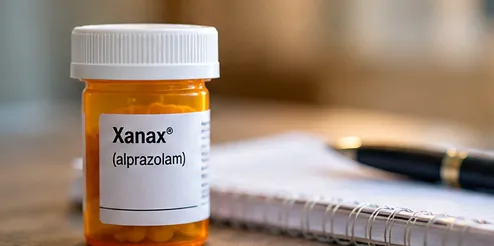
Xanax addiction, clinically described as a sedative, hypnotic, or anxiolytic use disorder, occurs when a person develops a pattern of compulsive alprazolam use despite harmful consequences. Xanax is a prescription benzodiazepine commonly used to treat anxiety and panic disorders. Although it can be effective when taken as prescribed, misuse and prolonged use can lead to physical dependence and addiction.
One important concern is withdrawal. When someone has developed physical dependence, suddenly stopping Xanax or reducing the dose too quickly can cause severe symptoms, including seizures. Recognizing the warning signs and seeking medical guidance are important steps toward safer treatment and recovery.
Key Highlights
- Physical Dependence: Regular Xanax use can lead to physical dependence, sometimes even when the medication is taken as prescribed.
- Overdose Risks: Combining Xanax with opioids, alcohol, or other sedatives can dangerously suppress breathing.
- Withdrawal Dangers: Abruptly stopping Xanax after physical dependence develops can cause severe withdrawal, including potentially life-threatening seizures.
- Medical Supervision: A gradual, individualized taper under medical supervision can reduce withdrawal risks.
- Recovery Support: Treatment may combine medical care, behavioral therapies, and support for underlying anxiety or other mental health conditions.
What Is Xanax and Why Can It Become Addictive?
Xanax is the brand name for alprazolam, a prescription medication belonging to the benzodiazepine class. It is commonly prescribed for anxiety and panic disorders. Alprazolam enhances the activity of gamma-aminobutyric acid (GABA), a neurotransmitter that reduces activity in the central nervous system and produces a calming effect.
Benzodiazepines can cause physical dependence with regular use. The body adapts to the medication, and a person may experience withdrawal symptoms when the dose is reduced or stopped. The likelihood of dependence and the severity of withdrawal can vary according to dose, frequency, duration of use, and individual health factors.
Physical dependence is not automatically the same as addiction. Addiction, or a substance use disorder, involves a pattern of compulsive use, difficulty controlling use, and continued use despite harmful consequences. A person can become physically dependent while taking medication as prescribed without necessarily having an addiction.
Learn more from the National Institute on Drug Abuse (NIDA) information about benzodiazepines and opioids.
Submit Your Listing to Our Rehab Directory
Sober Nation is one of the nation’s leading recovery resources, dedicated to helping people struggling with substance abuse disorder find treatment options that can get them on a path to sobriety.
To get listed in our directory, please fill out the contact form below.
Signs of Xanax Addiction
Recognizing a possible sedative use disorder involves looking at physical changes, behavioral patterns, and psychological symptoms. Because Xanax is a prescription medication, warning signs may initially be mistaken for ordinary medication effects or symptoms of anxiety.
Physical and Cognitive Signs
- Frequent drowsiness, lethargy, or unusual sleepiness.
- Slurred speech or poor physical coordination.
- Memory problems, confusion, or difficulty concentrating.
- Dizziness, lightheadedness, or blurred vision.
- Tremors, restlessness, or rebound anxiety as medication effects wear off.
- Difficulty functioning without taking the medication.
Behavioral and Psychological Signs
- Taking larger doses or using Xanax more frequently than prescribed.
- Requesting early refills or repeatedly reporting lost medication.
- Seeking prescriptions from multiple providers without coordinating care.
- Using Xanax without a prescription or taking medication prescribed to someone else.
- Spending substantial time obtaining, using, or recovering from the medication.
- Withdrawing from family, hobbies, work, or school responsibilities.
- Continuing to use Xanax despite memory problems, accidents, or relationship difficulties.
These signs do not automatically establish an addiction. Other medical conditions and medication effects can cause similar symptoms. A qualified healthcare professional can assess the situation and recommend appropriate care.
Health Risks and Overdose Dangers
Long-term or high-dose Xanax use can affect alertness, memory, coordination, and daily functioning. Some people experience persistent cognitive difficulties, excessive sedation, or an increased risk of falls and accidents.

One of the most serious risks involves combining Xanax with other substances that slow the central nervous system. Taking benzodiazepines with opioids, alcohol, or other sedatives can increase the risk of profound sedation, respiratory depression, coma, and death.
The Centers for Disease Control and Prevention (CDC) explains the dangers associated with overdoses involving multiple substances. The U.S. Food and Drug Administration (FDA) has also required boxed warnings addressing benzodiazepine misuse, addiction, physical dependence, and withdrawal reactions.
Warning Signs of a Xanax Overdose
A suspected overdose is a medical emergency. Seek emergency medical assistance immediately if someone experiences:
- Extreme drowsiness or inability to wake up.
- Slow, shallow, or stopped breathing.
- Severe confusion or loss of coordination.
- Unresponsiveness or loss of consciousness.
- Bluish or grayish lips or skin, which may indicate inadequate oxygen.
Do not assume that someone can simply sleep off a suspected overdose. Get emergency medical help immediately.
Understanding Xanax Withdrawal
Xanax withdrawal can be medically dangerous, particularly for people who have developed physical dependence after regular use. Stopping alprazolam suddenly or reducing the dose too quickly can cause the nervous system to become overactive.
Withdrawal symptoms may include:
- Severe anxiety or panic symptoms.
- Insomnia and sleep disturbances.
- Sweating, tremors, and restlessness.
- Rapid heartbeat and increased blood pressure.
- Nausea, muscle tension, or muscle spasms.
- Sensitivity to light, sound, or other sensations.
- Difficulty concentrating or feeling unusually agitated.
Severe withdrawal can involve hallucinations, delirium, and seizures. These complications can be life-threatening and require urgent medical care.
How Long Does Xanax Withdrawal Last?
There is no single withdrawal timeline that applies to everyone. Symptoms may begin relatively soon after the last dose because alprazolam is a relatively short-acting benzodiazepine. The timing and intensity depend on factors such as the dose, duration of use, individual metabolism, other medications, and overall health.
Some people experience early symptoms such as anxiety, insomnia, or restlessness. Symptoms may become more intense over the following days, while other people experience a more gradual course. Some symptoms, including sleep difficulties and anxiety, can persist beyond the initial withdrawal period.
Because withdrawal can be unpredictable and potentially dangerous, people who have been taking Xanax regularly should speak with a qualified healthcare professional before reducing or stopping it.
Why You Should Not Stop Xanax Suddenly
Suddenly stopping Xanax after physical dependence has developed can cause serious complications, including seizures. A healthcare professional can assess the person's medical history and determine an appropriate tapering plan.
Seek urgent medical help if withdrawal symptoms include seizures, hallucinations, severe confusion, or other serious changes in mental or physical health. Do not attempt to manage severe withdrawal symptoms alone.
Safe Treatment Options for Xanax Addiction
Effective treatment addresses both physical dependence and the factors contributing to problematic medication use. The appropriate approach depends on the person's medication history, dose, withdrawal risk, physical health, and co-occurring mental health conditions.
Treatment may include medically supervised dose reduction, appropriate monitoring, behavioral therapy, and ongoing support. The Substance Abuse and Mental Health Services Administration (SAMHSA) provides information and referral support for people seeking substance use treatment.
1. Medically Supervised Tapering
For people who have developed physical dependence, a gradual and individualized dose reduction is generally safer than abruptly stopping Xanax. A qualified clinician can develop a tapering schedule based on the person's circumstances and monitor for withdrawal symptoms.
In some cases, a clinician may consider transitioning a patient to a longer-acting benzodiazepine before continuing a taper. This is not appropriate for everyone and should only be considered by a qualified prescriber.
There is no universal tapering schedule. The process may take weeks or months, and the plan may need to be adjusted according to symptoms and clinical response. Never attempt to create or follow a tapering schedule without medical guidance.
2. Inpatient and Residential Treatment
Some people need a highly structured treatment environment, particularly when they have significant withdrawal risks, a history of withdrawal seizures, high-dose use, polysubstance use, or serious co-occurring medical or psychiatric conditions.
Hospital-based or specialized inpatient care can provide close medical monitoring and support. Residential rehabilitation may also help individuals address substance use patterns and develop recovery skills after acute medical needs have been assessed.
3. Outpatient Treatment Programs

Outpatient care may be suitable for people whose medical and withdrawal risks can be safely managed outside a hospital or residential setting. Treatment may involve scheduled medical appointments, therapy sessions, and ongoing monitoring.
Intensive outpatient programs provide more frequent structured support than standard outpatient care. The appropriate level of care should be determined through an individual clinical assessment.
4. Evidence-Based Behavioral Therapies
Behavioral therapies can help people understand the patterns contributing to medication misuse and develop healthier ways to manage anxiety, stress, and other triggers.
- Cognitive Behavioral Therapy (CBT): Helps individuals identify unhelpful thought patterns, manage anxiety, and develop practical coping strategies.
- Treatment for Co-Occurring Conditions: People who use Xanax to manage anxiety or panic symptoms may benefit from treatment that addresses both their mental health condition and substance use concerns.
- Peer Support: Recovery communities and mutual-aid groups can provide connection, encouragement, and ongoing support.
Comparing Xanax Treatment Settings
Different treatment settings offer different levels of medical and therapeutic support. The safest choice depends on an individual's withdrawal risk, health needs, and living circumstances.
| Treatment Level | Medical Support | Living Arrangement | Potential Role |
|---|---|---|---|
| Hospital-Based Care | Close medical monitoring and treatment of serious complications. | Hospital setting. | People with severe withdrawal symptoms, seizures, or urgent medical or psychiatric concerns. |
| Residential Treatment | Structured clinical support, with medical services depending on the facility. | On-site residential facility. | People who need a structured recovery environment and ongoing treatment support. |
| Intensive Outpatient Treatment | Scheduled clinical appointments and structured therapy. | Home or another suitable living arrangement. | People whose medical needs can be safely managed outside an inpatient setting. |
| Standard Outpatient Treatment | Periodic medical and therapy appointments. | Home. | People who can safely participate in ongoing care while maintaining daily responsibilities. |
Not every treatment facility provides medically supervised benzodiazepine withdrawal care. Confirm that the provider has the appropriate clinical capabilities before choosing a program.
Frequently Asked Questions
Can you die from Xanax withdrawal?
Severe benzodiazepine withdrawal can be life-threatening. Abruptly stopping Xanax after physical dependence develops can cause seizures and other serious complications. Medical supervision and an individualized tapering plan can reduce these risks.
How long does it take to become dependent on Xanax?
The likelihood of physical dependence varies according to dose, frequency, duration of use, and individual factors. It can develop after regular use, including use at prescribed doses. There is no fixed timeline that applies to everyone.
What is the safest way to stop taking Xanax?
The safest approach for someone who has developed physical dependence is to work with a qualified healthcare professional on an individualized tapering plan. Never stop taking alprazolam suddenly or change the dose without medical guidance.
Does Xanax addiction always require inpatient rehabilitation?
No. Treatment needs vary. Some people may receive appropriate care through outpatient services, while others need hospital-based or residential support because of severe withdrawal risks, other substance use, or complex health conditions. A clinical assessment can help determine the safest level of care.
How long does Xanax stay in your system?
Alprazolam has an average elimination half-life of approximately 11 hours in healthy adults, although this varies. The time it takes to clear from the body depends on factors such as age, liver function, dosage, and other individual characteristics. Drug detection windows also vary by test type.
Can anxiety be treated without benzodiazepines during recovery?
Yes. Depending on the person's diagnosis and medical history, treatment options may include psychotherapy, Cognitive Behavioral Therapy, and certain non-benzodiazepine medications. A healthcare professional can help identify appropriate options and monitor treatment.
Moving Forward Safely
Xanax dependence and addiction can develop while someone is trying to manage anxiety or panic symptoms. Recognizing the difference between physical dependence and addiction can help reduce stigma and encourage people to seek appropriate care.
Because benzodiazepine withdrawal can be dangerous, stopping Xanax should never be treated as a do-it-yourself process when physical dependence may be present. Medical supervision, an individualized tapering plan, and evidence-based therapy can help people move toward safer and more sustainable recovery.
If you or someone you care about is struggling with Xanax use, speak with a qualified healthcare provider or addiction specialist. In the United States, SAMHSA's National Helpline is available at 1-800-662-HELP (4357) for confidential treatment referrals and information.
Submit Your Listing to Our Rehab Directory
Want to add your rehab or treatment center to the SoberNation directory? Call (866) 207-7436 to get started.
Sources
- National Institute on Drug Abuse (NIDA): Benzodiazepines and Opioids
- U.S. Food and Drug Administration (FDA): FDA Boxed Warning for Benzodiazepines
- Centers for Disease Control and Prevention (CDC): Polysubstance Overdose
- Substance Abuse and Mental Health Services Administration (SAMHSA): National Helpline
About the author
Tim Stoddart
Spiritual gangster. I love dogs, music and the blank page. Grateful to be sober. Join my mailing list for TimStodz and join my Facebook Page.
Benzo recovery stories
In their own words, from people in the Sober Nation community.
Before
Deciding to choose a life of sobriety is one of the greatest decisions I will ever make.
Today
“I feel amazing two months clean and I'm on the right path, my family and I are on great terms now, I have an absolutely beautiful life, and although that inner addict is still…”
Christopher J. · 8 years sober
Read Christopher’s storyBefore
I grew up in a household woth my mother & farher drinking heavy, taking pills and smoking weed,so as I was growing up I thought it was…
Today
“So I got out of rehab, I got a home group at AA meeting, started cheering meetings once a week, I got a big book and started working steps with my sponsor, he was giving me chapter…”
John · 15 years sober
Read John’s storyBefore
When I was younger I always felt different. A bundle of depression and anxiety. I started cutting when I was 11, depression got worse.
Today
“Life is amazing now. I still struggle with my anxiety and depression but I have better tools to deal with it now.”
Kayla-Lee · 9 years sober
Read Kayla-Lee’s storyReady to take the next step?
Recovery starts with finding the right treatment. Browse rehab centers, detox programs, and sober living homes in our nationwide directory.
Choose your next step
Keep reading, with a purpose
Related Articles

Different Types of Addictions - More Than Just Drugs

Quitting Cigarettes: Smoking Habits, Health, and Support

Your First Year in Recovery: What to Expect

Adderall Addiction: Signs, Risks, and Treatment Options
Meth Addiction: Signs, Effects, Withdrawal, and Treatment
Benzodiazepine Withdrawal: Why It Requires Medical Supervision
Leave a Reply
Your email address will not be published. Required fields are marked *