La Esperanza Health Counseling Servs
Seattle, WA
- IOP
Substance use treatment · Does not treat opioid addiction · Cognitive behavioral therapy
Accepts: Cash or self-payment


Find a free or private addiction rehab center in Washington. Use our search-by-city tool to find recovery near you.
420 centers found (381–400)
Centers must offer every checked Level of Care. Other categories match any checked option within each category.
Seattle, WA
Substance use treatment · Does not treat opioid addiction · Cognitive behavioral therapy
Accepts: Cash or self-payment
Auburn, WA
Substance use treatment · Does not treat opioid addiction · Cognitive behavioral therapy
Accepts: Cash or self-payment, Sliding fee scale, Payment assistance
Raymond, WA
Substance use treatment · Accepts clients on opioid medication but prescribed elsewhere · Cognitive behavioral therapy
Accepts: Cash or self-payment, Medicaid, State-financed health insurance plan other than Medicaid
Sedro Woolley, WA
Substance use treatment · Does not treat opioid addiction · Cognitive behavioral therapy
Accepts: Cash or self-payment, State-financed health insurance plan other than Medicaid, Private health insurance
Inchelium, WA
Substance use treatment · Accepts clients on opioid medication but prescribed elsewhere · Cognitive behavioral therapy
Accepts: Payment assistance
Tacoma, WA
Substance use treatment · Does not treat opioid addiction · Cognitive behavioral therapy
Accepts: Cash or self-payment, Medicaid, State-financed health insurance plan other than Medicaid

Chehalis, WA
Substance use treatment · Does not treat opioid addiction · Cognitive behavioral therapy
Accepts: Cash or self-payment, Medicaid, Private health insurance
Snohomish, WA
Substance use treatment · Accepts clients on opioid medication but prescribed elsewhere · Cognitive behavioral therapy
Accepts: Cash or self-payment
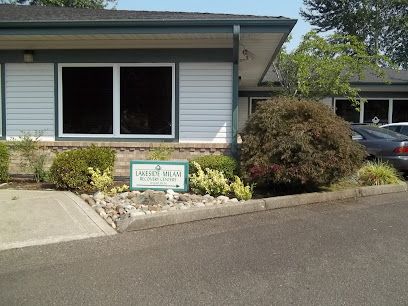
Auburn, WA
Substance use treatment · Accepts clients on opioid medication but prescribed elsewhere · Cognitive behavioral therapy
Accepts: Cash or self-payment, Private health insurance, Military insurance
Edmonds, WA
Substance use treatment · Accepts clients on opioid medication but prescribed elsewhere · Cognitive behavioral therapy
Accepts: Cash or self-payment, Private health insurance, Military insurance
Everett, WA
Substance use treatment · Accepts clients on opioid medication but prescribed elsewhere · Cognitive behavioral therapy
Accepts: Cash or self-payment, Private health insurance, Military insurance
Issaquah, WA
Substance use treatment · Accepts clients on opioid medication but prescribed elsewhere · Cognitive behavioral therapy
Accepts: Cash or self-payment, Private health insurance, Military insurance
Kirkland, WA
Substance use treatment · Accepts clients on opioid medication but prescribed elsewhere · Cognitive behavioral therapy
Accepts: Cash or self-payment, Private health insurance, Military insurance
Puyallup, WA
Substance use treatment · Accepts clients on opioid medication but prescribed elsewhere · Cognitive behavioral therapy
Accepts: Cash or self-payment, Private health insurance, Military insurance
Renton, WA
Substance use treatment · Accepts clients on opioid medication but prescribed elsewhere · Cognitive behavioral therapy
Accepts: Cash or self-payment, Private health insurance, Military insurance
Seattle, WA
Substance use treatment · Accepts clients on opioid medication but prescribed elsewhere · Cognitive behavioral therapy
Accepts: Cash or self-payment, Private health insurance, Military insurance
Burlington, WA
Substance use treatment · Smoking permitted without restriction · Co-occurring mental and substance use disorders
Accepts: Cash or self-payment, Medicare, Private health insurance
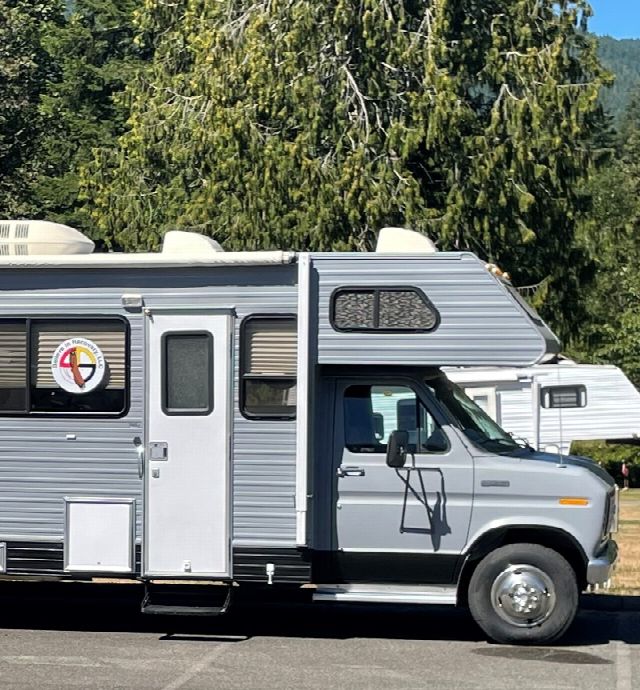
Port Townsend, WA
Substance use treatment · Accepts clients on opioid medication but prescribed elsewhere · Dialectical behavior therapy
Accepts: Cash or self-payment, Medicaid, State-financed health insurance plan other than Medicaid
Shelton, WA
Substance use treatment · Does not treat opioid addiction · Cognitive behavioral therapy
Accepts: Cash or self-payment, Medicaid, Private health insurance
Tacoma, WA
Substance use treatment · Does not treat opioid addiction · Cognitive behavioral therapy
Accepts: Cash or self-payment, Medicaid, Private health insurance
Looking for medication treatment for opioid addiction? See methadone clinics in Washington.
To receive immediate placement help from a treatment representative, call the sponsored hotline — available 24/7.
Sober Nation currently lists 438 treatment centers across Washington, and the way they cluster tells you a lot about access. Seattle alone accounts for 56 listed centers, followed by Spokane with 40 and Tacoma with 24. Mid-sized cities fill out the rest of the top tier: Yakima and Vancouver each list 16, Olympia 15, and Everett 13, while Bellevue and Bellingham each list 12 and Auburn rounds it out at 10. That distribution mirrors the state's population split, heavy on the Puget Sound side and thinner across the agricultural and mountain communities to the east and south. Because so many centers concentrate in a handful of metros, rural residents often face the longest travel and the fewest same-week openings.
Statewide prevalence and overdose figures give that count context. About 18% of Washington residents aged 12 and older meet the criteria for a substance use disorder in the past year (SAMHSA NSDUH, 2022–2023), and roughly three in four who need treatment do not receive it (about 75%; SAMHSA NSDUH, 2022–2023). Overdose deaths, driven overwhelmingly by fentanyl, rose steeply through 2023 — Washington's surge arrived later than in much of the country — before falling for the first time in years in 2024, when the state recorded about 3,145 drug-overdose deaths, an age-adjusted rate of 37.6 per 100,000 that remains among the nation's highest (CDC, National Center for Health Statistics; Washington State Department of Health). Those trends are why bed availability and wait times deserve as much of your attention as a center's location.
The mix of services in Washington points most people toward community-based care rather than inpatient stays, so it helps to know what each level involves before you decide where to begin.
Most people begin with a professional assessment that recommends a level of care based on the severity of use, medical needs, and support at home. If detox or a residential bed is what you need, expect to call ahead and ask about waitlists, since those are the tightest resources in the state.
How you will pay is often the first hurdle, and in Washington the numbers lean toward public coverage. Of the centers listed here, 79% accept Medicaid — the state administers its program under the name Apple Health — and 26% accept Medicare. That high Medicaid-acceptance rate reflects Washington's decision to expand eligibility under the Affordable Care Act, which took full effect in 2014 and extended coverage to many low-income adults who previously had none (Washington State Health Care Authority). Federal and state mental-health parity laws also require most health plans to cover substance use treatment comparably to other medical care, though what counts as comparable can be worth questioning (federal Mental Health Parity and Addiction Equity Act; CMS).
If you are uninsured or underinsured, ask centers directly about sliding-scale fees, state-funded treatment slots, and payment plans, since availability varies widely from one provider to the next (Washington State Health Care Authority, Division of Behavioral Health and Recovery). Keep in mind that a center accepting Medicaid does not guarantee an open slot for your specific plan, so verify network status when you call. Before you commit, confirm in writing what your plan approves: deductibles, length of stay, and which levels of care are covered. You are your own best advocate here.
Compare payment options, including sliding-scale fees and Medicaid: free and low-cost rehab centers in Washington.
A few Washington-specific resources are worth saving before you start calling treatment centers. The state's SAMHSA-designated Single State Agency for behavioral health is the Washington State Health Care Authority, working through its Division of Behavioral Health and Recovery, which oversees publicly funded treatment and can point you toward covered services. NAMI Washington, the state chapter of the National Alliance on Mental Illness, offers free education, peer support groups, and family resources, which help when a mental health condition sits alongside substance use. The Washington Recovery Help Line (1-866-789-1511) provides 24/7 confidential support and referrals for residents anywhere in the state. Nationwide, you can reach the 988 Suicide and Crisis Lifeline by call or text at 988 at any hour for immediate help during a mental health or substance-use crisis. If you are unsure where to begin, the help line is often the fastest way to reach a live person who knows local openings. Program eligibility and hours change, so confirm details directly with each organization.
Speak with a treatment representative about programs across Washington.
Finding treatment is a personal decision. We help you compare options, explain how advertising works on our site, and give you a way to flag information that needs updating.
Facility listings show contact details so you can ask a center about its services, availability and costs.
Our listing standardsFeatured listings and the sponsored helpline are advertising. A paid placement is not a clinical recommendation.
About advertisingPrograms and availability can change. Confirm licensing, services and insurance coverage directly with a facility before choosing care.
How listings workSee an outdated phone number or a closed facility? Let us know. Facility representatives can also request access to update their listing.
Report a correction