16 Drug & Alcohol Rehabs In Vancouver, WA

Find drug and alcohol rehab centers in Vancouver, WA and start your recovery today.

Drug and alcohol rehab centers in Vancouver, WA

16 centers found (1–16)

0.5 mi
2.9 mi
2.9 mi
3.9 mi
1.3 mi
4.3 mi
3.2 mi

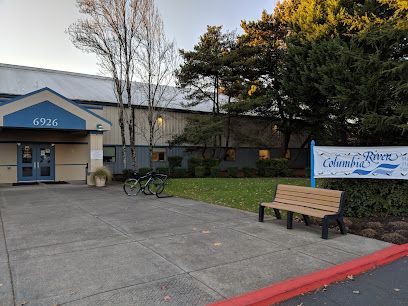
Columbia Treatment Services

Vancouver, WA

  • IOP

Substance use treatment · Accepts clients on opioid medication but prescribed elsewhere · Cognitive behavioral therapy

Accepts: Cash or self-payment, State-financed health insurance plan other than Medicaid, Private health insurance

3.2 mi
1.6 mi
3.6 mi
Serenity Lane Vancouver facility photo0.8 mi

Serenity Lane Vancouver

Vancouver, WA

  • IOP

Substance use treatment · Accepts clients on opioid medication but prescribed elsewhere · Cognitive behavioral therapy

Accepts: Cash or self-payment, Medicaid, Private health insurance

0.8 mi
3.3 mi
2.7 mi
3.7 mi
0.5 mi
2.6 mi
2.6 mi

Do you need help finding rehab in Vancouver, WA?

Call our sponsored hotline to speak with someone about treatment options near you.

Sober Nation lists 16 treatment centers in Vancouver, the seat of Clark County and the largest city in Southwest Washington. Vancouver sits on the north bank of the Columbia River, directly across the water from Portland, Oregon — the two cities are joined by the Interstate 5 and Interstate 205 bridges and share one large metro area, even though they sit in different states with different rules for coverage and licensing. (This is Vancouver, Washington, not Vancouver, British Columbia.) That location shapes your options: 16 programs sit inside the city itself, and a much larger set of Oregon programs sits a short drive across the river. This page is a practical guide to what those 16 Vancouver programs actually offer — the levels of care, how people pay, and where to look nearby when the right fit is across the river or up I-5.

Levels of Care in Vancouver

Vancouver's listed programs are built on outpatient care and counseling. 15 centers offer outpatient treatment and 14 provide regular (standard) outpatient services — scheduled sessions you attend while continuing to live at home, a practical starting point for many people balancing work, school, or family. A step up, 13 centers run intensive outpatient programs (IOP), which add more hours and structure each week. If you need something firmer than weekly visits, ask each center whether an IOP track is open.

The clinical care behind those programs is consistent across the city. All 16 centers provide a comprehensive substance use assessment and screening for substance use, along with drug or alcohol urine screening — the intake steps that match you to the right intensity of care. From there, common offerings include substance abuse counseling (16 centers), individual counseling (15), group counseling (15), motivational interviewing (14), cognitive behavioral therapy, or CBT (13), 12-step facilitation (13), and trauma-related counseling (12). 13 centers also screen for mental disorders, which matters for a co-occurring condition. Support is built to continue past discharge: all 16 centers provide relapse prevention, aftercare or continuing care, and discharge planning, and 13 offer case management.

On program setting, all 16 listed centers serve people of any gender; our data shows no men-only or women-only programs here. If a gender-specific environment matters to your recovery, confirm that with the listing directly. One caveat about the data: Vancouver's listings are strongest on outpatient care, counseling, and assessment, and they do not spell out medically supervised detox, residential or inpatient beds, or sober living. On medication specifically, 15 centers report no formal relationship with a prescribing entity, which signals that on-site medication-assisted treatment (MAT) — buprenorphine, methadone, or naltrexone — is limited across these listings. If you need detox, a residential bed, MAT, or a sober-living placement, confirm it with the center by phone before you count on it.

Paying for Rehab in Vancouver

Cost is usually the first real question. Among Vancouver's listings, 15 centers accept cash or self-payment and 15 accept private health insurance, while 14 report a relationship with Washington's state substance abuse agency — a category that often signals publicly funded or sliding-scale pathways for people without private coverage. Private plans and in-network status vary widely, so verify your specific coverage with the center directly before your first visit rather than assuming. If cost is the obstacle, ask each program about self-pay rates, sliding-scale fees tied to income, and payment plans; non-profit and publicly funded clinics will usually walk you through the options over the phone.

11 centers accept Medicaid. In Washington, Medicaid is called Apple Health, and it covers substance use treatment for eligible residents — a realistic path for a large share of people in Clark County. One important note for a border city: Washington Apple Health and Oregon's Medicaid are separate programs, so where you live and where you enroll determine what is covered. Eligibility rules and covered services change over time and belong at the state level, so rather than guess here, see our Washington rehab guide for how Apple Health works and what other statewide programs exist.

Traveling for Treatment and Nearby Options

Sometimes the right program is not in the city itself. A bed opens sooner nearby, a specialized track fits better, or a little distance from familiar surroundings helps in early recovery. Vancouver's setting gives you an unusual number of options within easy reach.

The most obvious is right across the river: Portland, Oregon lists 49 treatment centers, most of them a short drive over the I-5 or I-205 bridge. Because Portland is in another state, coverage and licensing differ — Oregon's Medicaid is the Oregon Health Plan, not Apple Health — so confirm those details before you commit. Within Washington, nearby cities with listed programs include Olympia (15 centers) and Tacoma (24) up I-5, Seattle (56) at the top of Puget Sound, Everett (13) beyond it, Yakima (16) east over the Cascades, and Spokane (40) on the far eastern side of the state. Where travel is hard or you are waiting for an in-person spot to open, ask whether a program offers telehealth counseling, which can keep momentum going across the river or across the state. To browse every option statewide, start with our Washington rehab guide.

Frequently Asked Questions

How many rehabs are in Vancouver, Washington?

Sober Nation lists 16 treatment centers in Vancouver, Washington (in Clark County, across the Columbia River from Portland, Oregon — not Vancouver, British Columbia). Most are built around outpatient care and counseling, with comprehensive assessment, individual and group counseling, CBT, motivational interviewing, relapse prevention, trauma-related counseling, and aftercare. All 16 serve people of any gender; if you need a gender-specific program, confirm with the listing directly.

Does Apple Health (Medicaid) cover rehab in Vancouver?

Washington's Medicaid program, Apple Health, covers substance use treatment for eligible residents, and 11 of the Vancouver centers we list accept Medicaid. Because Vancouver sits on the Oregon border, remember that Washington Apple Health and Oregon's Medicaid are separate programs. Whether a specific service is covered for you depends on your plan and the center, so confirm directly before starting. For how Apple Health works and how to check eligibility, see our Washington rehab guide.

Can I get treatment in Portland if I live in Vancouver?

Often, yes — Portland, Oregon is right across the Columbia River and lists 49 treatment centers, many a short drive over the I-5 or I-205 bridge. Keep in mind that Oregon and Washington run separate Medicaid programs and license providers separately, so check coverage and admission rules before you commit. If you or someone you love is in immediate crisis, call or text 988 for free, confidential support any time.

Sources

  1. 1.Washington Medicaid (Apple Health) coverage, statewide treatment programs, and state-level context /rehab/washington
  2. 2.Find licensed, SAMHSA-verified treatment nationwide https://findtreatment.gov/
  3. 3.988 Suicide & Crisis Lifeline — free, confidential, 24/7 support https://988lifeline.org/