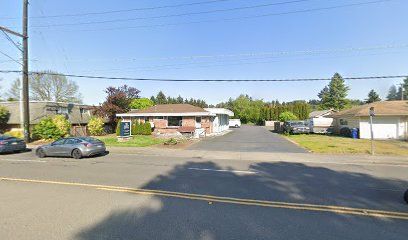
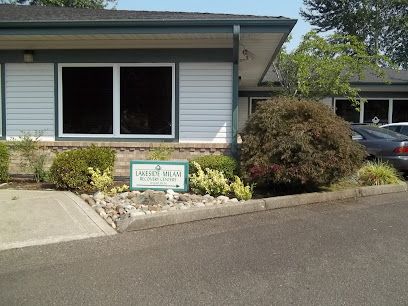
Auburn has 10 licensed treatment centers offering substance use counseling and recovery services. Located in King County on the outskirts of the Seattle metro area, Auburn serves residents throughout the Puget Sound region and provides access to both local and nearby resources. Whether you're seeking outpatient counseling, intensive day treatment, or support programs, finding the right fit starts here.
Levels of Care in Auburn
Auburn's 10 treatment centers focus on evidence-based outpatient and counseling approaches. Here's what's available:
Outpatient Treatment: All 10 centers offer regular outpatient treatment, with 8 providing intensive outpatient (IOP) programs for those needing more structured support while maintaining work, school, or family commitments.
Counseling & Therapy: 9 centers offer cognitive behavioral therapy (CBT), a research-backed approach to addiction recovery. Individual counseling is available at 9 locations, and group counseling at 9 locations, allowing you to work with a therapist one-on-one or alongside peers in recovery.
Assessment & Relapse Prevention: All 10 centers conduct comprehensive substance use assessments and provide relapse prevention counseling to help identify triggers and build coping strategies.
Support Services: 8 centers offer case management, mentoring and peer support programs, and family counseling—recognizing that recovery involves the people closest to you.
Residential or Inpatient Care: If you need 24-hour medical supervision or detoxification, confirm availability with individual listings, as this level of care may require travel to nearby Tacoma or Seattle.
Medication-Assisted Treatment: Confirm with the listing whether buprenorphine, methadone, or naltrexone programs are available locally.
All 10 centers accept both men and women, ensuring inclusive access regardless of gender.
Paying for Rehab in Auburn
Treatment costs vary depending on the program and your insurance. Here's what Auburn centers accept:
Private Insurance: 9 of Auburn's 10 centers accept private health insurance, often covering a portion or all of the cost.
Cash or Self-Payment: 8 centers accept cash or self-payment, with some offering sliding scale fees based on income.
State Programs: 8 centers work with Washington's Department of Health's Substance Abuse agency, which administers Medicaid and state-funded treatment slots.
For comprehensive information about Medicaid coverage, state funding, and Washington-specific programs, visit the Washington rehab guide. If cost is a barrier, ask your provider about low-cost or free community resources—many exist in the Puget Sound area.
Traveling for Treatment and Nearby Options
If Auburn's 10 centers don't meet your needs, larger cities nearby offer additional options. Many treatment programs are within an hour's drive:
Seattle has 56 treatment centers—the largest resource in the region, 30 miles north.
Tacoma offers 24 centers, about 35 miles south, including residential and specialized programs.
Vancouver (16 centers) and Yakima (16 centers) provide alternatives if you're on the outskirts of the metro area.
Spokane (40 centers) serves eastern Washington and offers a wider range of care levels for those willing to travel.
Olympia (15 centers) serves the capital region and southwest communities.
If travel or scheduling is difficult, ask whether your chosen center offers telehealth sessions.
Frequently Asked Questions
How do I start treatment at one of Auburn's 10 centers?+
Contact the center directly to schedule an intake appointment. During your first visit, you'll complete an assessment to determine the right level of care—outpatient or intensive outpatient—and any additional support services. Be prepared to discuss your substance use history, any co-occurring mental health concerns, and your insurance or ability to pay.
Do Auburn's centers treat co-occurring mental health conditions?+
Yes. 8 of the 10 centers screen for mental health disorders, and many offer family counseling and case management that addresses both addiction and underlying mental health needs. Ask your provider about trauma-informed care, which is increasingly available at quality treatment centers.
If I need residential or medical detox, what are my options?+
Auburn's 10 centers specialize in outpatient and counseling services. For medical detox or inpatient residential care, you may need to travel to Tacoma (24 centers) or Seattle (56 centers), both within an hour's drive. Call the center nearest you—many can help coordinate a referral if needed.
Sources
1.Washington statewide Medicaid, overdose context, and state programs /rehab/washington/
Finding treatment is a personal decision. We help you compare options, explain how advertising works on our site, and give you a way to flag information that needs updating.
Know who you’re contacting
Facility listings show contact details so you can ask a center about its services, availability and costs.


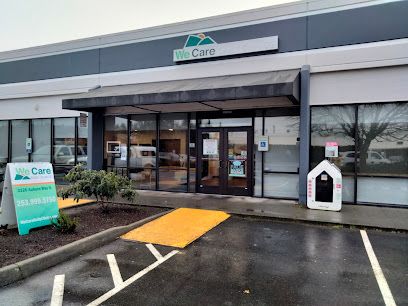 2 mi
2 mi