
Can Addiction Be Cured? Understanding Recovery and Remission
Can addiction be cured? Learn how addiction is treated, what remission means, and which evidence-based approaches can support long-term recovery.
By Tim StoddartOct 14, 2026Addiction Treatment

In this article
- Key Highlights
- Understanding Addiction as a Treatable Health Condition
- The Difference Between a Cure and Remission
- Submit Your Listing to Our Rehab Directory
- Understanding Addiction Alongside Other Chronic Conditions
- Evidence-Based Pathways to Recovery
- Behavioral Therapies
- Medication and Medical Care
- Treatment for Co-Occurring Mental Health Conditions
- Peer Support and Recovery Communities
- Submit Your Listing to Our Rehab Directory
- Frequently Asked Questions
- Why do medical professionals distinguish between a cure and remission?
- What does remission mean in addiction recovery?
- Does returning to substance use mean treatment has failed?
- Can the brain improve after someone stops using substances?
- How long does addiction treatment take?
- Conclusion
- Sources
Can Addiction Be Cured? Understanding Recovery and Remission
When people ask whether addiction can be cured, the answer depends on what they mean by a cure. Substance use disorders are treatable health conditions, and many people achieve long-term recovery. Some experience sustained remission, meaning they no longer meet the diagnostic criteria for a substance use disorder. Others may need ongoing treatment or support to manage cravings and reduce the risk of returning to substance use.

Understanding addiction as a health condition rather than a moral failure can help people approach recovery with realistic expectations. With appropriate treatment, supportive relationships, and strategies tailored to individual needs, people can build healthy, fulfilling lives in recovery.
Key Highlights
- Addiction Is Treatable: Evidence-based treatment can help people reduce or stop substance use and improve their health and quality of life.
- Cure and Remission Are Different: Remission describes a period when a person no longer meets the diagnostic criteria for a substance use disorder.
- Recovery Is Individual: There is no single recovery timeline or treatment approach that works for everyone.
- Returning to Substance Use Does Not Mean Recovery Is Impossible: A return to use may indicate that the treatment plan needs reassessment or additional support.
- Ongoing Support Can Help: Behavioral therapy, appropriate medications, mental health care, and peer support can all contribute to recovery.
Understanding Addiction as a Treatable Health Condition
Direct answer: Addiction can be treated successfully, and many people achieve long-term recovery. However, there is no single treatment that guarantees a permanent cure for every person. Substance use disorders can affect brain processes related to reward, motivation, stress, and decision-making, which may make changing established patterns of substance use difficult.
The National Institute on Drug Abuse (NIDA) explains how repeated substance use can affect brain function and contribute to compulsive substance-seeking behavior. These effects vary depending on the substance, the pattern of use, and individual circumstances.
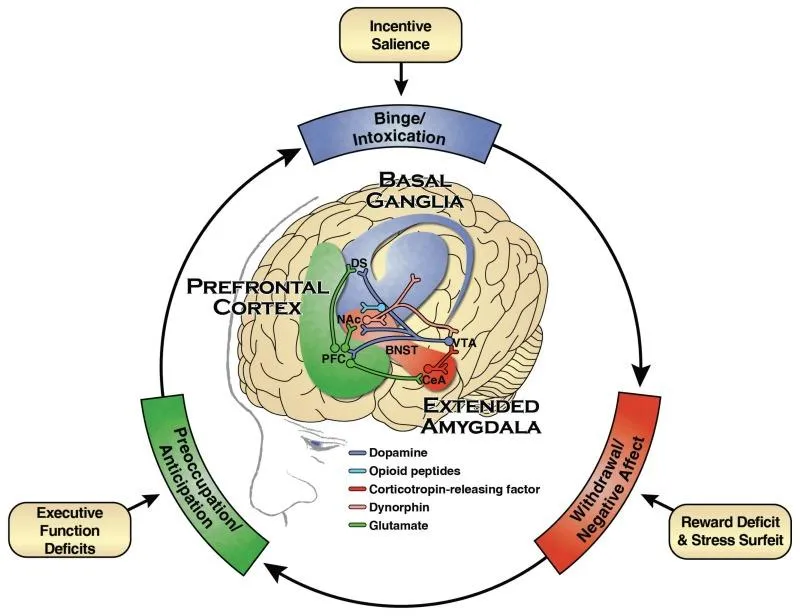
Understanding addiction as a health condition can help reduce stigma and shift attention toward practical solutions. Instead of viewing recovery as a test of character, people can work with qualified professionals to identify treatment options, address related health concerns, and develop strategies for managing cravings and triggers.
The practical takeaway is that recovery should be approached as an individualized process. Progress may involve treatment, lifestyle changes, social support, and continued attention to physical and mental health.
The Difference Between a Cure and Remission
In medicine, a cure generally means that a disease has been eliminated or resolved. Remission means that the signs and symptoms of a condition have substantially decreased or are no longer present according to the relevant clinical criteria. The distinction is important when discussing substance use disorders.
Clinical diagnostic frameworks such as the Diagnostic and Statistical Manual of Mental Disorders, Fifth Edition (DSM-5) use remission specifiers for substance use disorders:
- Early Remission: A person has not met the diagnostic criteria for a substance use disorder, other than possible cravings, for at least three months but less than 12 months.
- Sustained Remission: A person has not met the diagnostic criteria, other than possible cravings, for 12 months or longer.
These terms describe clinical progress; they do not determine a person's worth or define every aspect of recovery. Someone may continue working on relationships, mental health, physical wellness, and personal goals while in remission.
It is also important to remember that recovery does not look the same for everyone. Some people benefit from continued professional treatment or peer support even after their symptoms improve. Ongoing support can be a positive part of maintaining health rather than a sign that treatment has failed.
Submit Your Listing to Our Rehab Directory
Sober Nation is one of the nation’s leading recovery resources, dedicated to helping people struggling with substance abuse disorder find treatment options that can get them on a path to sobriety.
To get listed in our directory, please fill out the contact form below.
Understanding Addiction Alongside Other Chronic Conditions
Comparisons between addiction and other long-term health conditions can help explain why ongoing care may be useful. Conditions such as asthma, diabetes, and hypertension may require continuing management, adjustments to treatment, and regular follow-up. Substance use disorders can also require changes in treatment as a person's needs evolve.
However, these conditions are not identical, and their outcomes should not be compared using statistics unless the data measure comparable things in similar populations.
| Condition | General Treatment Approach | Role of Ongoing Care |
|---|---|---|
| Substance Use Disorder | Behavioral therapies, appropriate medication, medical care, and peer support, depending on individual needs. | May help manage cravings, address triggers, support recovery, and respond to changing needs. |
| Type 1 Diabetes | Insulin therapy, blood glucose monitoring, and individualized diabetes care. | Helps manage blood glucose and reduce the risk of complications. |
| Hypertension | Lifestyle changes, prescribed medication when needed, and blood pressure monitoring. | Helps control blood pressure and manage cardiovascular risk. |
| Asthma | Prescribed medication, trigger management, and an individualized asthma action plan. | Helps control symptoms and respond to flare-ups. |
For addiction, a return to substance use may indicate that the current treatment approach needs reassessment. A healthcare professional can help identify possible triggers, review treatment options, and determine whether additional care is needed.
Evidence-Based Pathways to Recovery
Although there is no single treatment that works for everyone, a combination of appropriate interventions can help people manage substance use disorders and work toward lasting recovery. Treatment decisions should reflect the substance involved, the person's medical history, any co-occurring mental health conditions, and their goals.
The Substance Abuse and Mental Health Services Administration (SAMHSA) describes recovery as a process through which people improve their health and wellness, live self-directed lives, and work toward their full potential.
Because individual needs differ, treatment may involve professional clinical care, medication, behavioral therapy, peer support, or several approaches together.
Behavioral Therapies
Behavioral therapies can help people identify patterns associated with substance use, respond to cravings, and develop healthier ways of managing stress.
- Cognitive Behavioral Therapy (CBT): Helps people recognize unhelpful thought patterns and practice coping strategies for challenging situations.
- Motivational Interviewing: Helps people explore uncertainty about change and strengthen their own motivation to pursue recovery.
- Contingency Management: Uses structured incentives to reinforce specific treatment-related or recovery-related behaviors.
Medication and Medical Care
For some substance use disorders, medications can help manage withdrawal, reduce cravings, or support continued treatment. For example, medications are available for opioid use disorder and alcohol use disorder. The appropriate options depend on the person's health, treatment goals, and the substance involved.
Medical care may also be necessary when withdrawal could pose a health risk. Withdrawal from alcohol or benzodiazepines can be dangerous and may require medical supervision. People should consult a qualified healthcare professional before stopping these substances, particularly after prolonged or heavy use.

Treatment for Co-Occurring Mental Health Conditions
Some people experiencing a substance use disorder also have depression, anxiety, post-traumatic stress disorder, or other mental health concerns. Treating both substance use and related mental health conditions can be an important part of an individualized recovery plan.
A qualified professional can help determine whether integrated treatment, medication, psychotherapy, or additional services may be appropriate.
Peer Support and Recovery Communities
Peer support can provide connection, encouragement, accountability, and practical insight from people with shared experiences. Options include 12-step groups and non-12-step programs such as SMART Recovery.
Peer support can complement professional treatment, although the best combination of services depends on each person's circumstances and preferences.
Submit Your Listing to Our Rehab Directory
Want to add your rehab or treatment center to the SoberNation directory? Call (866) 207-7436 to get started.
Frequently Asked Questions
Why do medical professionals distinguish between a cure and remission?
The terms describe different outcomes. A cure generally means a condition has been resolved, while remission means that a person no longer meets the relevant diagnostic criteria during a specified period. In substance use disorders, remission can describe meaningful progress even when continued support remains beneficial.
What does remission mean in addiction recovery?
Remission means that a person no longer meets the diagnostic criteria for a substance use disorder during a defined period. Early remission generally refers to at least three months but less than 12 months without meeting the criteria, apart from possible cravings. Sustained remission refers to 12 months or longer.
Does returning to substance use mean treatment has failed?
No. A return to substance use does not mean recovery is impossible. It may signal that the person needs a reassessment of their treatment plan, additional support, or a different combination of services. If opioid use resumes after a period of abstinence, overdose risk can be particularly high because tolerance may have decreased.
Can the brain improve after someone stops using substances?
Brain function can change during recovery, and some difficulties associated with substance use may improve over time. The extent and pace of improvement vary depending on the substance, duration and pattern of use, overall health, and other circumstances. A healthcare professional can help assess ongoing symptoms and treatment needs.
How long does addiction treatment take?
There is no universal treatment duration. Some people benefit from a defined course of treatment, while others need continuing care or periodic support. The appropriate duration depends on individual needs, the substance involved, progress, and any co-occurring conditions.
Conclusion
Asking whether addiction can be cured is an understandable part of trying to make sense of recovery. Although no single treatment guarantees a permanent cure for everyone, substance use disorders are treatable, and many people achieve long-term recovery or remission.
Behavioral therapy, appropriate medications, mental health care, peer support, and ongoing follow-up can all play a role in recovery. Progress may not always be straightforward, but a return to substance use does not erase the work a person has done or mean that further improvement is impossible.
If you or someone you care about is struggling with substance use, a qualified healthcare professional can help identify suitable treatment options and develop a plan that reflects individual needs.
Sources
- National Institute on Drug Abuse (NIDA). Drugs, Brains, and Behavior: The Science of Addiction.
- Substance Abuse and Mental Health Services Administration (SAMHSA). Recovery and Recovery Support.
```
About the author
Tim Stoddart
Spiritual gangster. I love dogs, music and the blank page. Grateful to be sober. Join my mailing list for TimStodz and join my Facebook Page.
Ready to take the next step?
Recovery starts with finding the right treatment. Browse rehab centers, detox programs, and sober living homes in our nationwide directory.
Choose your next step
Keep reading, with a purpose
Leave a Reply
Your email address will not be published. Required fields are marked *