
What Is Cross-Addiction and Why Does It Matter in Recovery?
Learn what cross-addiction is, how addiction transfer happens in recovery, common triggers, and effective strategies to maintain long-term sobriety.
By Tim StoddartOct 28, 2026Addiction Treatment
In this article
- Key Highlights
- What Is Cross-Addiction?
- Submit Your Listing to Our Rehab Directory
- How Cross-Addiction Develops in Recovery
- Chemical and Behavioral Substitutions
- Cross-Tolerance vs. Cross-Addiction
- Why Cross-Addiction Matters in Recovery
- Comparing Addiction Concepts in Recovery
- Strategies to Prevent and Manage Cross-Addiction
- 1. Communicate Openly with Healthcare Professionals
- 2. Continue Therapy and Peer Support
- 3. Develop Healthy Coping Strategies
- 4. Practice Honest Self-Reflection
- Submit Your Listing to Our Rehab Directory
- Frequently Asked Questions
- Can cross-addiction involve non-substance activities?
- Is taking prescribed medication during recovery considered cross-addiction?
- Why might someone develop another problematic behavior after getting sober?
- How can I tell if a new habit is becoming a problem?
- What should I do if I think I am experiencing cross-addiction?
- Conclusion
- Sources
What Is Cross-Addiction and Why Does It Matter in Recovery?
Cross-addiction, often referred to as addiction transfer or substitute addiction, occurs when a person in recovery from one substance or compulsive behavior develops problematic use of another substance or behavior. For example, someone who stops drinking alcohol might begin misusing prescription sleep aids or develop a gambling problem. Understanding cross-addiction matters because replacing one harmful pattern with another can affect long-term recovery and emotional well-being.
Addiction involves complex interactions between brain function, behavior, mental health, and environmental factors. Stopping one substance does not automatically resolve every factor that contributed to problematic use. Recognizing potential changes in behavior can help individuals, families, and healthcare professionals build a more comprehensive recovery plan.

Key Highlights
- Core Definition: Cross-addiction describes a situation in which a person develops problematic use of a different substance or behavior while recovering from another addiction.
- Underlying Factors: Reward, motivation, learning, stress, and coping patterns may contribute to problematic substance use and compulsive behaviors.
- Possible Substitutes: Alcohol, prescription medications, nicotine, gambling, compulsive spending, and excessive work may become concerns for some people.
- Prevention Focus: Recovery can involve addressing emotional and psychological challenges, developing healthier coping strategies, and maintaining appropriate support.
What Is Cross-Addiction?
Direct Answer: Cross-addiction is a term used when someone recovering from one substance-related or compulsive behavior develops another problematic pattern of use or behavior. The new pattern may serve a similar purpose, such as coping with stress, avoiding difficult emotions, or seeking temporary relief.
Evidence: The National Institute on Drug Abuse (NIDA) explains how substance use disorders can affect brain circuits involved in reward, motivation, and self-control. These processes are part of the broader picture of addiction, although cross-addiction does not follow the same course for everyone.
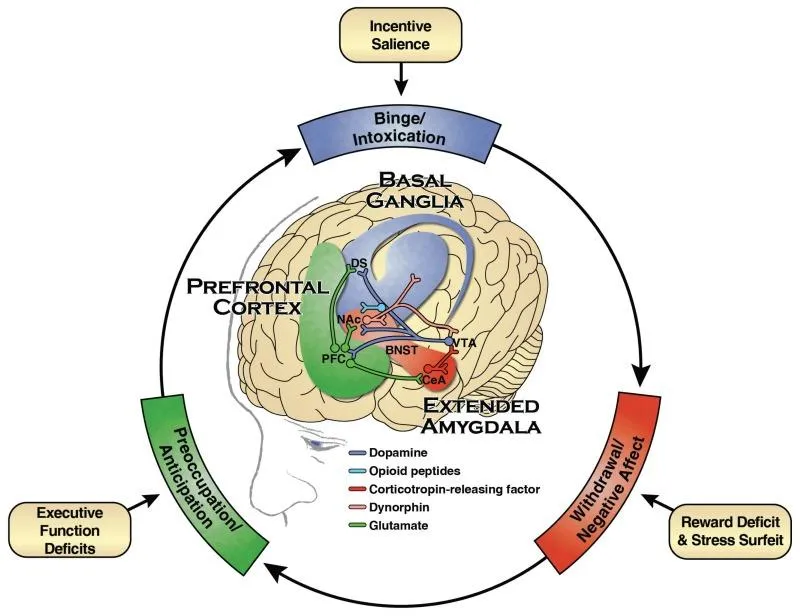
Why It Matters: Focusing only on stopping one substance may leave other health, emotional, or behavioral concerns unaddressed. Recognizing a new pattern early can help a person seek support before it causes significant harm.
Practical Takeaway: Pay attention to changes in your habits during recovery. If a new behavior becomes difficult to control, secretive, or harmful to your finances, relationships, or health, consider discussing it with a qualified healthcare professional or recovery counselor.
Submit Your Listing to Our Rehab Directory
Sober Nation is one of the nation’s leading recovery resources, dedicated to helping people struggling with substance abuse disorder find treatment options that can get them on a path to sobriety.
To get listed in our directory, please fill out the contact form below.
How Cross-Addiction Develops in Recovery
Cross-addiction does not happen to everyone in recovery, and it does not necessarily develop overnight. In some cases, a person may turn to a new behavior to manage anxiety, cope with sleep problems, respond to stress, or fill time previously associated with substance use.
Chemical and Behavioral Substitutions
Substance-to-substance substitution can occur when a person begins relying on another substance after stopping their primary substance. For example, someone in recovery may use medication to manage anxiety or sleep problems. Some medications carry risks when they are not taken as prescribed or are used without appropriate medical supervision.
Never stop or change a prescribed medication without consulting your healthcare professional. Appropriate medication use under medical supervision is not automatically cross-addiction, and effective treatment may include medication when clinically indicated.
Behavioral patterns can also become concerning when they are repetitive, difficult to control, and continue despite harmful consequences. Examples may include:
- Compulsive Gambling: Repeated betting that causes financial, relationship, or emotional difficulties.
- Problematic Eating Patterns: Using food to cope with difficult emotions in ways that negatively affect health or daily life.
- Compulsive Shopping or Spending: Repeated purchases used to manage stress or boredom despite financial consequences.
- Excessive Work: Working compulsively to avoid difficult emotions or other parts of life.
These behaviors are not automatically addictions simply because someone in recovery engages in them. Their impact, frequency, controllability, and consequences matter when determining whether professional support may be helpful.
Cross-Tolerance vs. Cross-Addiction
Cross-tolerance and cross-addiction describe different concepts. Cross-tolerance is a physiological phenomenon in which tolerance to one substance reduces responsiveness to another substance with related effects. For example, alcohol and some benzodiazepines can have overlapping effects on the central nervous system.
Cross-addiction is a term used to describe the development of another problematic substance-use or compulsive-behavior pattern during recovery. It is not the same as cross-tolerance, and the two terms should not be used interchangeably.
Why Cross-Addiction Matters in Recovery
Direct Answer: Cross-addiction may affect recovery when a new problematic behavior creates additional health, emotional, financial, or relationship difficulties. It can also make it harder to recognize and address the underlying challenges that contributed to the original substance use.
Evidence: The Substance Abuse and Mental Health Services Administration (SAMHSA) describes recovery as a process supported by health, well-being, supportive relationships, and access to appropriate services. These broader recovery needs can be important when a person is dealing with more than one substance-related or behavioral concern.
Why It Matters: Substitute behaviors may carry their own risks. Problematic gambling can cause financial distress, while harmful substance use can affect physical and mental health. Recognizing concerns early can help people protect their well-being and continue making progress in recovery.
Practical Takeaway: Tell healthcare providers about your substance-use history and any new concerns. This helps them consider your circumstances when discussing medication, mental health care, and other treatment options.
Comparing Addiction Concepts in Recovery
Understanding the differences between addiction-related concepts can help people recognize when additional assessment or support may be appropriate.
| Concept | Primary Characteristic | Example | Potential Concern |
|---|---|---|---|
| Primary Addiction | The original substance-related or behavioral problem affecting a person's life | Alcohol or opioid use disorder | Health, relationship, or daily-functioning difficulties |
| Cross-Addiction | Developing another problematic substance-use or behavioral pattern during recovery | Developing a gambling problem while recovering from alcohol use disorder | Additional harm and challenges in recovery |
| Cross-Tolerance | Reduced responsiveness to a substance because of exposure to a related substance | Overlapping tolerance effects involving certain central nervous system depressants | Potential safety concerns when substances or medications are combined |
| Co-Occurring Disorders | A substance use disorder occurring alongside a mental health condition | Depression or anxiety alongside a substance use disorder | One condition may complicate treatment of the other if not addressed |
Strategies to Prevent and Manage Cross-Addiction
Recovery support can include building self-awareness, developing healthy coping skills, maintaining supportive relationships, and seeking professional help when new concerns arise. There is no single approach that works for everyone.
1. Communicate Openly with Healthcare Professionals
Tell doctors, dentists, and other healthcare professionals about your substance-use history and current medications. If you need treatment for pain, anxiety, or sleep difficulties, ask about the benefits and risks of available options. Do not avoid appropriate medical treatment because of fear or shame.

2. Continue Therapy and Peer Support
An addiction counselor or mental health professional can help identify triggers, address difficult emotions, and develop strategies for managing cravings or compulsive behaviors. Peer support groups, including 12-step and non-12-step recovery communities, may also provide connection and encouragement.
3. Develop Healthy Coping Strategies
Consider activities that support well-being, such as physical exercise, creative hobbies, mindfulness practices, regular sleep, and community involvement. These activities can complement treatment and provide alternatives for managing stress, but they are not substitutes for professional care when it is needed.
4. Practice Honest Self-Reflection
Check in with yourself about new habits and how they affect your life. Consider asking:
- Am I using this behavior to avoid difficult feelings?
- Do I feel unable to stop or cut back?
- Am I hiding this behavior from people I trust?
- Is it affecting my finances, health, relationships, or responsibilities?
If you notice concerning patterns, consider discussing them with a healthcare professional or recovery support person. Seeking help early can make it easier to address problems before they become more serious.
Submit Your Listing to Our Rehab Directory
Want to add your rehab or treatment center to the SoberNation directory? Call (866) 207-7436 to get started.
Frequently Asked Questions
Can cross-addiction involve non-substance activities?
Yes. The term may be used when a person in recovery develops a problematic behavioral pattern, such as gambling or compulsive spending. However, enjoying an activity or engaging in it frequently does not automatically mean that someone has an addiction. The degree of control and the consequences are important considerations.
Is taking prescribed medication during recovery considered cross-addiction?
No. Taking medication as prescribed and monitored by a qualified healthcare professional is not automatically cross-addiction. Some medications are important parts of effective treatment. However, taking medication differently from how it was prescribed or using someone else's medication can create safety risks and should be discussed with a healthcare professional.
Why might someone develop another problematic behavior after getting sober?
Some people may turn to a new behavior to cope with stress, difficult emotions, sleep problems, or other challenges. Individual experiences vary, and not everyone develops another addiction during recovery. Counseling and appropriate support can help people identify their needs and build healthier coping strategies.
How can I tell if a new habit is becoming a problem?
Potential warning signs include feeling unable to control the behavior, repeatedly hiding it from loved ones, spending more money or time on it than intended, neglecting responsibilities, or continuing despite negative consequences. These signs do not establish a diagnosis on their own, but they may indicate that a professional assessment could be helpful.
What should I do if I think I am experiencing cross-addiction?
Consider contacting your therapist, counselor, healthcare professional, or recovery support group. Be open about the behavior and any effects it is having on your life. Asking for help is a constructive step toward understanding the problem and deciding what support may be appropriate.
Conclusion
Understanding cross-addiction can help people recognize that recovery involves more than stopping one substance. Emotional well-being, coping strategies, mental health, relationships, and ongoing support can all play a role in maintaining progress.
Developing a new problematic behavior is not inevitable, and it does not mean that recovery has failed. By paying attention to changes in behavior, communicating openly with healthcare professionals, and building healthy coping strategies, individuals can address concerns and continue working toward a balanced life.
If you or someone you care about is struggling with substance use or a compulsive behavior, consider reaching out to a qualified healthcare professional to discuss appropriate support and treatment options.
Sources
- National Institute on Drug Abuse (NIDA). Addiction Science.
- Substance Abuse and Mental Health Services Administration (SAMHSA). Recovery and Recovery Support.
- National Institutes of Health (NIH), NCBI Bookshelf. Facing Addiction in America: The Surgeon General's Report on Alcohol, Drugs, and Health.
```
About the author
Tim Stoddart
Spiritual gangster. I love dogs, music and the blank page. Grateful to be sober. Join my mailing list for TimStodz and join my Facebook Page.
Ready to take the next step?
Recovery starts with finding the right treatment. Browse rehab centers, detox programs, and sober living homes in our nationwide directory.
Choose your next step
Keep reading, with a purpose
Leave a Reply
Your email address will not be published. Required fields are marked *