

Someone Is Having an Alcohol Overdose: What Should I Do?
By Tim PowersFeb 12, 2016Updated Sep 14, 2026Articles
In this article
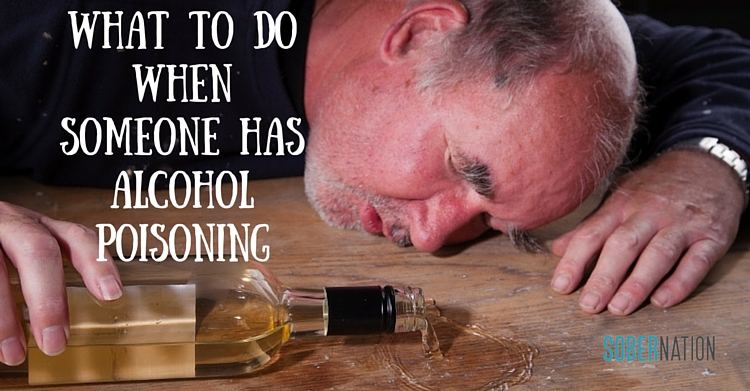
With all the news regarding the prescription pill and heroin epidemic that is currently plaguing the United States, it is easy to forget there are other substances which have equally devastating effects on people from all walks of life. Of all substances, it may surprise some people to find out that alcohol is responsible for an estimated 88,000 deaths yearly and the third leading cause of death in this country.
Whether we choose to admit it or not, alcohol use is firmly intertwined in our social culture. Whether it is at a tailgate party, happy hour, dinner party or other social gatherings, alcohol use is synonymous with good times. However, those good times can turn dangerous if people get caught up in the moment and drink an excessive amount of alcohol in a short period of time. When this occurs, a person can develop alcohol poisoning--and it can put their life in immediate danger.
If you are out in a social situation where there is drinking involved and notice someone who is extremely intoxicated and struggling, you may be witnessing an alcohol overdose. Knowing the signs of an alcohol overdose and what exactly to do in that situation can save a person's life, whether it is friend, acquaintance or a complete stranger.
What are the Signs of An Alcohol Overdose?
As stated earlier, there are several important factors that come into play in regards to how someone can overdose on alcohol. These risk factors include the following:
- age
- gender
- body size
- tolerance
- binge drinking
- drug use
- certain underlying health conditions
If you are encountering a situation in which someone may be experiencing an alcohol overdose, you need to be aware if the following symptoms are occurring:
- changes in mental state with confusion being most common
- vomiting
- seizures
- slow or irregular breathing (usually less than 8 breaths per minute)
- pale or blue skin
- hypothermia
- passing out or unconsciousness
It is very important to note that not all of these symptoms must be present for alcohol poisoning to occur. If you see that someone’s breathing has slowed to less than eight breaths per minute or if the person cannot be woken up, you should seek emergency medical care immediately. Additionally, you should not leave the person’s side if they are experiencing an alcohol overdose. This type of overdose suppresses the gag reflex and as a result a person can choke and possibly die, especially if they are laying on their back.
What Do I Do If Someone Is Experiencing Alcohol Poisoning?
If someone is experiencing alcohol poisoning, you must act quickly and decisively. The course of action you take is dependent on the physical and mental taste they are in at that time.
Is the Person Conscious and Responsive?
If that individual is conscious and responsive, you want to stay with them and check them often to make sure they are still maintaining consciousness and are responsive to you. If you haven't already done so, you want to make certain they stay on their side and not their back. A safe way to move them on their side is what is commonly known as The Bacchus Maneuver which is the following:
- Raise the arm that is closest to you above their head and prepare to roll them towards you.
- Gently roll them toward you, guarding their head from hitting the floor. The head should rest in front of the arm, not on it.
- Tilt the head up to maintain airway. Tuck their nearest hand under the cheek to help maintain head tilt and raise the face off the floor.
- Check on them often.
Before you touch them, you want to tell that person exactly what you are going to do. Don't try to judge, intimidate, threaten to try to counsel them. Watch for any signs of aggression and remain calm and firm with that person. It is important to not give the person any food or drink. Most importantly, you must remember that only time will sober up someone who is intoxicated. Showering, walking with someone or having them drink coffee will not sober them up any quicker--and you can end up doing more harm to that individual.
What If The Person is Semi-Conscious or Unresponsive?
In the event that someone is passing in and out of consciousness or is completely unresponsive as a result of alcohol poisoning, you need to be aware of these following signs:
- Mental confusion
- Unresponsive
- Snoring or gasping for air
- Throwing Up
- Hypothermia
- Erratic Breathing
- Loss of Consciousness
- Paleness/Blueness of Skin
It is helpful to remember the above-listed symptoms by the acronym MUST HELP. If you encounter ANY of these symptoms, you must call 911 immediately!
While you are waiting for emergency personnel to arrive, you need to stay with the individual and not leave for any reason. If you haven't done so, use the Bacchus Maneuver and place them on their side. You also must be prepared to administer CPR if needed. If you don't know how to perform CPR, emergency operators can walk you through the procedure. You must fully realize that if a person slips into unconsciousness they may not regain consciousness and death may occur. You must try keep them alert by calling out their name, pinching them or gently shaking them.
Alcohol overdoses are serious business and cannot be taken lightly. Knowing what to do when confronted with this situation can literally mean the difference between life and death.
About the author
Tim Powers
I've been writing for Sober Nation since 2013. I'm a lover of the bass guitar, old vinyl and coffee. Bald, tattooed and a Gemini. Eleven years clean and paying it forward.
Alcohol recovery stories
In their own words, from people in the Sober Nation community.
Before
In the end it was a living hell. Convinced my family was better off without me, but, didn't have the guts to kill myself.
Today
“My wife and I have a good life, in spite of all the tragedy and hardship. It's only by the Grace of God and the fellowship. Period. I'm gonna keep coming.”
Andrew I. · 20 years sober
Read Andrew’s storyBefore
Rock bottom kept lying to myself, then I heard about the 2 brown bag method.
Today
“20 plus years later I enjoy things, I'm retired own my car and house. I am not rich but I am free and sleep well. Life is good.”
Ron · 26 years sober
Read Ron’s storyBefore
My life was consumed by alcohol, when I wasn’t during , I was thinking of drink.
Today
“I am truly blessed, I have been given a whole new way of life through the people of AA. It’s the best move I ever made.”
Sharon · 9 years sober
Read Sharon’s storyReady to take the next step?
Recovery starts with finding the right treatment. Browse rehab centers, detox programs, and sober living homes in our nationwide directory.
Choose your next step
Keep reading, with a purpose
Related guide
Getting Sober From Alcohol: How to Stop Drinking Safely
Stopping alcohol suddenly after heavy drinking can be dangerous. Here is how to plan a safer stop with a clinician, what treatment involves, and how family can help.
Related guide
Alcoholism Self-Assessment Screening Quiz
Related guide
Getting Sober: How to Start Safely and What to Do Today
If you want to get sober but do not know where to begin, start with the immediate questions: how to stop safely, who to ask for help, and what support you will need in the first few days.
Related guide
Staying Sober: A Practical Guide to Protecting Your Recovery
Once you stop drinking or using, there is still work, family, stress, and free time to figure out. Staying sober involves building routines and knowing who to call when you want to use again.
Related Articles
The Difference Between Dependence and Addiction

How Addiction Affects Families and How to Heal Together

Regret and Its Role in Recovery
Alcohol Withdrawal Timeline: What to Expect From the First 24 Hours to Recovery
The Severe Health Consequences of Long-Term Alcohol Use
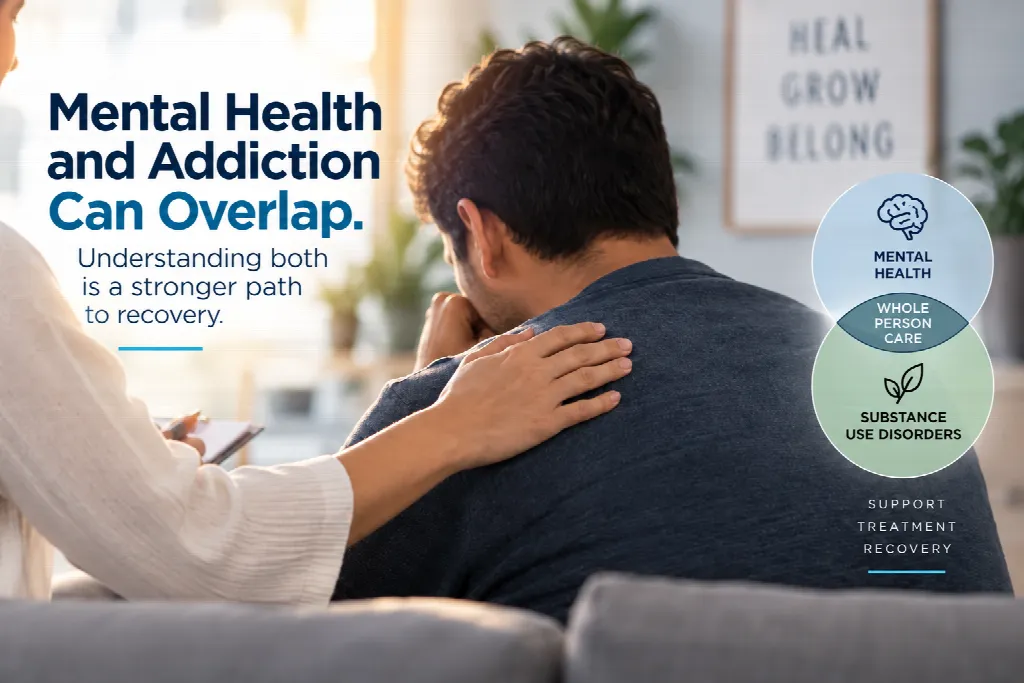
Understanding Co-Occurring Mental Health and Substance Use Disorders
Leave a Reply
Your email address will not be published. Required fields are marked *