

 1 / 3
1 / 3At a Glance
Primary Focus
Treatment Settings
Treatment Approaches
Special Programs
About Bridge House Inc
Bridge House Inc is a CARF-accredited residential treatment center in Baltimore, MD, offering recovery support for men navigating substance abuse and co-occurring disorders. With a 20-bed program grounded in structured community living, the center serves veterans, young adults, seniors, and court-ordered individuals through evidence-informed therapeutic methods and accessible payment options including Medicaid.
Bridge House Inc, located at 30 South Broadway in Baltimore City, is a residential addiction treatment center operating under the Valley/Bridge House, Inc. umbrella — an organization with deep roots in Baltimore's recovery community. CARF-accredited and licensed by the State of Maryland and DHMH, the center provides long-term residential treatment for men seeking sustained recovery from substance abuse and co-occurring mental health conditions, including trauma and PTSD. Its 20-bed capacity reflects an intentional commitment to close-knit, community-centered care rather than high-volume throughput.
The center's primary level of care is residential treatment — a structured, live-in program designed for men who need more than outpatient support to build a durable recovery. Two of the facility's 20 beds are reserved for emergency client placement, providing a critical safety net for individuals in urgent need of stabilization and support within Baltimore City. Residents receive three nutritious meals per day plus snacks, and the program incorporates random urinalysis testing as part of its accountability framework.
Therapeutically, Bridge House draws on Cognitive Behavioral Therapy (CBT), Moral Recognition Therapy (MRT), and a Criminal and Addicted Thinking curriculum — a combination particularly well-suited to residents navigating the intersection of legal involvement, trauma, and substance use. The dual diagnosis focus ensures that co-occurring conditions such as PTSD are addressed alongside addiction, rather than treated in isolation. This integrated approach aligns with what recovery-focused programs increasingly recognize as essential for long-term outcomes.
Bridge House serves a notably broad range of men: veterans, young adults ages 18–25, seniors and older adults, individuals living with HIV/AIDS, and those entering treatment through court orders. Financial barriers are addressed directly through Medicaid acceptance, a sliding scale fee structure, and financial assistance options. For men in Baltimore City who need a residential recovery community — not just a short-term intervention — Bridge House offers an accessible, accountable, and community-rooted option.
Residential Treatment for Men in Baltimore City
Bridge House Inc provides residential treatment for men in Baltimore City, operating as part of Valley/Bridge House, Inc. — one of the area's longstanding recovery-focused organizations. The program's 20-bed residential structure is built around the premise that sustained recovery requires more than clinical appointments; it requires living inside a community that holds residents accountable while supporting their growth.
The facility's CARF accreditation and dual licensure by the State of Maryland and DHMH signal a program that meets rigorous standards for residential substance abuse treatment. For men who need an immersive recovery environment — whether they are entering voluntarily, through court order, or via emergency placement — Bridge House provides a stable residential foundation in the heart of Baltimore.
Treating Co-Occurring Disorders and Trauma in Recovery
Many men entering residential treatment carry more than a substance use disorder. Bridge House specifically addresses co-occurring disorders and dual diagnosis, including trauma and PTSD, as confirmed components of its treatment scope. This matters for the recovery community because untreated mental health conditions are among the most common drivers of relapse — and programs that treat the whole picture tend to produce more durable outcomes.
The therapeutic methods at Bridge House reflect this dual-focus orientation. Cognitive Behavioral Therapy (CBT) helps residents identify and shift the thought patterns that drive addictive behavior. Moral Recognition Therapy (MRT) and the Criminal and Addicted Thinking curriculum address the specific cognitive distortions common among justice-involved individuals — making the program especially relevant for men entering treatment through the court system.
Who Bridge House Serves — and How to Access Care
Bridge House is specifically structured for men, and its population reach is notably wide. The program serves veterans, young adults between 18 and 25, seniors and older adults, individuals with HIV/AIDS support needs, and men entering treatment through court mandates. This breadth means that residents at Bridge House are not a monolithic group — the community itself reflects the diversity of addiction's reach across age, background, and life circumstance.
Access to the program does not require private insurance. Bridge House accepts Medicaid, offers a sliding scale fee structure, and provides financial assistance — removing common financial barriers that keep men from entering residential treatment. The center operates seven days a week from 7:00am to 5:00pm, and prospective residents or families can reach the team at (410) 675-7765 or [email protected].
A Recovery Community Rooted in Baltimore
Bridge House Inc is not an outside operator that arrived in Baltimore — it is part of Valley/Bridge House, Inc., an organization that has held out, in their own words, "the hand of hope" to individuals seeking recovery from alcoholism and substance abuse. That local rootedness shapes the culture of the program, which is oriented toward community accountability, peer connection, and long-term recovery rather than short-cycle admissions.
The facility's two reserved emergency beds underscore this community commitment: when someone in Baltimore City reaches a crisis point and needs immediate residential placement, Bridge House maintains capacity to respond. For families researching residential treatment options in Baltimore, that combination of accreditation, accessibility, and community orientation makes Bridge House a substantive choice worth examining closely.
Why Choose Bridge House Inc
- Two beds permanently reserved for emergency client placement — a rare feature that keeps the door open for men in crisis
- Addresses co-occurring trauma and PTSD alongside substance abuse within a residential treatment setting
- Therapeutic curriculum includes Moral Recognition Therapy (MRT) and Criminal and Addicted Thinking — specifically designed for court-involved and justice-impacted individuals
- Intentionally small 20-bed program fosters the peer accountability and community connection central to long-term recovery
- Serves a uniquely broad male population: veterans, seniors, young adults, HIV/AIDS-affected individuals, and court-ordered residents — all under one roof
Frequently Asked Questions
What level of care does Bridge House Inc provide?
Bridge House provides residential treatment — a live-in program for men working toward recovery from substance abuse and co-occurring conditions. This is a longer-term, immersive level of care appropriate for individuals who need structured daily support beyond what outpatient programs offer. The facility has 20 beds, with two reserved specifically for emergency placements.
Who is eligible for the residential treatment program at Bridge House?
The program serves men across a broad range of backgrounds, including veterans, young adults ages 18–25, seniors and older adults, individuals with HIV/AIDS support needs, and men entering treatment through court orders. All residents must meet the facility's residential treatment criteria. Services are provided in English.
Does Bridge House accept Medicaid or offer financial assistance?
Yes. Bridge House accepts Medicaid and offers both a sliding scale fee structure and financial assistance for eligible individuals. These options are designed to make residential treatment accessible to men in Baltimore City regardless of their financial situation.
What therapeutic approaches are used in the program?
The program uses Cognitive Behavioral Therapy (CBT), Moral Recognition Therapy (MRT), and a Criminal and Addicted Thinking curriculum. These methods are particularly well-suited for residents dealing with co-occurring disorders, trauma, PTSD, and legal system involvement — addressing both the cognitive and behavioral dimensions of addiction.
Does Bridge House treat co-occurring mental health conditions?
Yes. Bridge House is equipped to address co-occurring disorders and dual diagnosis, including trauma and PTSD, as part of its residential treatment program. Treating mental health conditions alongside substance use is a core part of the program's scope, not an add-on service.
Is Bridge House accredited or licensed?
Bridge House holds CARF accreditation — one of the most recognized standards in addiction treatment — and is licensed by the State of Maryland and the Department of Health and Mental Hygiene (DHMH). It is also a United Way participant. These credentials reflect a program that has met independent standards for quality residential treatment.
What is daily life like in the residential program?
Residents receive three nutritious meals per day plus snacks, and the program includes random urinalysis testing as part of its accountability structure. The facility operates seven days a week from 7:00am to 5:00pm. The 20-bed setting is intentionally sized to support a close-knit recovery community.
Does Bridge House serve veterans specifically?
Yes. Veterans are an explicitly served population at Bridge House, alongside young adults, seniors, court-ordered individuals, and men with HIV/AIDS support needs. The program's therapeutic methods — including CBT and MRT — are well-suited to addressing the trauma and co-occurring conditions that many veterans carry into treatment.
Where is Bridge House located, and what area does it serve?
Bridge House is located at 30 South Broadway in Baltimore, MD 21231, within Baltimore City. The program's primary service area is Baltimore City. You can reach the center by phone at (410) 675-7765 or by email at [email protected].
What makes Bridge House different from other residential treatment centers in Baltimore?
Several features set Bridge House apart: its two emergency-reserved beds provide immediate access for men in crisis; its therapeutic curriculum specifically addresses criminal and addicted thinking, making it a strong fit for justice-involved individuals; and its wide population scope — veterans, seniors, young adults, HIV/AIDS-affected men, and court-ordered residents — creates a recovery community that reflects the real diversity of addiction in Baltimore City.
Nearby Treatment Centers

Valley Bridge House Inc
Baltimore, MD
- Residential
- Sober Living
Substance use treatment · Accepts clients on opioid medication but prescribed elsewhere · Cognitive behavioral therapy
Accepts: Medicaid, Sliding fee scale, Payment assistance
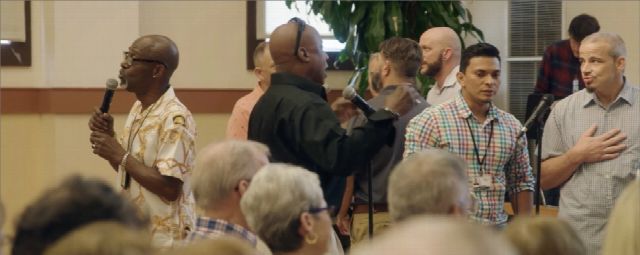
Helping Up Mission
Baltimore, MD
- Residential
- Sober Living
Substance use treatment · Does not use medication for opioid addiction · Cognitive behavioral therapy
Accepts: Payment assistance
Light of Truth Center Inc
Baltimore, MD
- Residential
- IOP
- MAT
- Sober Living
Substance use treatment · Accepts clients on opioid medication but prescribed elsewhere · Cognitive behavioral therapy
Accepts: Cash or self-payment, Medicaid, Medicare
Recovery Network Halfway House
Baltimore, MD
- Residential
- MAT
- Sober Living
Substance use treatment · Cognitive behavioral therapy · Substance abuse counseling
Accepts: Cash or self-payment, Medicaid, Medicare
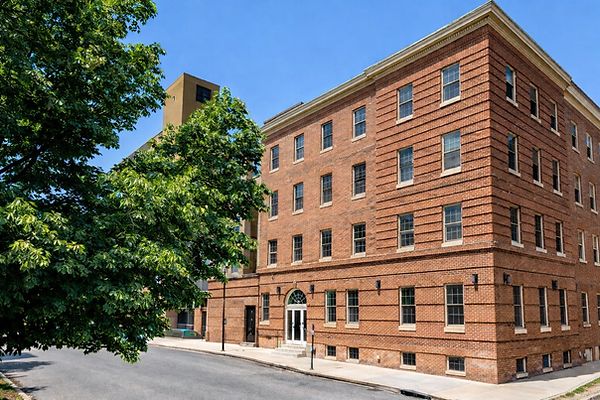
Maryland Center for Veterans Education and Training
Baltimore, MD
- IOP
- Sober Living
Substance use treatment · Accepts clients on opioid medication but prescribed elsewhere · Cognitive behavioral therapy
Accepts: Cash or self-payment, Medicaid, Medicare
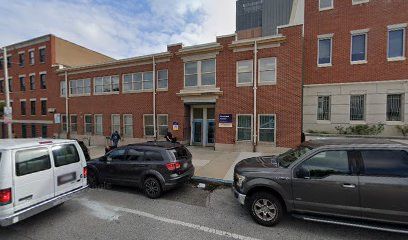
Johns Hopkins Hospital Broadway Center
Baltimore, MD
- IOP
- MAT
Substance use treatment · Accepts clients on opioid medication but prescribed elsewhere · SAMHSA-certified Opioid Treatment Program
Accepts: Cash or self-payment, Medicaid, Medicare