

At a Glance
Primary Focus
Treatment Settings
Treatment Approaches
Special Programs
About Maryland Center for Veterans Education and Training
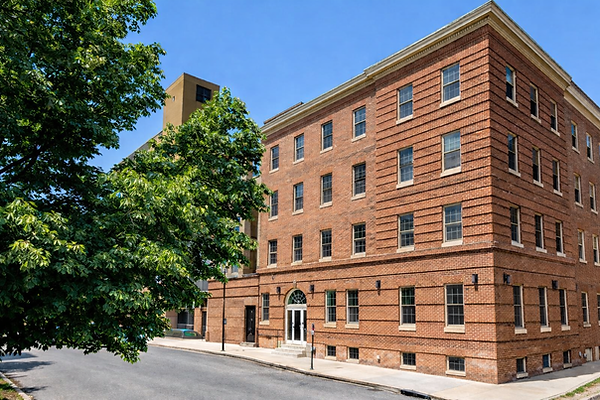
Maryland Center for Veterans (MCVET) is a CARF-accredited substance use treatment and recovery center in Baltimore, MD, built specifically around the needs of veterans navigating addiction and co-occurring conditions. Offering residential treatment, outpatient programs, and intensive outpatient care alongside housing support and VA benefits navigation, MCVET provides a recovery community designed for the long haul — not just the first step.
Nestled in Baltimore City at 301 North High Street, the Maryland Center for Veterans Education and Training (MCVET) stands apart as a recovery center built from the ground up for veterans. CARF-accredited and mission-driven, MCVET delivers substance use treatment within a broader ecosystem of supportive services — recognizing that lasting recovery for veterans involves far more than clinical care alone. The center serves Baltimore, MD, and operates seven days a week, making consistent access to support a practical reality rather than a promise.
MCVET's continuum of care spans residential treatment, a standard outpatient program, and an Intensive Outpatient Program (IOP). This range allows veterans to step through levels of structure as their recovery progresses, whether they are entering long-term residential treatment or transitioning into a more flexible outpatient program while rebuilding daily life. The availability of both short-term and long-term housing on-site means that stable living and addiction treatment can advance in parallel rather than compete with each other.
Cognitive Behavioral Therapy (CBT) is the confirmed therapeutic method at the core of MCVET's clinical work, addressing the thought patterns and behaviors that fuel substance use and co-occurring disorders. The center treats Trauma and PTSD alongside dual diagnosis conditions — a critical combination for a veteran population where these challenges frequently intersect. Aftercare support is built into the model through referrals, VA benefits coordination, state and federal benefits assistance, and financial planning services that help residents stabilize life outside of treatment.
MCVET serves male and female veterans across age groups — including young adults 18–25, older adults, and seniors — as well as individuals navigating court-ordered treatment or HIV/AIDS-related support needs. Medicaid, Medicare, and self-pay are all accepted, and the MCVET Boutique and emergency shelter services reflect the center's broader commitment to meeting veterans where they are. For those searching for a recovery community that understands military service and its aftermath, MCVET offers a structured, veteran-centered environment built for sustainable recovery.
Residential Treatment and Outpatient Programs for Veterans in Baltimore
MCVET offers three distinct levels of care — residential treatment, an outpatient program, and an Intensive Outpatient Program (IOP) — giving veterans the ability to engage with addiction treatment at the right level of intensity for their situation. Residential treatment provides structure and immersive support for those in the earlier, more demanding phases of recovery. The IOP and standard outpatient tracks allow veterans to continue treatment while gradually re-engaging with community life.
What sets this continuum apart is its grounding in veteran-specific realities. Co-occurring disorders and trauma are treated as central concerns rather than secondary issues, and the facility's CARF accreditation confirms that these programs meet rigorous independent standards. Veterans in Baltimore seeking a recovery center that carries them through multiple phases of the recovery journey — from residential care to outpatient aftercare — will find that MCVET's structure is built precisely for that arc.
Aftercare, Housing, and Community Support at MCVET
Recovery does not end at discharge, and MCVET's aftercare support reflects that reality. The center connects residents and program participants with VA benefits, state and federal benefits navigation, financial planning resources, and formal referrals to continued services. These aren't add-ons — they are integrated into the recovery model because stable finances, housing, and benefits access directly affect whether recovery holds after treatment ends.
On-site emergency shelter, short-term housing, and long-term housing options mean that for veterans without stable living situations, the foundation of recovery can be built at the same time as clinical treatment. The MCVET Boutique is another practical community resource available on-site. This convergence of sober living support, housing, and clinical care makes MCVET a genuine recovery community rather than a standalone treatment program.
Treating Trauma, PTSD, and Co-Occurring Disorders Through CBT
Many veterans entering substance abuse treatment are carrying the weight of trauma and PTSD alongside addiction, and these conditions rarely respond well to treatment programs that address only one at a time. MCVET's clinical model confirms treatment of both Trauma/PTSD and co-occurring disorders, with Cognitive Behavioral Therapy (CBT) as the documented therapeutic method. CBT's focus on identifying and reshaping harmful thought patterns makes it particularly well-suited to the interconnected challenges of addiction and trauma.
Dual diagnosis treatment at MCVET means that veterans are not required to stabilize one condition before addressing the other. Both are treated as part of the same recovery picture. For veterans whose substance use is tangled with mental health conditions rooted in service, this integrated approach within a veteran-centered environment offers something that general addiction treatment programs typically cannot replicate.
Who MCVET Serves and How to Access Care
MCVET serves a broad veteran population, including men and women, young adults ages 18–25, older adults and seniors, individuals with court-ordered treatment requirements, and those needing HIV/AIDS support services. This breadth reflects the center's role as a community anchor for Baltimore-area veterans navigating addiction and recovery at different stages of life. Services are available seven days a week from 9:30 AM to 6:00 PM.
The center accepts Medicaid, Medicare, and self-pay, removing some of the financial barriers that prevent veterans from accessing residential treatment or ongoing outpatient programs. Prospective residents and their families can reach MCVET directly at (410) 576-9626 or by email at [email protected]. The center's website at mcvet.org provides additional information on its full range of supportive services for veterans in the Baltimore recovery community.
Why Choose Maryland Center for Veterans Education and Training
- Veteran-exclusive recovery community with programming specifically designed around military service, trauma, and PTSD
- On-site short-term and long-term housing keeps stable living and addiction treatment connected throughout the recovery process
- Aftercare infrastructure includes VA benefits coordination, state and federal benefits assistance, and financial planning — not just a referral list
- CARF-accredited substance use treatment across residential, outpatient, and IOP levels of care under one roof
- Accepts Medicaid and Medicare, with seven-day-a-week access throughout the week to reduce barriers for veterans managing complex schedules or crises
Frequently Asked Questions
What levels of care does MCVET offer for veterans in addiction recovery?
MCVET provides three levels of substance use treatment: residential treatment, a standard outpatient program, and an Intensive Outpatient Program (IOP). This range allows veterans to engage with care at the appropriate level of intensity and transition between levels as their recovery progresses. All three levels are available at the Baltimore, MD location.
Does MCVET treat PTSD and co-occurring disorders alongside addiction?
Yes. MCVET confirms treatment of Trauma and PTSD as well as co-occurring disorders and dual diagnosis conditions. This makes the center particularly well-suited for veterans whose substance use is connected to mental health challenges rooted in military service. Cognitive Behavioral Therapy (CBT) is the documented clinical method used in treatment.
What insurance does MCVET accept?
MCVET accepts Medicaid, Medicare, and self-pay. Veterans should contact the center directly at (410) 576-9626 to discuss their specific coverage and financial options, including potential VA benefits and state and federal benefits that the center helps navigate as part of its aftercare support.
Does MCVET provide housing for veterans in recovery?
Yes. MCVET offers emergency shelter, short-term housing, and long-term housing on-site. These housing options allow veterans to stabilize their living situation while simultaneously engaging in addiction treatment and recovery programming, which is a meaningful advantage for veterans who do not have a stable residence when entering care.
What aftercare support does MCVET provide after completing a program?
MCVET's aftercare support includes referrals to continued services, VA benefits coordination, state and federal benefits assistance, and financial planning resources. These services are designed to help veterans maintain recovery gains after leaving residential treatment or completing an outpatient program, addressing the practical life factors that affect long-term sobriety.
Is MCVET accredited?
Yes. MCVET holds CARF accreditation, which is an internationally recognized standard for rehabilitation and behavioral health programs. CARF accreditation indicates that the center's programs have been independently evaluated and meet established quality benchmarks for substance use treatment and supportive services.
Who is eligible for treatment at the Maryland Center for Veterans?
MCVET serves veterans across a wide range of demographics, including men and women, young adults ages 18–25, older adults and seniors, individuals with court-ordered treatment requirements, and those needing HIV/AIDS support. The center is located in Baltimore, MD, and primarily serves the Baltimore area.
What days and hours is MCVET open?
MCVET operates seven days a week, Monday through Sunday, from 9:30 AM to 6:00 PM. This consistent schedule across all seven days makes it more accessible for veterans who may have variable availability or who are managing complex personal and medical situations during recovery.
How does MCVET support veterans navigating VA and government benefits?
As part of its aftercare support structure, MCVET assists veterans with VA benefits navigation, state and federal benefits access, and financial planning. This integrated support recognizes that financial stability and access to earned benefits are practical components of sustainable recovery, not separate concerns.
How do I contact the Maryland Center for Veterans to learn more or start the admissions process?
You can reach MCVET by phone at (410) 576-9626, by email at [email protected], or through their website at mcvet.org. The center is located at 301 North High Street, Baltimore, MD 21202, and staff are available seven days a week during operating hours to assist veterans and their families.
Nearby Treatment Centers
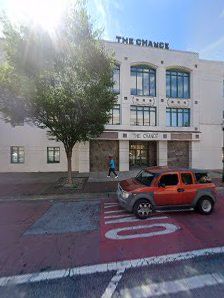
Reflective Treatment Center
Baltimore, MD
- Detox
- Outpatient
- MAT
Substance use treatment · All Clients in Opioid Treatment Program · SAMHSA-certified Opioid Treatment Program
Accepts: Cash or self-payment, Medicaid, Medicare
Healthcare for the Homeless Inc
Baltimore, MD
- IOP
- MAT
Substance use treatment · Cognitive behavioral therapy · Dialectical behavior therapy
Accepts: Medicaid, Medicare, Private health insurance
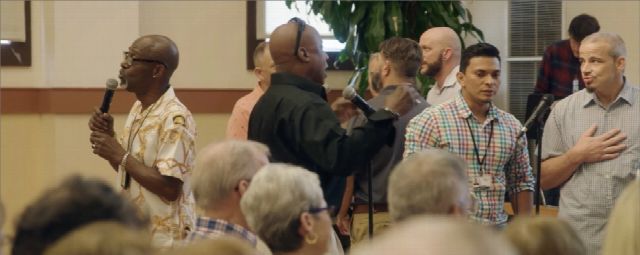
Helping Up Mission
Baltimore, MD
- Residential
- Sober Living
Substance use treatment · Does not use medication for opioid addiction · Cognitive behavioral therapy
Accepts: Payment assistance

American Psychiatric Group PA
Baltimore, MD
- Detox
- IOP
- MAT
Substance use treatment · Cognitive behavioral therapy · Dialectical behavior therapy
Accepts: Cash or self-payment, Medicaid, Medicare

University Psychological Center Inc Recovery Network
Baltimore, MD
- Detox
- IOP
- MAT
Substance use treatment · Cognitive behavioral therapy · Dialectical behavior therapy
Accepts: Cash or self-payment, Medicaid, Medicare
New Vision House of Hope Inc
Baltimore, MD
- IOP
- MAT
- Sober Living
Substance use treatment · Accepts clients on opioid medication but prescribed elsewhere · Cognitive behavioral therapy
Accepts: Cash or self-payment, Medicaid, Medicare