

Why do People Cut Themselves?
By Tim StoddartNov 9, 2012Updated Sep 14, 2026Mental Health
In this article
A blurb I found on 100 Ways to Recover
Today I have been 2 months clean of self-harm. No one ever said it would be easy to recover but I’m making progress. I feel like a weight has been lifted off of my shoulders and I feel better then ever knowing that there are people that care about me, that I am strong willed and that I am determined that i can do this. Everyone is worth it. Life does get better. I can promise you that.
Congratulations on 2 months clean and thanks so much for submitting this hopeful message! I hope you make it to three, four, five, six and more months, and that you are able to hold on to the motivation that you feel right now. Stay strong. You definitely can do this.
Cutting is Addictive
It's easy to forget that addiction is more than drinking and drugging, addictive behaviors are almost always symptoms of a bigger issue. There are many reasons as to why people cut themselves, it is important to understand that addiction is an over lapping issue and it can come out in many ways. One of these ways is cutting.
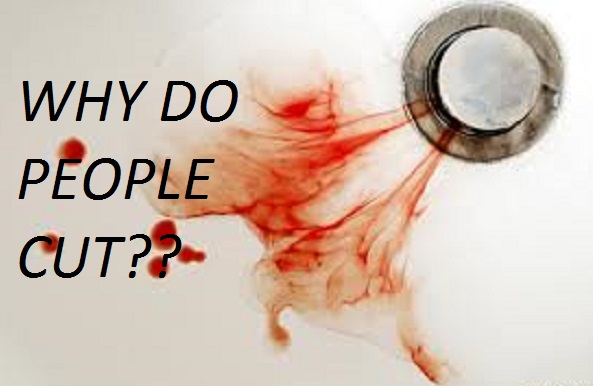
For most people, the concept of cutting can be confusing. People aren't sure why people cut themselves or what purpose it serves. How many times have family members or friends or siblings asked "Why do they cut themselves? Are they trying to kill themselves?" I am not a medical professional or a therapist, I am just someone who has experience on the subject. So... lets get right to it - why do people cut themselves??
Release of Pain
Cutting is a very real stress reliever. It brings an element of tangibility to the pain the person feels. It's hard to locate and treat internal emotional pain, but when cutters perform these rituals they are giving themselves something that can be seen and felt and treated. Cutting is very commonly correlated with addiction. The sharp and acute pain cutters feel releases an influx of endorphin's to the brain. These endorphin's actually can create a feeling of euphoria and pleasure. In a strange twist of fate, the "pain" cutters feel actually feels good. This feeling can be addictive just like a drug.
Cutting and Self Mutilation
Shortly after the "endorphin high" of cutting wears off, the afflicted cutter usually gets hit with feelings of guilt and shame. This turns into a downhill spiral and can lead to more questions as to why people cut themselves. Many times you will hear a cutter express feelings of low self esteem, and low self worth. These acts of self mutilation, in which the person feels so little and down about themselves, they want to purposely disfigure themselves our of an act of defiance and spite.
Impulse Control
Some doctors believe that cutting is an impulse control behavioral problem, and that the answer to why people cut themselves can be found in the chemistry of the brain. Cutting is often done impulsively and can be linked to a number of disorders such as depression, eating disorders, and of course addiction. There are dozens of studies and psychological theories about cutting, but I think first hand experience can provide some of the best insight of why people cut themselves.
Why do People Cut Themselves? - In Summary
This question may not ever be fully understood. The brain and the human behavior are very complicated, and it usually differs on a case by case basis. If you see or suspect someone is cutting or hurting themselves, there is usually a reason for it, and until that reason is brought to the forefront and dealt with, very rarely to we recovery from cutting.
What are your thoughts?
About the author
Tim Stoddart
Spiritual gangster. I love dogs, music and the blank page. Grateful to be sober. Join my mailing list for TimStodz and join my Facebook Page.
Ready to take the next step?
Recovery starts with finding the right treatment. Browse rehab centers, detox programs, and sober living homes in our nationwide directory.
Choose your next step
Keep reading, with a purpose
Related guide
What is Sobriety? Understanding Your Path to True Freedom
Explore what sobriety truly means in this enlightening article, delving into its journey beyond physical abstinence to emotional and psychological freedom. Discover how therapies like CBT, DBT, and MAT, along with a holistic approach, are key to overcoming addiction. Learn about sobriety's positive impacts on relationships, mental health, and overall well-being, highlighting the profound sense of freedom and fulfillment it brings.
Related guide
Getting Sober: How to Start Safely and What to Do Today
If you want to get sober but do not know where to begin, start with the immediate questions: how to stop safely, who to ask for help, and what support you will need in the first few days.
Related guide
Staying Sober: A Practical Guide to Protecting Your Recovery
Once you stop drinking or using, there is still work, family, stress, and free time to figure out. Staying sober involves building routines and knowing who to call when you want to use again.
Leave a Reply
Your email address will not be published. Required fields are marked *