

6 Steps to Start a Collegiate Recovery Program - SCS # 4
By Jake WhiteJul 12, 2016Updated Aug 23, 2016Collegiate Recovery
In this article
- 1. Check if someone else has already started one on your campus
- 2. Find a faculty or staff member to partner up with
- 3. Create a registered student organization
- 4. Advertise and host a weekly meeting for students in recovery
- 5. Outreach to students, classes and clubs that may be interested
- 6. Host or attend sober events together
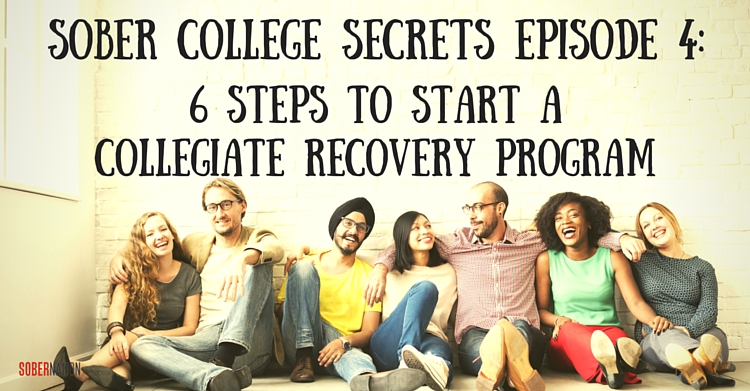
A college campus is probably among the hardest places to be when you're sober. Like a square peg in a round hole, you don't fit - but a Collegiate Recovery Program can change that. You can have friends in college who don't drink or do drugs. You can find a sober community that is dealing with the same things you are. Ultimately, you can stay sober in college with the support of other students just like you.
I interviewed Breanna Cook from Transforming Youth Recovery - a nonprofit that wants to make life better for college students in recovery. The company was founded on a challenge to give away one hundred $10,000 grants for students that want to start a Collegiate Recovery Program (CRP) for their campus.
So if your campus doesn't have one yet, here are the six steps to start a collegiate recovery program.
1. Check if someone else has already started one on your campus
Sometimes people have already created what you want, you just have to find them! It's great when this happens because you don't have to do all the start-up work that's involved with creating something new on campus.
2. Find a faculty or staff member to partner up with
Colleges are not easy to work with. Faculty and staff know how to navigate the university landscape and make things easier for you. Having one who's passionate about recovery will save you lots of time and frustration.
3. Create a registered student organization
Becoming a recognized club on campus gives you access to meeting rooms, marketing opportunities and sometimes funds as well. You can start a collegiate recovery program without this step, but you'd miss out on some helpful resources.
4. Advertise and host a weekly meeting for students in recovery
This is the foundation of your CRP. Students are looking for a sober community, just like you are, and you can bring everyone together. Eventually you might even have multiple meetings that are different. But start out with at least one meeting that people can rely on every week.
5. Outreach to students, classes and clubs that may be interested
A personal invitation always works better than a poster. Make sure you're connecting with the places that students in recovery might go. Reach out to faculty and staff who meet with students who are addicted or in recovery. They could be waiting for something just like your CRP.
6. Host or attend sober events together
College is supposed to be fun! Apart from your weekly meetings, you should be coordinating get-togethers for your group. You could attend campus events together, form an intramural sports team or even create your own events. Start by getting to know your group and see what things they're into.
_________________________
If you'd like to get more details on how to start a collegiate recovery program on your campus, Transforming Youth Recovery will actually guide you through the process with toolkits and one-on-one coaching!
So for those who enjoy a Collegiate Recovery Program, what has it done for you? And for those who don't have one on their campus yet, do you think you'd like one?
As always... Party.0n!
About the author
Jake White
Jake White is the creator of Party.0 - a movement of students throwing sober house parties on their university or college campuses. Now a national speaker, he shares his message of partying sober and gives students the tools to throw massive sober parties for their campus.
Visit Jake WhiteReady to take the next step?
Recovery starts with finding the right treatment. Browse rehab centers, detox programs, and sober living homes in our nationwide directory.
Choose your next step
Keep reading, with a purpose
Related guide
What is Sobriety? Understanding Your Path to True Freedom
Explore what sobriety truly means in this enlightening article, delving into its journey beyond physical abstinence to emotional and psychological freedom. Discover how therapies like CBT, DBT, and MAT, along with a holistic approach, are key to overcoming addiction. Learn about sobriety's positive impacts on relationships, mental health, and overall well-being, highlighting the profound sense of freedom and fulfillment it brings.
Related guide
Getting Sober: How to Start Safely and What to Do Today
If you want to get sober but do not know where to begin, start with the immediate questions: how to stop safely, who to ask for help, and what support you will need in the first few days.
Related guide
Staying Sober: A Practical Guide to Protecting Your Recovery
Once you stop drinking or using, there is still work, family, stress, and free time to figure out. Staying sober involves building routines and knowing who to call when you want to use again.
Leave a Reply
Your email address will not be published. Required fields are marked *