
Physical vs Psychological Addiction: What's the Difference?
By Tim StoddartFeb 16, 2026Articles
In this article
- Key Highlights
- Introduction
- What Is Physical Addiction? (Physical vs Psychological Addiction Explained)
- How Physical Addiction Develops in the Body
- Common Signs and Symptoms of Physical Addiction
- Examples of Substances That Cause Physical Addiction
- Psychological Addiction Explained in Physical vs Psychological Addiction
- How Psychological Addiction Forms and Its Triggers
- Recognizing the Signs of Psychological Addiction
- Examples of Psychologically Addictive Behaviors and Substances
- Physical vs Psychological Addiction: Key Differences
- Effects on the Body vs the Mind
- Withdrawal Symptoms in Physical vs Psychological Addiction
- Why Some Substances Cause Only One Type of Addiction
- Conclusion
- Frequently Asked Questions
- Can someone experience both physical and psychological addiction at once?
- Are treatments for physical addiction different from those for psychological addiction?
- How can you tell if someone is struggling more with physical or psychological addiction?
Key Highlights
Here's a quick look at what we'll cover the Physical vs Psychological Addiction
- Physical addiction occurs when your body incorporates a substance into its biological "normal," leading to physical dependence.
- Psychological addiction is a mental or emotional reliance on a substance or behavior to cope with feelings or stress.
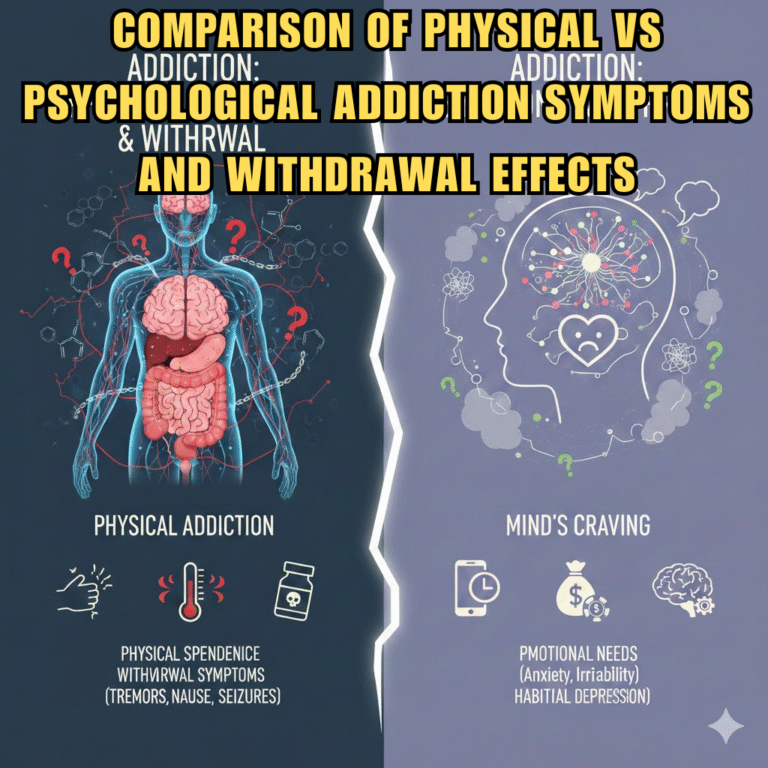
- Withdrawal symptoms differ: Physical addiction causes bodily distress (nausea, tremors), while psychological addiction causes emotional turmoil (anxiety, depression).
- Co-occurrence: Both types often occur at the same time, especially in severe substance use disorders.
- Treatment: Understanding physical vs psychological addiction is essential for choosing the right recovery path, such as medical detox versus behavioral therapy.
Introduction
understanding physical vs psychological addiction is essential for long-term recovery. Addiction is a complex condition that affects millions of people, often manifesting as either a substance use disorder or a behavioral compulsion. To navigate the path to recovery, it is vital to understand the nuances of physical vs psychological addiction. While they often overlap, they attack the recovery process from two different angles one through the body’s chemistry and the other through the mind’s coping mechanisms. This guide will help shed light on these two forms of addiction, their effects, and how they relate to your overall mental health.
According to the National Institute on Drug Abuse
What Is Physical Addiction? (Physical vs Psychological Addiction Explained)
Physical addiction, often referred to as physical dependence, happens when the body adapts to a substance to the point where it cannot function "normally" without it. Over time, the brain and body develop tolerance, meaning you require larger doses to achieve the same effect.
When the substance is removed, the body goes into a state of shock. This biological "rebellion" results in physical withdrawal symptoms, which are the hallmark of this type of dependence.
How Physical Addiction Develops in the Body
When you repeatedly use a substance, your body's chemistry begins to change. Your brain’s reward system, which releases chemicals that make you feel good, gets used to the substance's effects. This adaptation leads to tolerance, where you need to use more of the drug to feel the same pleasure you once did.
As your tolerance increases, your physical dependence grows stronger. Your brain chemistry is now altered to the point where it relies on the substance to maintain what it considers a normal state. The body has essentially rewired itself around the presence of the drug.
If you suddenly stop or reduce your drug use, your body goes into a state of shock, causing physical withdrawal symptoms. This happens because your system is trying to rebalance itself without the substance it has become dependent on. This physical response is a key difference in how physical addiction affects the body compared to psychological addiction, which is more rooted in the mind.
Common Signs and Symptoms of Physical Addiction
Recognizing the signs of physical addiction is the first step toward getting help. These physical symptoms appear because your body has a physical need for the substance to avoid withdrawal. The signs are often most obvious when someone tries to stop their substance abuse.
The most telling indicators are the withdrawal symptoms that occur when the substance is not available. These can range from mild discomfort to severe, life-threatening issues depending on the substance.
Some of the most common signs include:
- Nausea, vomiting, or sweating
- Shaking, chills, or muscle pain
- Increased tolerance, needing more of the substance for the same effect
- Experiencing seizures (especially with alcohol or benzodiazepine withdrawal)
These physical signs are distinct from the signs of psychological addiction, which are more emotional and mental.
Examples of Substances That Cause Physical Addiction
Many substances can lead to a strong physical addiction. Some of the most well-known are opioids, alcohol, and certain prescription painkillers. These drugs directly impact your brain and body, causing significant physical dependence over time.
For example, someone with an alcohol use disorder may start to experience tremors and sweating if they miss a drink. This is a classic sign of physical withdrawal. Similarly, opioid use can lead to painful muscle aches and intense nausea when a person tries to quit, showing how deeply the body relies on the drug.
Here are some examples of substances that are known to cause physical addiction:
| Substance Category | Examples |
|---|---|
| Opioids | Heroin, Prescription Painkillers (e.g., OxyContin) |
| Alcohol | Beer, Wine, Liquor |
| Benzodiazepines | Xanax, Klonopin, Valium |
| Nicotine | Cigarettes, Vaping Products |
Psychological Addiction Explained in Physical vs Psychological Addiction
In the debate of physical vs psychological addiction, the psychological side is often more "silent" but equally powerful. This form of addiction is a mental or emotional reliance on a substance or behavior to cope with life, stress, or trauma.
While your body might not "ache" for the substance, your mind perceives it as a necessary tool for survival or happiness. This is why behavioral addictions—like gambling or shopping—are classified here; there is no chemical ingested, yet the brain’s reward system is completely hijacked.
How Psychological Addiction Forms and Its Triggers
Psychological addiction takes root when a person repeatedly uses a substance or engages in a behavior to find emotional relief or pleasure. This creates a powerful cycle where the brain’s reward system learns to associate that action with feeling better. The mind starts to crave the substance or behavior as a primary coping mechanism for life's challenges.
Unlike physical addiction, this form is driven by the desire to escape feelings like stress, anxiety, or boredom. For instance, a person might start gambling to feel a rush of excitement that distracts them from loneliness. The brain releases dopamine during this activity, reinforcing it as a solution for negative emotions.
Over time, this psychological dependence deepens, impacting impulse control and overall mental health. The person becomes addicted to the emotional high, even if there are no physical withdrawal symptoms. The body isn't craving the substance, but the mind is.
Recognizing the Signs of Psychological Addiction
The signs of psychological addiction are more about behavior and mood than physical symptoms. These addictive behaviors can lead to serious negative consequences in your relationships, work, and personal life. A key indicator is continuing the behavior despite knowing it's causing harm.
You might notice a person becoming preoccupied with the substance or activity, spending a lot of time thinking about it, obtaining it, or using it. Their emotional state may seem dependent on whether they can engage in their addiction.
Common psychological symptoms include:
- An intense craving or compulsion to use a substance or do an activity
- A loss of interest in hobbies and activities you once enjoyed
- Continuing the behavior despite negative consequences
- Feeling irritable, anxious, or depressed when unable to engage in the behavior
These signs are very different from the physical symptoms of withdrawal seen in physical addiction.
Examples of Psychologically Addictive Behaviors and Substances
Psychological addiction can develop around both substances and behaviors. While some drugs create physical dependence, others are primarily psychologically addictive. This is because they create a powerful mental pull without causing significant physical withdrawal.
Behaviors like gambling, shopping, or excessive internet use are classic examples of psychological addiction. These activities trigger the brain’s reward system, leading to a compulsive need to repeat them for emotional satisfaction. With substances, marijuana and cocaine are often cited for their strong psychological pull.
Here are some examples of behaviors and substances that can cause psychological addiction:
| Category | Examples |
|---|---|
| Behaviors | Gambling, Shopping, Gaming, Excessive Exercise |
| Substances | Marijuana, Cocaine, Amphetamines, Some Inhalants |
Physical vs Psychological Addiction: Key Differences
The main difference between physical and psychological addiction lies in how they affect you. Physical addiction is about your body's dependence on a substance. You'll experience physical withdrawal symptoms if you stop using because your body needs the drug to function.
In contrast, psychological addiction is all about your mind's reliance on a substance or behavior. It’s an emotional or mental compulsion. While you might not have physical withdrawal, you can face intense emotional distress, like anxiety or depression. Understanding these differences helps clarify how various mental health conditions and addiction intertwine. Let's look closer at how each type affects the body and mind.
Effects on the Body vs the Mind
Physical addiction directly impacts your body, causing a wide range of health problems and physical side effects. Your body adapts its chemistry to the presence of a drug, leading to tolerance and a physical need for it. When you stop, you experience tangible withdrawal symptoms like shaking, nausea, or pain. The long-term effects can include serious organ damage and other chronic health issues.
On the other hand, psychological addiction primarily affects your mind and emotional state. It rewires the brain’s reward system, making you feel like you need a substance or behavior to cope with emotions or feel pleasure. This creates a compulsive drive that can override rational thought, even when you know there are harmful consequences.
While physical addiction is a bodily response, psychological addiction is a mental one. How physical addiction affects the body through withdrawal is very different from the emotional turmoil caused by psychological dependence. Both, however, can be equally destructive to your well-being.
Withdrawal Symptoms in Physical vs Psychological Addiction
Withdrawal is a key area where the two types of addiction differ. The withdrawal syndrome for physical addiction involves a set of clear, bodily responses as your system tries to readjust. These symptoms of withdrawal can be intensely uncomfortable and even dangerous.
Psychological addiction also involves withdrawal, but the symptoms are emotional and mental. Psychological withdrawal symptoms can be just as debilitating, making it incredibly hard to quit. You might feel a profound sense of emptiness, anxiety, or an inability to experience pleasure without the substance or behavior.
Here’s a comparison of withdrawal responses:
- Physical Withdrawal: Tremors, sweating, nausea, muscle pain, seizures.
- Psychological Withdrawal: Intense cravings, depression, anxiety, irritability, restlessness.
- Both can cause sleep disturbances and changes in appetite.
Yes, psychological addiction absolutely involves withdrawal symptoms, but they manifest as mental and emotional distress rather than a physical crisis.
Why Some Substances Cause Only One Type of Addiction
Why do some drugs cause physical dependence while others are mainly psychologically addictive? The answer lies in how each substance of choice interacts with your brain chemistry. Drugs that cause physical addiction, like opioids or alcohol, create such a profound change in the body that it can't function normally without them. They directly alter essential bodily processes.
Substances that are primarily psychologically addictive, such as marijuana or cocaine in some cases, work differently. They strongly affect the brain's reward and pleasure centers, creating a powerful mental craving. However, they don't typically cause the body to develop a physical dependency that leads to severe physical withdrawal symptoms.
Ultimately, the type of addiction a substance causes depends on its specific chemical properties and how it hijacks the brain and body. This is why some people can develop a psychological dependence on a behavior with no substance involved at all, while others struggle with a deep physical dependency on a drug.
Conclusion
In conclusion, By understanding physical vs psychological addiction, individuals and families can choose more effective, personalized treatment paths. understanding the distinctions between physical and psychological addiction is crucial for recognizing how they manifest in our lives and impact our well-being. Each type of addiction has its unique characteristics, symptoms, and effects on both body and mind. By being informed about these differences, we can approach treatment and recovery more effectively, ensuring that we address the specific needs of individuals struggling with either form of addiction. If you or someone you know is facing challenges related to addiction, remember that support is available. Reach out for help and take the first step towards a healthier future.
Frequently Asked Questions
Can someone experience both physical and psychological addiction at once?
Yes, absolutely. It's very common to experience both physical and psychological addiction simultaneously, especially with a substance use disorder. For example, a person addicted to opioids may endure intense physical withdrawal when they stop, while also battling the psychological craving and belief that they need the drug to cope with their mental health problems.
Are treatments for physical addiction different from those for psychological addiction?
Yes, treatments often differ. Treatment for physical addiction typically starts with a medically supervised detox to manage the physical need and withdrawal. In contrast, psychological dependence is primarily treated with therapies like CBT, support groups, and professional help to address the underlying emotional and mental drivers of the addiction.
How can you tell if someone is struggling more with physical or psychological addiction?
You can often tell by observing their withdrawal symptoms. If the person shows clear physical symptoms like shaking, sweating, or nausea when they stop substance abuse, it points to a physical struggle. If the main issues are psychological symptoms like intense cravings, depression, or anxiety without physical signs, it's likely more of a psychological battle.
About the author
Tim Stoddart
Spiritual gangster. I love dogs, music and the blank page. Grateful to be sober. Join my mailing list for TimStodz and join my Facebook Page.
Ready to take the next step?
Recovery starts with finding the right treatment. Browse rehab centers, detox programs, and sober living homes in our nationwide directory.
Choose your next step
Keep reading, with a purpose
Related guide
What is Sobriety? Understanding Your Path to True Freedom
Explore what sobriety truly means in this enlightening article, delving into its journey beyond physical abstinence to emotional and psychological freedom. Discover how therapies like CBT, DBT, and MAT, along with a holistic approach, are key to overcoming addiction. Learn about sobriety's positive impacts on relationships, mental health, and overall well-being, highlighting the profound sense of freedom and fulfillment it brings.
Related guide
Getting Sober: How to Start Safely and What to Do Today
If you want to get sober but do not know where to begin, start with the immediate questions: how to stop safely, who to ask for help, and what support you will need in the first few days.
Related guide
Staying Sober: A Practical Guide to Protecting Your Recovery
Once you stop drinking or using, there is still work, family, stress, and free time to figure out. Staying sober involves building routines and knowing who to call when you want to use again.
Leave a Reply
Your email address will not be published. Required fields are marked *