


At a Glance
Location
1601 East 4th Plain Boulevard, Vancouver, WA 98661
Phone
360-397-8246Primary Focus
Treatment Settings
Treatment Approaches
Special Programs
About Lifeline Connections Main Campus
Lifeline Connections Main Campus in Vancouver, WA has served the Pacific Northwest since 1962, offering a full continuum of addiction treatment and behavioral health care — from detoxification and residential treatment to outpatient programs and ongoing recovery support. Adults, youth, veterans, and women can access care through insurance or a sliding-fee scale, making long-term recovery more accessible across Clark County.
Lifeline Connections Main Campus, located at 1601 E 4th Plain Blvd in Vancouver, Washington, is a behavioral health and substance use treatment organization with more than six decades of community presence in Clark County and the broader Pacific Northwest. As one of the region's established recovery centers, Lifeline serves individuals dealing with substance use disorders alongside mental health conditions, including depression — recognizing that lasting recovery often requires addressing both at once. For families evaluating a long-term treatment partner rather than a short-term fix, the breadth of this organization's reach stands out.
Lifeline Connections provides one of the more complete continuums of care available in the Vancouver area. The facility offers detoxification, inpatient treatment, residential treatment, crisis residential services, and outpatient programming — meaning a person can move through multiple stages of recovery within the same organization rather than navigating a patchwork of providers. That kind of continuity matters for people serious about long-term sobriety, because transitions between care levels are often where recovery stalls.
What anchors the recovery experience at Lifeline Connections beyond active treatment is its commitment to what comes after. The organization provides recovery support services, housing support services, and alumni services — a set of aftercare resources that speaks directly to the practical challenges people face once formal treatment ends. For the Sober Nation community, where the conversation is about sustained recovery and not just the first step, those post-treatment pillars carry real weight.
Lifeline Connections serves adults, youth, children, women, and veterans — a notably wide population range that reflects the organization's role as a community-anchored resource rather than a narrowly specialized clinic. Payment is accessible: the center is in-network with most major insurance plans and offers a sliding-fee scale for those who qualify. Office hours run Monday through Friday, 8 AM to 5 PM. Families and individuals in the Vancouver, WA area or across the Pacific Northwest can reach the center directly at (360) 397-8246.
A Full Continuum of Addiction Treatment in Vancouver, WA
One of the most common obstacles in recovery is the gap between levels of care. People complete detox and have no residential bed. They finish inpatient treatment with no outpatient program lined up. Lifeline Connections Main Campus addresses this directly by offering detoxification, inpatient treatment, residential treatment, crisis residential services, and outpatient programming as part of a single integrated organization in Vancouver, Washington.
For individuals and families on the Sober Nation path — those thinking beyond the immediate crisis and planning for months or years of sustained sobriety — that continuity matters. Rather than rebuilding clinical relationships at each transition, clients can move through stages of their recovery within the same community-rooted organization. Lifeline also treats co-occurring mental health conditions, including depression, alongside substance use disorders, reflecting the reality that these challenges rarely arrive alone.
Aftercare, Alumni Services, and Life After Treatment
Getting through detox or completing a residential program is a milestone, not a finish line. Lifeline Connections recognizes this by building aftercare and recovery support directly into its service model. The organization offers recovery support services, housing support services, and alumni services — resources that address the practical, social, and community dimensions of life after formal treatment ends.
For the recovery community, alumni networks and housing support are not extras — they are often what determines whether sobriety sticks. Sober living transitions and peer connection in the months following residential or inpatient care are among the strongest predictors of long-term recovery outcomes. The fact that Lifeline has structured these supports as part of its continuum, rather than leaving clients to find them independently, makes it a meaningful option for those planning a long-term recovery strategy in the Pacific Northwest.
Who Lifeline Connections Serves
Lifeline Connections serves adults, youth, children, women, and veterans across Clark County and the Pacific Northwest. That breadth reflects an organization designed to function as a community resource rather than a specialty boutique clinic. Whether a family is seeking treatment for a teenager, a veteran is navigating substance use alongside the weight of service-related mental health challenges, or a woman is looking for a treatment setting that reflects her specific needs, Lifeline's population range is wide enough to accommodate.
Conditions treated include substance use disorders, mental health conditions, and depression — an acknowledgment that effective addiction treatment rarely isolates one diagnosis. For families researching recovery centers and trying to understand whether a facility is truly equipped for complex, real-world presentations, this dual focus on behavioral health and substance use is a practical differentiator worth noting.
Payment Options and How to Connect
Lifeline Connections Main Campus is in-network with most major insurance plans and offers a sliding-fee scale for individuals and families who qualify. For many people exploring rehab and substance abuse treatment options, cost is one of the first barriers — and having both insurance access and income-adjusted pricing removes two of the most common reasons people delay getting help.
The main campus is located at 1601 E 4th Plain Blvd, Building 17, Vancouver, WA 98661. Office hours run Monday through Friday, 8 AM to 5 PM. To speak with the team directly about treatment options, levels of care, or how to get started, call (360) 397-8246. For those in the Vancouver area or anywhere in the Pacific Northwest evaluating a long-term recovery partner, Lifeline Connections is a well-established place to start that conversation.
Why Choose Lifeline Connections Main Campus
- Established in 1962 — one of the Pacific Northwest's longest-standing behavioral health and substance use treatment organizations
- Full continuum of care under one roof: detoxification, inpatient, residential, crisis residential, and outpatient programs
- Dedicated aftercare infrastructure including recovery support services, housing support, and alumni services for sustained long-term recovery
- Serves a broad population including adults, youth, children, women, and veterans — making it a true community recovery resource
- Accessible financing through most major insurance plans and a sliding-fee scale for those who qualify
Frequently Asked Questions
What levels of care does Lifeline Connections offer for addiction treatment?
Lifeline Connections offers a full continuum of substance abuse treatment including detoxification, inpatient treatment, residential treatment, crisis residential services, and outpatient programming. This range means individuals can progress through different stages of recovery within the same organization, reducing the disruption that often comes with transitioning between providers.
Does Lifeline Connections provide aftercare and support after completing a program?
Yes. Lifeline Connections offers recovery support services, housing support services, and alumni services as part of its continuum. These aftercare resources are designed to support individuals after they complete inpatient or residential treatment, helping bridge the gap between structured programming and independent sober living.
What populations does Lifeline Connections serve?
Lifeline Connections serves adults, youth, children, women, and veterans. The organization is designed to function as a broad community resource in Clark County and across the Pacific Northwest, making it accessible to a wide range of individuals and families seeking addiction treatment and behavioral health services.
Does Lifeline Connections treat mental health conditions alongside substance use?
Yes. Lifeline Connections treats substance use disorders, mental health conditions, and depression. Addressing both substance use and co-occurring mental health challenges within the same organization is a practical advantage for individuals whose recovery involves more than one diagnosis.
What payment options are available at Lifeline Connections?
Lifeline Connections is in-network with most major insurance plans and offers a sliding-fee scale for those who qualify. These two options make the center more financially accessible for individuals and families across a range of income levels who are planning for longer-term addiction treatment and recovery.
Where is Lifeline Connections located and what areas does it serve?
The main campus is located at 1601 E 4th Plain Blvd, Building 17, Vancouver, WA 98661. Lifeline Connections serves individuals and families in Vancouver, WA and across the broader Pacific Northwest region.
Does Lifeline Connections offer outpatient programs for ongoing recovery?
Yes. Outpatient programming is one of the levels of care available at Lifeline Connections, alongside detoxification, inpatient, residential, and crisis residential services. Outpatient programs can support individuals transitioning from higher levels of care or those whose circumstances are better suited to a less intensive structure.
How long has Lifeline Connections been operating?
Lifeline Connections was founded in 1962, giving the organization more than six decades of experience providing behavioral health and substance use treatment in Clark County and the Pacific Northwest. That longevity reflects deep roots in the local recovery community.
What is the difference between residential treatment and crisis residential services at Lifeline Connections?
Residential treatment at Lifeline Connections provides structured, longer-term live-in care for individuals in addiction recovery. Crisis residential services are designed for shorter-term stabilization during acute periods of need. Both are available within Lifeline's continuum, allowing the organization to respond to different points in a person's recovery journey.
How can I contact Lifeline Connections to learn more or get started?
You can reach Lifeline Connections Main Campus by phone at (360) 397-8246. Office hours are Monday through Friday, 8 AM to 5 PM. The center is located at 1601 E 4th Plain Blvd, Building 17, Vancouver, WA 98661.
Nearby Treatment Centers

VA Portland Healthcare System Substance Abuse Treatment Program
Vancouver, WA
- Detox
- IOP
- MAT
Substance use treatment · Cognitive behavioral therapy · Dialectical behavior therapy
Accepts: Private health insurance, Military insurance
Starting Point Inc
Vancouver, WA
- IOP
Substance use treatment · Does not treat opioid addiction · Substance abuse counseling
Accepts: Cash or self-payment
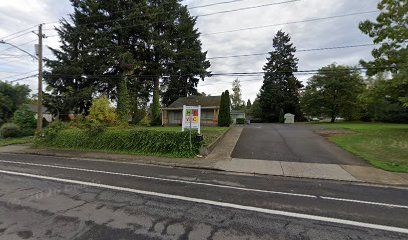
Helping Professionals Wellness Center
Vancouver, WA
- IOP
Substance use treatment · Does not treat opioid addiction · Cognitive behavioral therapy
Accepts: Cash or self-payment, Medicaid, State-financed health insurance plan other than Medicaid
Columbia Treatment Services
Vancouver, WA
- IOP
Substance use treatment · Accepts clients on opioid medication but prescribed elsewhere · Cognitive behavioral therapy
Accepts: Cash or self-payment, State-financed health insurance plan other than Medicaid, Private health insurance
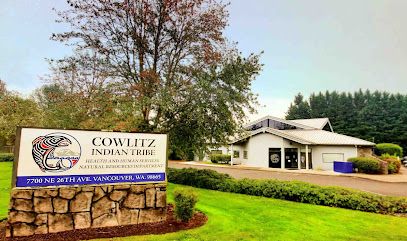
Cowlitz Tribal Treatment Vancouver
Vancouver, WA
- IOP
Substance use treatment · Accepts clients on opioid medication but prescribed elsewhere · Cognitive behavioral therapy
Accepts: Cash or self-payment, Medicaid, State-financed health insurance plan other than Medicaid
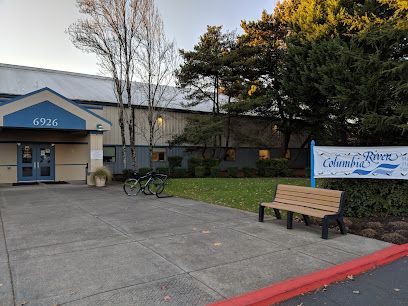
Columbia River Mental Health Services NorthStar
Vancouver, WA
- IOP
- MAT
Substance use treatment · All Clients in Opioid Treatment Program · SAMHSA-certified Opioid Treatment Program
Accepts: Cash or self-payment, Medicaid, State-financed health insurance plan other than Medicaid