57 Drug & Alcohol Rehabs In Wyoming

Find a free or private addiction rehab center in Wyoming. Use our search-by-city tool to find recovery near you.

Drug and alcohol rehab centers in Wyoming

57 centers found (41–57)

Big Horn Basin Counseling Services

Lovell, WY

  • IOP

Substance use treatment · Accepts clients on opioid medication but prescribed elsewhere · Cognitive behavioral therapy

Accepts: Cash or self-payment, Medicaid, State-financed health insurance plan other than Medicaid

Aspire Counseling LLC

Gillette, WY

  • IOP

Substance use treatment · Accepts clients on opioid medication but prescribed elsewhere · Cognitive behavioral therapy

Accepts: Cash or self-payment, Medicaid, Private health insurance

Fremont Counseling Service facility photo

Fremont Counseling Service

Lander, WY

  • IOP

Substance use treatment · Accepts clients on opioid medication but prescribed elsewhere · Cognitive behavioral therapy

Accepts: Cash or self-payment, Medicaid, Medicare

Fremont Counseling Service facility photo

Fremont Counseling Service

Riverton, WY

  • IOP

Substance use treatment · Accepts clients on opioid medication but prescribed elsewhere · Cognitive behavioral therapy

Accepts: Cash or self-payment, Medicaid, Medicare

Center of Hope facility photo

Center of Hope

Riverton, WY

  • Detox
  • Residential
  • Sober Living

Substance use treatment · Accepts clients on opioid medication but prescribed elsewhere · Cognitive behavioral therapy

Accepts: Cash or self-payment, Sliding fee scale, Payment assistance

Access Balance and Change Inc

Rock Springs, WY

  • IOP

Substance use treatment · Accepts clients on opioid medication but prescribed elsewhere · Cognitive behavioral therapy

Accepts: Cash or self-payment, Medicaid, Private health insurance

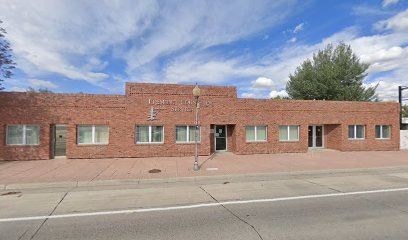
Cathedral Home for Children facility photo

Cathedral Home for Children

Laramie, WY

  • Residential

Substance use treatment · Does not treat opioid addiction · Cognitive behavioral therapy

Accepts: Medicaid, State-financed health insurance plan other than Medicaid, Private health insurance

Clear Creek Counseling

Gillette, WY

  • Outpatient

Substance use treatment · Does not use medication for opioid addiction · Cognitive behavioral therapy

Accepts: Cash or self-payment, Private health insurance

Do you need help finding rehab in Wyoming?

Our sponsored hotline can help you compare treatment options and next steps.

Wyoming is the least populous state in the country, and that single fact shapes nearly everything about finding treatment here. An estimated 587,618 residents (2024 U.S. Census Bureau estimate) are spread across almost 98,000 square miles of high plains, wind-scoured basins, and mountain ranges, which means the nearest inpatient bed can sit several hours' drive from home. Many of Wyoming's counties carry a federal "frontier" designation, and outside of Cheyenne and Casper there are no large metropolitan areas to anchor a dense network of providers. Recovery culture here tends to mirror the state itself: self-reliant, private, and organized around ranching, mining, and energy-sector schedules that rarely pause for a 30-day program. Wyoming also remains one of the states that has not expanded Medicaid under the Affordable Care Act, a policy choice that narrows coverage for low-income adults seeking addiction care and pushes many toward grant-funded or self-pay options. Distance, privacy, and coverage gaps are the three realities that most shape access here, and it is worth understanding all three before you compare the 57 centers listed across the state.

Rehab Statistics in Wyoming

Sober Nation lists 57 treatment centers across Wyoming, and they cluster where the population does. Cheyenne leads with 9 listed centers, followed by Rock Springs and Gillette with 5 each, then Casper and Sheridan with 4 apiece. Cody and Laramie list 3 each, while Riverton, Lander, and Afton each list 2 — a reminder that much of the state relies on a small number of programs, and that some residents will look toward a regional hub rather than their own town.

Across all 57 centers, outpatient care is the most widely available service at 82%, followed by medication-assisted treatment at 61%. More intensive options are scarcer: 28% of listed centers offer residential care and 25% provide medically supervised detox. Aftercare is nearly universal at 91%, which matters because sustained follow-up is one of the strongest predictors of lasting recovery.

Statewide need is substantial: an estimated 17.9% of Wyoming residents aged 12 or older met the criteria for a substance use disorder in the past year, and among those who needed substance use treatment, about 72% did not receive it (SAMHSA, National Survey on Drug Use and Health, 2022–2023). Overdose deaths are tracked separately: Wyoming recorded 120 drug overdose deaths among residents in 2023, up from 110 in 2022, with fentanyl and methamphetamine the substances most frequently involved (Wyoming Department of Health).

Levels of Care Available in Wyoming

The mix of services listed statewide can help you decide where to start.

  • Detox (25% of centers) — medically supervised withdrawal, the safest first step when stopping alcohol, benzodiazepines, or opioids. It is the least available level in Wyoming, so a bed may require travel or a short wait.
  • Residential (28%) — living on-site with structured, around-the-clock support, usually after detox and typically for several weeks.
  • Outpatient (82%) — by far the most common option here; you live at home and attend scheduled sessions, which fits the long commutes and work-and-family obligations common across the state.
  • Medication-assisted treatment (61%) — FDA-approved medications such as buprenorphine, methadone, or naltrexone paired with counseling; the recognized standard of care for opioid and alcohol use disorders.
  • Aftercare (91%) — ongoing support once formal treatment ends, from alumni groups to continued counseling, and offered by almost every listed center.

If detox or residential care is not nearby, an outpatient or MAT provider is frequently the most realistic and immediate entry point.

Paying for Rehab in Wyoming

Cost is often the deciding factor, and coverage in Wyoming leans heavily on public insurance. Among listed centers, 93% accept Medicaid and 67% accept Medicare, so if you or your loved one qualifies for either, the large majority of programs in the state are within reach.

That said, Wyoming has not adopted Medicaid expansion, which means childless adults and many low-income residents who would be covered in expansion states may not qualify here. It is an important gap to check before assuming Medicaid will pay. Under the federal Mental Health Parity and Addiction Equity Act, health plans that cover substance use treatment generally cannot apply stricter limits to it than to other medical care, though deductibles, networks, and covered amounts vary widely by plan. For residents who are uninsured or underinsured, the state's behavioral health authority — the Wyoming Department of Health, Behavioral Health Division — funds block-grant and sliding-scale services through contracted providers.

Whatever your coverage, confirm the specifics — what is covered, what is out of pocket, and whether the center is in network — directly with the program before admission.

State Resources & Substance Abuse Organizations

A few statewide organizations can point you toward help and lower-cost services. The Wyoming Department of Health, Behavioral Health Division is the state's SAMHSA-designated single state agency for substance abuse services; it administers federal block-grant funding and can direct you to state-supported and sliding-scale providers. If you are not sure where to begin, the division can provide a current list of licensed and grant-funded programs in your region.

NAMI Wyoming, the state chapter of the National Alliance on Mental Illness, offers free education, family support groups, and referral help for people managing addiction alongside a mental health condition. Residents of the Wind River Reservation can also reach behavioral health and substance use services through Wind River Family and Community Health Care (Wind River Cares), the tribally operated health system that serves the reservation.

And if you or someone you love is in crisis, the 988 Suicide & Crisis Lifeline connects you — by call or text to 988 — with trained counselors 24 hours a day, including support for substance use emergencies. Every one of these resources is free to contact.

Frequently Asked Questions

How far will I have to travel for inpatient rehab in Wyoming?
It depends on where you live. With only about a quarter of listed centers offering detox or residential care, many rural residents drive several hours to the nearest inpatient bed, often to a hub like Cheyenne or Casper. Ask each center about wait times and whether telehealth can bridge the gap.
Does Wyoming Medicaid cover addiction treatment?
Yes, Wyoming Medicaid covers substance use treatment, and 93% of the centers listed here accept it. But because Wyoming has not adopted Medicaid expansion, many low-income adults without dependents may not qualify at all. Check your eligibility first, then confirm which services a specific program bills to Medicaid before you enroll.
Can I get help in Wyoming if I don't have insurance?
Yes. The Wyoming Department of Health's Behavioral Health Division funds block-grant and sliding-scale services for uninsured and underinsured residents, and many outpatient programs work with limited budgets. Contacting the state agency or calling 988 is a good first step toward finding low-cost or no-cost options near you.

Sources

  1. 1.Wyoming's total resident population (basis for the least-populous-state framing). https://www.census.gov/quickfacts/WY
  2. 2.Wyoming has not expanded Medicaid under the Affordable Care Act (intro policy reference). https://www.kff.org/medicaid/status-of-state-medicaid-expansion-decisions/
  3. 3.Wyoming past-year substance use prevalence and the treatment gap (share of residents who needed but did not receive treatment). https://www.samhsa.gov/data/sites/default/files/reports/rpt56188/2023-nsduh-sae-state-tables_0/2023-nsduh-sae-state-tabs-wyoming.pdf
  4. 4.Wyoming drug overdose totals (120 resident overdose deaths in 2023, up from 110 in 2022; fentanyl and methamphetamine most frequently involved). https://health.wyo.gov/states-2023-death-birth-marriage-and-divorce-totals-described/
  5. 5.Wyoming's non-adoption of Medicaid expansion and the resulting coverage gap for childless and low-income adults. https://www.kff.org/medicaid/how-many-uninsured-are-in-the-coverage-gap-and-how-many-could-be-eligible-if-all-states-adopted-the-medicaid-expansion/
  6. 6.Federal mental health parity law (MHPAEA) requires plans that cover substance use treatment to do so no more restrictively than other medical care. https://www.cms.gov/marketplace/private-health-insurance/mental-health-parity-addiction-equity
  7. 7.Wyoming's behavioral health authority funds block-grant and sliding-scale substance use services for uninsured/underinsured residents. https://health.wyo.gov/behavioralhealth/
  8. 8.Official URL for the Wyoming Department of Health, Behavioral Health Division (state single state agency). https://health.wyo.gov/behavioralhealth/
  9. 9.Official URL for NAMI Wyoming. https://namiwyoming.com/
  10. 10.Official URL for the Wind River Reservation tribal behavioral health programs (Wind River Family and Community Health Care / Wind River Cares). https://windrivercares.com/
  11. 11.Official URL for the 988 Suicide & Crisis Lifeline. https://988lifeline.org/