
Tri County Comm Action Agency
Johnston, RI
- Outpatient
- MAT
Substance use treatment · Cognitive behavioral therapy · Substance abuse counseling
Accepts: Cash or self-payment, Medicaid, Medicare


Find a free or private addiction rehab center in Rhode Island. Use our search-by-city tool to find recovery near you.
61 centers found (21–40)
Centers must offer every checked Level of Care. Other categories match any checked option within each category.
Johnston, RI
Substance use treatment · Cognitive behavioral therapy · Substance abuse counseling
Accepts: Cash or self-payment, Medicaid, Medicare
Woonsocket, RI
Substance use treatment · Accepts clients on opioid medication but prescribed elsewhere · Cognitive behavioral therapy
Accepts: Cash or self-payment, Medicaid, State-financed health insurance plan other than Medicaid
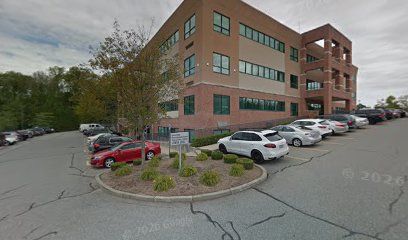
Westerly, RI
Substance use treatment · SAMHSA-certified Opioid Treatment Program · Cognitive behavioral therapy
Accepts: Cash or self-payment, Medicaid, State-financed health insurance plan other than Medicaid
Providence, RI
Substance use treatment · Accepts clients on opioid medication but prescribed elsewhere · Cognitive behavioral therapy
Accepts: Cash or self-payment, Medicaid, Medicare
North Providence, RI
Substance use treatment · Cognitive behavioral therapy · Substance abuse counseling
Accepts: Cash or self-payment, Medicaid, Medicare
Providence, RI
Substance use treatment · Accepts clients on opioid medication but prescribed elsewhere · Cognitive behavioral therapy
Accepts: Cash or self-payment, Medicaid, State-financed health insurance plan other than Medicaid

North Kingstown, RI
Substance use treatment · Accepts clients on opioid medication but prescribed elsewhere · SAMHSA-certified Opioid Treatment Program
Accepts: Cash or self-payment, Medicaid, Private health insurance
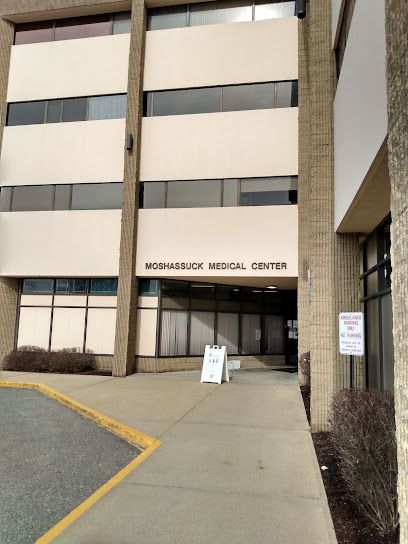
Providence, RI
Substance use treatment · Accepts clients on opioid medication but prescribed elsewhere · Cognitive behavioral therapy
Accepts: Cash or self-payment, Medicaid, Medicare
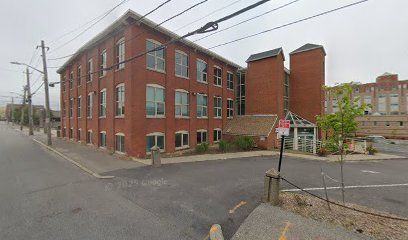
Providence, RI
Substance use treatment · Cognitive behavioral therapy · Dialectical behavior therapy
Accepts: Cash or self-payment, Medicare, State-financed health insurance plan other than Medicaid
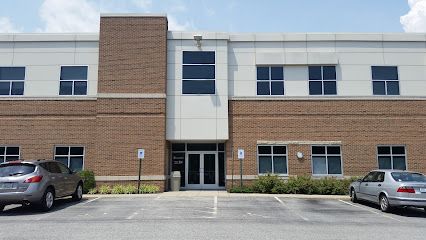
Warwick, RI
Substance use treatment · Accepts clients on opioid medication but prescribed elsewhere · Cognitive behavioral therapy
Accepts: Cash or self-payment, Medicaid, Medicare
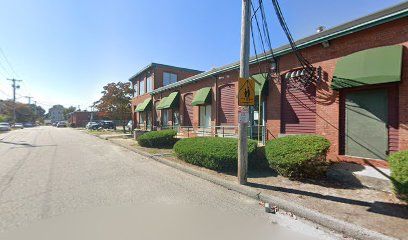
Pawtucket, RI
Substance use treatment · Accepts clients on opioid medication but prescribed elsewhere · Cognitive behavioral therapy
Accepts: Cash or self-payment, Medicaid, Medicare
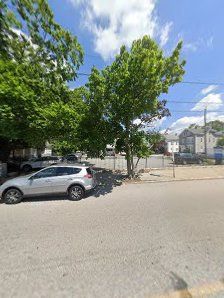
Pawtucket, RI
Substance use treatment · All Clients in Opioid Treatment Program · SAMHSA-certified Opioid Treatment Program
Accepts: Cash or self-payment, Medicaid, Private health insurance
Wyoming, RI
Substance use treatment · Accepts clients on opioid medication but prescribed elsewhere · Cognitive behavioral therapy
Accepts: Cash or self-payment, Medicaid, State-financed health insurance plan other than Medicaid

Providence, RI
Substance use treatment · Accepts clients on opioid medication but prescribed elsewhere · Cognitive behavioral therapy
Accepts: Cash or self-payment, Medicaid, Medicare
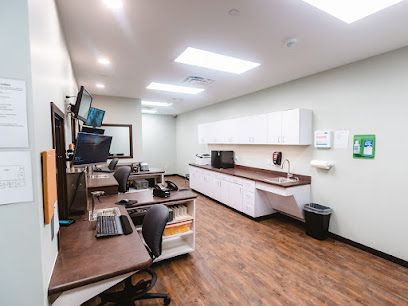
Providence, RI
Substance use treatment · All Clients in Opioid Treatment Program · SAMHSA-certified Opioid Treatment Program
Accepts: Cash or self-payment, Medicaid, Medicare

Cranston, RI
Substance use treatment · Accepts clients on opioid medication but prescribed elsewhere · Cognitive behavioral therapy
Accepts: Cash or self-payment, Medicaid, State-financed health insurance plan other than Medicaid
Woonsocket, RI
Substance use treatment · All Clients in Opioid Treatment Program · SAMHSA-certified Opioid Treatment Program
Accepts: Cash or self-payment, Medicaid, Medicare
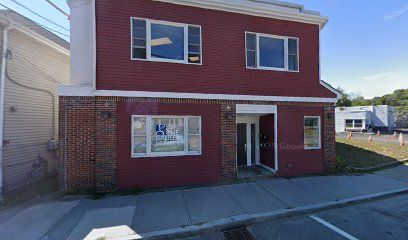
Narragansett, RI
Substance use treatment · Accepts clients on opioid medication but prescribed elsewhere · Cognitive behavioral therapy
Accepts: Cash or self-payment, Medicaid, State-financed health insurance plan other than Medicaid
Wakefield, RI
Substance use treatment · Accepts clients on opioid medication but prescribed elsewhere · Cognitive behavioral therapy
Accepts: Cash or self-payment, Medicaid, State-financed health insurance plan other than Medicaid
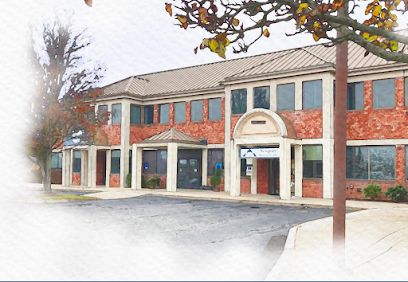
Middletown, RI
Substance use treatment · Accepts clients on opioid medication but prescribed elsewhere · Cognitive behavioral therapy
Accepts: Cash or self-payment, Medicaid, Medicare
To receive immediate placement help from a treatment representative, call the sponsored hotline — available 24/7.
Rhode Island is the smallest state in the country, and its scale changes what getting help actually looks like. You can drive from Woonsocket at the Massachusetts line to Westerly on the Connecticut border in a little over an hour, so for most residents the obstacle to treatment is rarely raw distance the way it is across the rural West — it is bed availability, insurance approval, and knowing which door to knock on first. The population is concentrated in and around Providence, and the state's listed programs cluster there too. Rhode Island has also taken an unusually assertive stance on harm reduction, becoming the first state in the nation to authorize state-sanctioned overdose prevention centers, under a law enacted in 2021. And it expanded Medicaid under the Affordable Care Act in 2014, a policy choice that reshaped who can actually afford treatment. If you or a loved one is looking here, the reassuring part is that no corner of the state is truly far from a program — the harder work is matching real need to the right level of care.
Sober Nation lists 61 treatment centers across Rhode Island. Because the state is so compact, those programs still reach most of its communities, but they lean heavily toward the population centers. Providence alone accounts for 15 of the listed centers — the single largest concentration — followed by Pawtucket and Warwick with 6 each and Cranston with 5. Clusters of three appear in Middletown, Wakefield, Woonsocket, and Johnston, while Newport and Exeter list 2 apiece. That distribution tracks the state's geography: the Providence metro core holds the most options, while South County and Aquidneck Island communities offer fewer but real choices closer to home.
Statewide need remains substantial, even though the trend has finally turned. After several years of rising drug deaths, Rhode Island's accidental overdose fatalities have fallen sharply — from 436 in 2022 to 404 in 2023, then 329 in 2024 and 219 in 2025, the fewest since 2012. Even so, the underlying need is large: federal survey data put past-year substance use disorder prevalence at about 21.8% of residents aged 12 or older — roughly one in five — and estimate that 78.7% of those who needed substance use treatment did not receive it (2022–2023 average). Numbers like these are worth checking against the most recent state releases before you rely on them.
Where you start depends on how severe the substance use is and what your body needs to stabilize. In Rhode Island, the listed programs break down like this:
Most people move through several of these levels rather than settling into just one, so it is normal to begin with detox or inpatient and step down to outpatient and aftercare over time.
For most Rhode Islanders, cost is the first real question, and insurance is usually the answer. Nearly all listed centers — 95% — accept Medicaid, which makes the state's Medicaid program the widest single door into treatment here; if you qualify, your options are broad. Medicare is accepted by 46% of listed centers, relevant for residents who are 65 or older or who qualify through a disability. Private insurance is widely accepted too, and the federal Mental Health Parity and Addiction Equity Act requires most health plans that cover substance use treatment to do so on terms no more restrictive than those they apply to other medical care. If you are uninsured, ask each program directly about sliding-scale fees, state-funded treatment slots, and payment plans — availability varies from center to center, and the only way to know is to call and ask. Do not assume you cannot afford care before you have confirmed what your coverage actually includes; the distance between 'no' and 'covered' is often a single phone call.
If you are not sure where to begin, a few state-level starting points can point you toward legitimate help. Rhode Island's designated single state agency for substance use services is the Department of Behavioral Healthcare, Developmental Disabilities and Hospitals (BHDDH), which oversees and funds much of the public treatment system and can direct you to state-supported programs (bhddh.ri.gov). For mental health support — which so often runs alongside addiction — NAMI Rhode Island, the state chapter of the National Alliance on Mental Illness, offers free education, support groups, and a help line for individuals and families. And if you or someone you love is in crisis right now, the 988 Suicide & Crisis Lifeline connects you to trained counselors 24 hours a day by call or text, with support for substance use as well as suicidal thoughts. None of these will judge you for reaching out — that is exactly what they are there for.
Speak with a treatment representative about programs across Rhode Island.
Finding treatment is a personal decision. We help you compare options, explain how advertising works on our site, and give you a way to flag information that needs updating.
Facility listings show contact details so you can ask a center about its services, availability and costs.
Our listing standardsFeatured listings and the sponsored helpline are advertising. A paid placement is not a clinical recommendation.
About advertisingPrograms and availability can change. Confirm licensing, services and insurance coverage directly with a facility before choosing care.
How listings workSee an outdated phone number or a closed facility? Let us know. Facility representatives can also request access to update their listing.
Report a correction