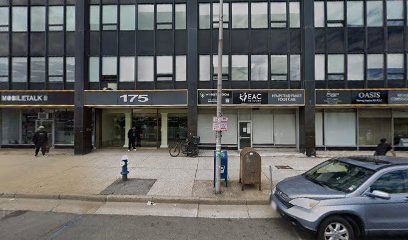
Counseling Service of EDNY Hempstead OP
Hempstead, NY
- Detox
- Outpatient
- MAT
Substance use treatment · Accepts clients on opioid medication but prescribed elsewhere · Cognitive behavioral therapy
Accepts: Cash or self-payment, Medicaid, Medicare


Find a free or private addiction rehab center in New York. Use our search-by-city tool to find recovery near you.
863 centers found (41–60)
Centers must offer every checked Level of Care. Other categories match any checked option within each category.
Hempstead, NY
Substance use treatment · Accepts clients on opioid medication but prescribed elsewhere · Cognitive behavioral therapy
Accepts: Cash or self-payment, Medicaid, Medicare
Staten Island, NY
Substance use treatment · Cognitive behavioral therapy · Dialectical behavior therapy
Accepts: Cash or self-payment, Medicaid, Medicare
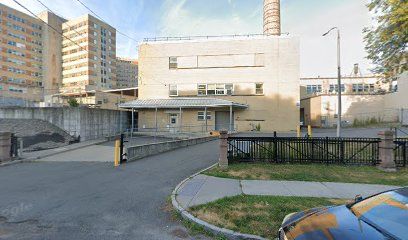
Albany, NY
Substance use treatment · Cognitive behavioral therapy · Dialectical behavior therapy
Accepts: Cash or self-payment, Medicaid, Medicare
Potsdam, NY
Substance use treatment · Cognitive behavioral therapy · Dialectical behavior therapy
Accepts: Medicaid, Medicare, State-financed health insurance plan other than Medicaid

Amityville, NY
Substance use treatment · Accepts clients on opioid medication but prescribed elsewhere · Cognitive behavioral therapy
Accepts: Cash or self-payment, Medicaid, State-financed health insurance plan other than Medicaid
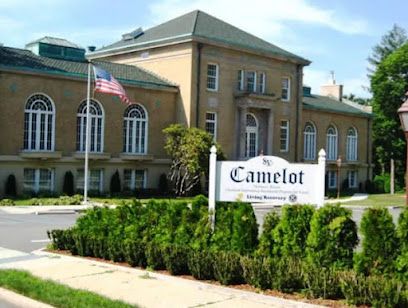
Staten Island, NY
Substance use treatment · Cognitive behavioral therapy · Substance abuse counseling
Accepts: Cash or self-payment, Medicaid, State-financed health insurance plan other than Medicaid
New York, NY
Substance use treatment · Accepts clients on opioid medication but prescribed elsewhere · Cognitive behavioral therapy
Accepts: Cash or self-payment, Medicaid, Medicare

New York, NY
Substance use treatment · All Clients in Opioid Treatment Program · SAMHSA-certified Opioid Treatment Program
Accepts: Cash or self-payment, Medicaid, Active duty military
Bronx, NY
Substance use treatment · All Clients in Opioid Treatment Program · SAMHSA-certified Opioid Treatment Program
Accepts: Cash or self-payment, Medicaid, Medicare
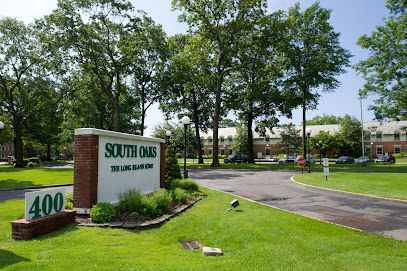
Amityville, NY
Substance use treatment · Accepts clients on opioid medication but prescribed elsewhere · SAMHSA-certified Opioid Treatment Program
Accepts: Cash or self-payment, Medicaid, Medicare
Garrison, NY
Substance use treatment · Cognitive behavioral therapy · Dialectical behavior therapy
Accepts: Cash or self-payment, Medicaid, Medicare
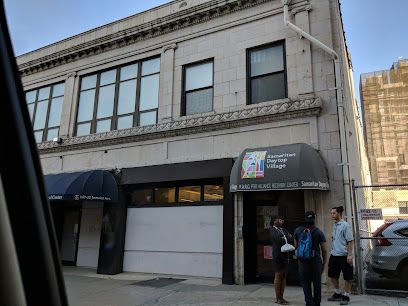
Jamaica, NY
Substance use treatment · Accepts clients on opioid medication but prescribed elsewhere · Cognitive behavioral therapy
Accepts: Cash or self-payment, Medicaid, State-financed health insurance plan other than Medicaid
Bronx, NY
Substance use treatment · Accepts clients on opioid medication but prescribed elsewhere · Cognitive behavioral therapy
Accepts: Cash or self-payment, Medicaid, State-financed health insurance plan other than Medicaid
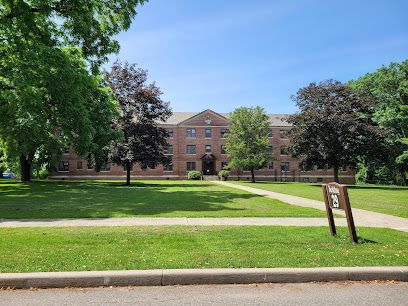
Montrose, NY
Substance use treatment · Accepts clients on opioid medication but prescribed elsewhere · Cognitive behavioral therapy
Accepts: Cash or self-payment, State-financed health insurance plan other than Medicaid, Private health insurance
New York, NY
Substance use treatment · Cognitive behavioral therapy · Substance abuse counseling
Accepts: Medicaid, State-financed health insurance plan other than Medicaid, Private health insurance

New York, NY
Substance use treatment · Cognitive behavioral therapy · Dialectical behavior therapy
Accepts: Cash or self-payment, Medicaid, Medicare

New York, NY
Substance use treatment · All Clients in Opioid Treatment Program · SAMHSA-certified Opioid Treatment Program
Accepts: Cash or self-payment, Medicaid, Active duty military
North Babylon, NY
Substance use treatment · Accepts clients on opioid medication but prescribed elsewhere · Cognitive behavioral therapy
Accepts: Cash or self-payment, Medicaid, Medicare

Bronx, NY
Substance use treatment · Accepts clients on opioid medication but prescribed elsewhere · Cognitive behavioral therapy
Accepts: Cash or self-payment, Medicaid, State-financed health insurance plan other than Medicaid
Rochester, NY
Substance use treatment · Accepts clients on opioid medication but prescribed elsewhere · Cognitive behavioral therapy
Accepts: Cash or self-payment, Medicaid, Medicare
To receive immediate placement help from a treatment representative, call the sponsored hotline — available 24/7.
New York's treatment options split along a sharp geographic line. Downstate — the five boroughs of New York City, Long Island, and the lower Hudson Valley — holds most of the state's 863 listed centers, with 112 in Manhattan alone and dense clusters across Brooklyn, the Bronx, and Staten Island. Upstate, from the Southern Tier to the North Country, programs are spread thin across long rural distances, so someone in a small county may drive an hour or more to reach the nearest one.
The state also stands out for its harm-reduction posture. New York City authorized the nation's first two officially sanctioned overdose prevention centers, which opened in Manhattan in November 2021 (OnPoint NYC), and the state's Good Samaritan law shields people who call 911 during an overdose from certain drug-possession charges (NYS Department of Health). Addiction care here is coordinated by a dedicated state agency rather than folded into a general health department, which shapes how programs are certified and funded. New York's population is also unusually diverse, and many programs offer services in multiple languages or tailored to specific communities — a real consideration when culture and language affect whether treatment holds. Whether you live in New York or are weighing traveling here for treatment, the options are broad, and each one is worth vetting carefully before you commit.
Sober Nation lists 863 treatment centers across New York State, and they cluster where the population does. Manhattan — labeled simply New York in the directory — anchors the total with 112 listed programs, followed by Brooklyn (67) and the Bronx (61). Staten Island adds another 23. Beyond the five boroughs, upstate hubs carry much of the remainder: Rochester (41), Buffalo (36), Albany (25), Syracuse (18), and smaller counts in Binghamton (12) and Poughkeepsie (12). That pattern tracks where most New Yorkers live, but it also means residents of rural counties often have far fewer options within easy reach — one reason telehealth and traveling for care come up so often upstate.
Directory counts show supply, not need, and the two do not always line up. About 16.8% of New Yorkers ages 12 and older — roughly 2.8 million people — reported a substance use disorder in the past year (SAMHSA NSDUH, 2022–2023). The treatment gap is wide: nationally, only about 1 in 6 people with a substance use disorder received any treatment in 2023, so most go without care (SAMHSA NSDUH, 2023). Overdose deaths, now driven heavily by fentanyl, are tracked separately — an estimated 4,449 New Yorkers died from a drug overdose in 2024, roughly 21 per 100,000 residents, with fentanyl and other synthetic opioids involved in most of those deaths (CDC WONDER, 2024). Reading those figures next to the center counts above gives a fuller picture of both demand and the capacity available to meet it.
Treatment is organized into levels of care, and where you start depends on how severe withdrawal and daily use have become. Medically supervised detox — offered by 22% of listed New York centers — is the entry point when stopping alcohol, opioids, or benzodiazepines could be physically dangerous. It stabilizes the body but is not, on its own, a complete course of treatment. Residential or inpatient care, available at 28% of centers, provides 24-hour structure and suits people who need to step fully away from their environment for a time. Outpatient programs are the most common option at 66%, letting you live at home while attending scheduled sessions — often the right fit after detox, or for someone with a milder condition and strong support at home. Medication-assisted treatment (MAT), offered by 73% of listed centers, pairs FDA-approved medications such as buprenorphine or methadone with counseling, and is considered a standard of care for opioid use disorder. Aftercare, the most widely available at 85%, keeps support and accountability in place once formal treatment ends — the stretch when relapse risk is often highest.
Cost is often the first barrier people raise, but coverage in New York is comparatively broad. Ninety percent of listed centers accept Medicaid and 54% accept Medicare, which means most programs work with public insurance rather than private plans alone. That high Medicaid figure matters because New York expanded Medicaid eligibility under the Affordable Care Act, widening access to addiction treatment for low-income adults (New York implemented expansion on January 1, 2014; KFF). State and federal parity rules also require many health plans to cover behavioral health, including substance use treatment, on terms comparable to medical and surgical care (federal Mental Health Parity and Addiction Equity Act; CMS). If you are uninsured or underinsured, New York's addiction agency funds and certifies programs that cannot turn you away for inability to pay, and many offer sliding-scale fees or free care to those who qualify (NYS OASAS). Before you enroll anywhere, confirm exactly what a center bills for — detox, medication, and residential stays are frequently covered under different rules. Ask for a written estimate and get answers in plain language. You are your own best advocate here, and reputable programs will expect the questions.
If you are not sure where to begin, a few New York organizations can point you toward vetted help. The state's designated Single State Agency for addiction is the New York State Office of Addiction Services and Supports (OASAS), which certifies treatment providers, maintains a searchable directory, and operates a confidential HOPEline (1-877-8-HOPENY) for support and referrals. For the mental-health concerns that so often accompany substance use, the state chapter NAMI New York State (NAMI-NYS) offers education, family support groups, and connections to local affiliates. And if you or someone you love is in immediate crisis, the 988 Suicide and Crisis Lifeline connects you with trained counselors by phone call or text, 24 hours a day. None of these commits you to anything — a single call can help you weigh options before you decide on a program.
Speak with a treatment representative about programs across New York.
Finding treatment is a personal decision. We help you compare options, explain how advertising works on our site, and give you a way to flag information that needs updating.
Facility listings show contact details so you can ask a center about its services, availability and costs.
Our listing standardsFeatured listings and the sponsored helpline are advertising. A paid placement is not a clinical recommendation.
About advertisingPrograms and availability can change. Confirm licensing, services and insurance coverage directly with a facility before choosing care.
How listings workSee an outdated phone number or a closed facility? Let us know. Facility representatives can also request access to update their listing.
Report a correction