Communicare Yalobusha County Office
Water Valley, MS
- Outpatient
- MAT
Substance use treatment · Accepts clients on opioid medication but prescribed elsewhere · Cognitive behavioral therapy
Accepts: Cash or self-payment, Medicaid, Medicare


Find a free or private addiction rehab center in Mississippi. Use our search-by-city tool to find recovery near you.
81 centers found (21–40)
Centers must offer every checked Level of Care. Other categories match any checked option within each category.
Water Valley, MS
Substance use treatment · Accepts clients on opioid medication but prescribed elsewhere · Cognitive behavioral therapy
Accepts: Cash or self-payment, Medicaid, Medicare
Greenwood, MS
Substance use treatment · Does not use medication for opioid addiction · Cognitive behavioral therapy
Accepts: Cash or self-payment, Sliding fee scale, Active duty military

Corinth, MS
Substance use treatment · Cognitive behavioral therapy · Dialectical behavior therapy
Accepts: Cash or self-payment, Medicaid
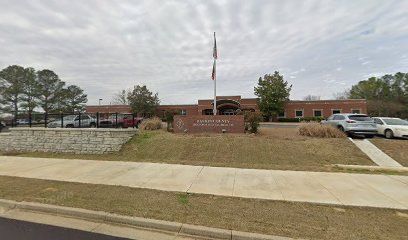
Brandon, MS
Substance use treatment · Cognitive behavioral therapy · Dialectical behavior therapy
Accepts: Cash or self-payment, Medicaid, Medicare
Senatobia, MS
Substance use treatment · Accepts clients on opioid medication but prescribed elsewhere · Cognitive behavioral therapy
Accepts: Cash or self-payment, Medicaid, Medicare
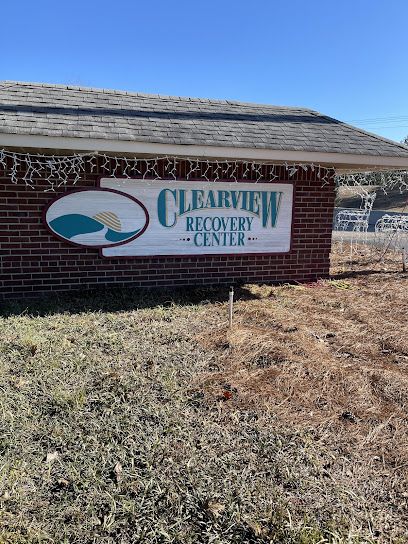
Moselle, MS
Substance use treatment · Cognitive behavioral therapy · Dialectical behavior therapy
Accepts: Cash or self-payment, Medicaid, State-financed health insurance plan other than Medicaid
Sardis, MS
Substance use treatment · Accepts clients on opioid medication but prescribed elsewhere · Cognitive behavioral therapy
Accepts: Cash or self-payment, Medicaid, Medicare
Vicksburg, MS
Substance use treatment · Cognitive behavioral therapy · Dialectical behavior therapy
Accepts: Cash or self-payment, Medicaid
Holly Springs, MS
Substance use treatment · Accepts clients on opioid medication but prescribed elsewhere · Cognitive behavioral therapy
Accepts: Cash or self-payment, Medicaid, Medicare
Pascagoula, MS
Substance use treatment · Cognitive behavioral therapy · Dialectical behavior therapy
Accepts: Cash or self-payment, Medicaid, Sliding fee scale
Southaven, MS
Substance use treatment · Accepts clients on opioid medication but prescribed elsewhere · Cognitive behavioral therapy
Accepts: Cash or self-payment, Private health insurance
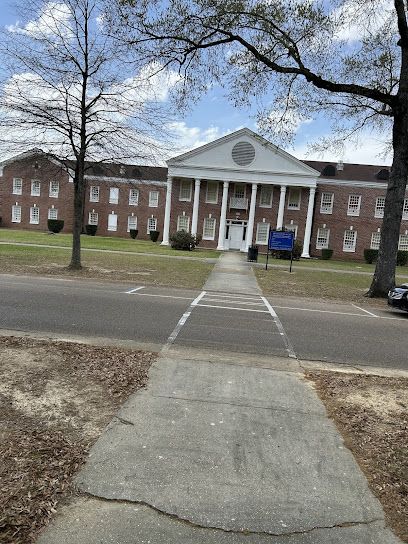
Whitfield, MS
Substance use treatment · Does not use medication for opioid addiction · Cognitive behavioral therapy
Accepts: Medicaid, Medicare, State-financed health insurance plan other than Medicaid

Biloxi, MS
Substance use treatment · All Clients in Opioid Treatment Program · SAMHSA-certified Opioid Treatment Program
Accepts: Cash or self-payment, Military insurance, Sliding fee scale
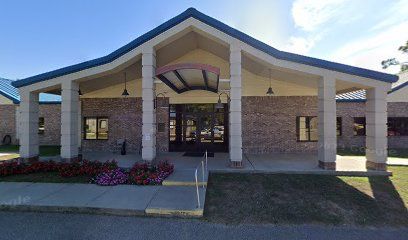
Gulfport, MS
Substance use treatment · Cognitive behavioral therapy · Dialectical behavior therapy
Accepts: Cash or self-payment, Medicaid, Private health insurance
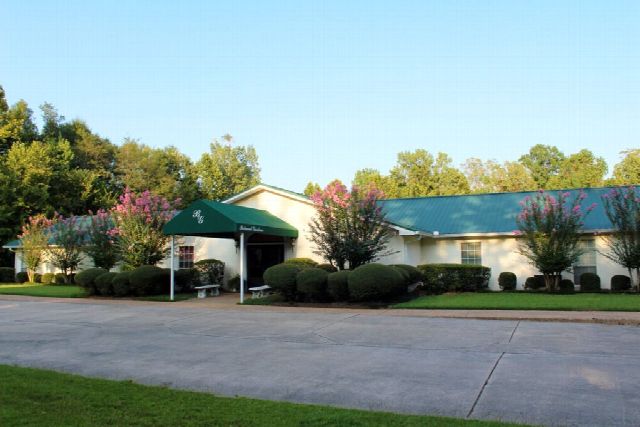
Summit, MS
Substance use treatment · Accepts clients on opioid medication but prescribed elsewhere · Cognitive behavioral therapy
Accepts: Cash or self-payment, Private health insurance, Active duty military
Clarksdale, MS
Substance use treatment · Accepts clients on opioid medication but prescribed elsewhere · Cognitive behavioral therapy
Accepts: Cash or self-payment, Medicaid, Medicare
Corinth, MS
Substance use treatment · Cognitive behavioral therapy · Dialectical behavior therapy
Accepts: Cash or self-payment, Medicaid, Medicare
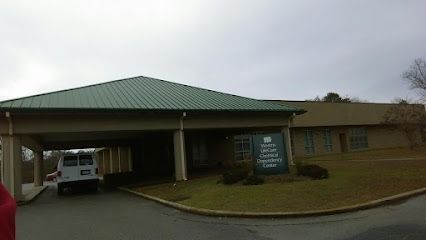
Meridian, MS
Substance use treatment · Accepts clients on opioid medication but prescribed elsewhere · Cognitive behavioral therapy
Accepts: Cash or self-payment, Medicaid
Gulfport, MS
Substance use treatment · Cognitive behavioral therapy · Dialectical behavior therapy
Accepts: Cash or self-payment, Medicaid, Private health insurance
Iuka, MS
Substance use treatment · Accepts clients on opioid medication but prescribed elsewhere · Cognitive behavioral therapy
Accepts: Cash or self-payment, Medicaid, Medicare
To receive immediate placement help from a treatment representative, call the sponsored hotline — available 24/7.
Mississippi is one of the most rural states in the country, and that geography shapes who can actually reach treatment. Jackson, the capital, anchors the largest cluster of listed centers, but many counties in the Delta, the Piney Woods, and the rural interior have no residential facility of their own. Families there often drive an hour or more, or lean on outpatient and telehealth links, to reach care. Poverty is widespread, too — Mississippi’s poverty rate was 17.8% in 2024, among the highest of any state (U.S. Census Bureau, American Community Survey) — which sharpens every access barrier. Coverage adds a further hurdle: Mississippi has not adopted Medicaid expansion under the Affordable Care Act, one of 10 states that had not expanded as of 2026 (KFF), which can leave low-income adults without an obvious way to pay and shifts weight onto public and grant-funded programs. The state’s Department of Mental Health organizes much of that public help through a network of regional community mental health centers, built to bring outpatient counseling and crisis response closer to home. Alcohol and stimulants such as methamphetamine have long shaped substance use here; opioid-involved deaths climbed over the past decade, but Mississippi’s overdose death rate has stayed below the national average, and total drug overdose deaths have fallen for two straight years — from 758 in 2022 to 702 in 2023 and 525 in 2024 (KFF; CDC via USAFacts). If you or your loved one is weighing options, the state’s rural distances, coverage gaps, and regional public system matter as much as any single facility’s brochure.
Sober Nation currently lists 81 treatment centers across Mississippi, and they cluster where the population does. Jackson leads with 8 listed centers, followed by Oxford and Meridian with 4 each, then Biloxi, Summit, Hattiesburg, and Greenwood with 3 apiece. Byram, Gulfport, and Tupelo each list 2. In practice that means the Gulf Coast, the north-central corridor around Oxford, and the capital carry most of the state’s listed capacity, while large rural stretches depend on outpatient or telehealth connections to those hubs. Even the busiest cities list only a handful of centers each — a reminder that in a state of Mississippi’s size, choices within any single town stay limited.
Statewide need is harder to read from listings alone. According to SAMHSA’s National Survey on Drug Use and Health (2022–2023 annual average), about 15.7% of Mississippians aged 12 or older — roughly 384,000 people — had a substance use disorder in the past year. The treatment gap is stark: among those classified as needing substance use treatment, about 72% did not receive it. Drug overdose deaths are reported separately — Mississippi recorded 525 drug overdose deaths in 2024, down from 702 in 2023, and its overdose death rate of about 17.8 per 100,000 remained nearly 19% below the national rate (CDC via USAFacts; KFF). Set side by side, the 81 listed centers and those state figures show two different things: what currently exists, and how much distance still separates people from it.
Treatment is not one setting but a sequence of steps, and Mississippi’s listed centers weight toward the lower-intensity end of that sequence. Medically supervised detox — the safe management of withdrawal — is offered by 31% of listed centers, so it is the piece worth calling ahead about if withdrawal poses a medical risk. Residential or inpatient care, where you stay on-site around the clock, is available at 38%. The largest share, 83%, provide outpatient care: you live at home and attend scheduled sessions, often a realistic first step given the state’s driving distances. Medication-assisted treatment, which pairs FDA-approved medication with counseling for opioid or alcohol use disorder, is offered by 79% — a meaningful option given the role opioids continue to play in the state’s overdose deaths. Aftercare, the ongoing support that follows a primary program, is nearly universal at 95%.
Where you begin depends on the substance involved, your medical risk, and what you can realistically reach and sustain from home. For many people that is outpatient care backed by aftercare, with detox or residential added when the situation calls for it.
Cost is often the deciding factor, so it helps to know what the listed centers actually accept. Two-thirds — 67% — of Mississippi’s listed centers accept Medicaid, and 48% accept Medicare, which matters for older adults and some people with disabilities. Because Mississippi has not expanded Medicaid under the Affordable Care Act (one of 10 non-expansion states as of 2026, per KFF), eligibility for low-income adults can be narrower than in some neighboring states, so confirm your own coverage before assuming a center is out of reach. Federal parity rules under the Mental Health Parity and Addiction Equity Act generally require health plans that cover behavioral health to do so on terms no more restrictive than medical and surgical care (CMS), but individual plans differ, and self-pay or sliding-scale arrangements remain common. Veterans may be able to use VA benefits, and some employers offer assistance programs worth checking. For residents without coverage, state-funded and grant-supported slots exist through the public system administered by the Mississippi Department of Mental Health, though availability can be limited.
Ask each center three plain questions: what insurance it takes, what a full program actually costs, and whether any financial assistance or payment plan is available. You are your own best advocate here.
A few state and national resources can point you toward help that fits your situation:
Treat these as starting points rather than endorsements of any single facility, and confirm current hours and services when you reach out.
Speak with a treatment representative about programs across Mississippi.
Finding treatment is a personal decision. We help you compare options, explain how advertising works on our site, and give you a way to flag information that needs updating.
Facility listings show contact details so you can ask a center about its services, availability and costs.
Our listing standardsFeatured listings and the sponsored helpline are advertising. A paid placement is not a clinical recommendation.
About advertisingPrograms and availability can change. Confirm licensing, services and insurance coverage directly with a facility before choosing care.
How listings workSee an outdated phone number or a closed facility? Let us know. Facility representatives can also request access to update their listing.
Report a correction