Advanced Therapy Center
Medford, MA
- PHP
- Outpatient
Treatment for co-occurring serious mental health illness/serious emotional disturbance and substance use disorders · Gay & Lesbian · Adult men
Accepts: Private health insurance, Cash or self-payment


Find a free or private addiction rehab center in Massachusetts. Use our search-by-city tool to find recovery near you.
Medford, MA
Treatment for co-occurring serious mental health illness/serious emotional disturbance and substance use disorders · Gay & Lesbian · Adult men
Accepts: Private health insurance, Cash or self-payment
Newton, MA
Treatment for co-occurring serious mental health illness/serious emotional disturbance and substance use disorders · Adult women · Adult men
Accepts: Private health insurance, Cash or self-payment
Medford, MA
Cognitive behavioral therapy · Dialectical behavior therapy · Motivational interviewing
Accepts: Cash or self-payment, Private health insurance, Active duty military
438 centers found (21–40)
Centers must offer every checked Level of Care. Other categories match any checked option within each category.
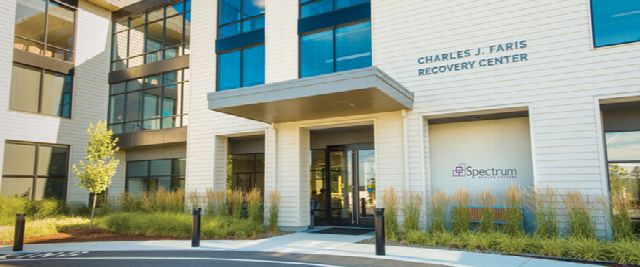
Southbridge, MA
Substance use treatment · All Clients in Opioid Treatment Program · SAMHSA-certified Opioid Treatment Program
Accepts: Cash or self-payment, Medicare, State-financed health insurance plan other than Medicaid

Brighton, MA
Substance use treatment · SAMHSA-certified Opioid Treatment Program · Cognitive behavioral therapy
Accepts: Cash or self-payment, Medicaid, State-financed health insurance plan other than Medicaid
Stoughton, MA
Substance use treatment · Accepts clients on opioid medication but prescribed elsewhere · SAMHSA-certified Opioid Treatment Program
Accepts: Cash or self-payment, Medicaid, State-financed health insurance plan other than Medicaid

Boston, MA
Substance use treatment · All Clients in Opioid Treatment Program · SAMHSA-certified Opioid Treatment Program
Accepts: Cash or self-payment, Medicaid, Medicare
Boston, MA
Substance use treatment · Substance abuse counseling · Smoking not permitted
Accepts: Medicaid, Medicare, State-financed health insurance plan other than Medicaid
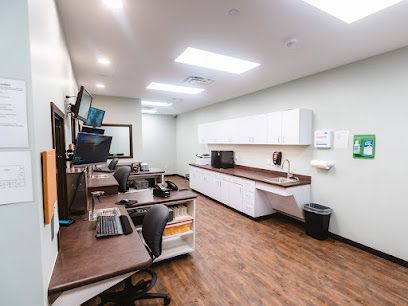
Brockton, MA
Substance use treatment · SAMHSA-certified Opioid Treatment Program · Cognitive behavioral therapy
Accepts: Cash or self-payment, Medicaid, State-financed health insurance plan other than Medicaid
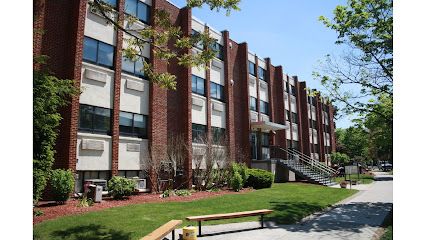
Brookline, MA
Substance use treatment · Accepts clients on opioid medication but prescribed elsewhere · SAMHSA-certified Opioid Treatment Program
Accepts: Cash or self-payment, Medicaid, Medicare
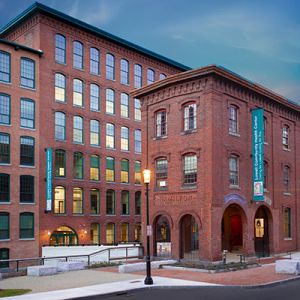
Lowell, MA
Substance use treatment · Accepts clients on opioid medication but prescribed elsewhere · Cognitive behavioral therapy
Accepts: Cash or self-payment, Medicaid, Medicare
Boston, MA
Substance use treatment · Cognitive behavioral therapy · Dialectical behavior therapy
Accepts: Cash or self-payment, Medicaid, Medicare
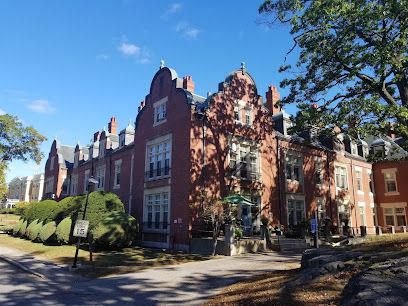
Belmont, MA
Substance use treatment · SAMHSA-certified Opioid Treatment Program · Cognitive behavioral therapy
Accepts: Cash or self-payment, Medicaid, Medicare

New Bedford, MA
Substance use treatment · Cognitive behavioral therapy · Dialectical behavior therapy
Accepts: Cash or self-payment, Medicaid, Medicare

Leominster, MA
Substance use treatment · Accepts clients on opioid medication but prescribed elsewhere · Cognitive behavioral therapy
Accepts: Cash or self-payment, Medicaid, Medicare
New Bedford, MA
Substance use treatment · SAMHSA-certified Opioid Treatment Program · Cognitive behavioral therapy
Accepts: Cash or self-payment, Medicaid, Medicare
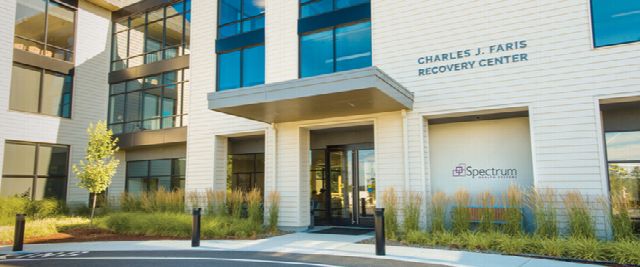
Worcester, MA
Substance use treatment · SAMHSA-certified Opioid Treatment Program · Cognitive behavioral therapy
Accepts: Cash or self-payment, Medicaid, Medicare
Jamaica Plain, MA
Substance use treatment · Accepts clients on opioid medication but prescribed elsewhere · Substance abuse counseling
Accepts: Cash or self-payment, Medicaid, Medicare
Roxbury, MA
Substance use treatment · Cognitive behavioral therapy · Substance abuse counseling
Accepts: Cash or self-payment, Medicaid, Medicare
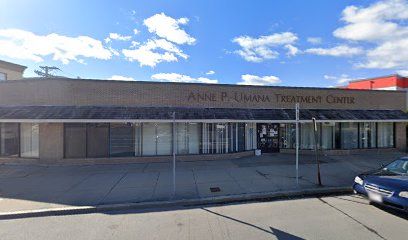
Everett, MA
Substance use treatment · Accepts clients on opioid medication but prescribed elsewhere · Cognitive behavioral therapy
Accepts: Cash or self-payment, Medicaid, Medicare
Danvers, MA
Substance use treatment · Accepts clients on opioid medication but prescribed elsewhere · Cognitive behavioral therapy
Accepts: Cash or self-payment, Medicaid, Medicare

Greenfield, MA
Substance use treatment · Accepts clients on opioid medication but prescribed elsewhere · Cognitive behavioral therapy
Accepts: Cash or self-payment, Medicaid, Medicare
Gardner, MA
Substance use treatment · Accepts clients on opioid medication but prescribed elsewhere · Cognitive behavioral therapy
Accepts: Cash or self-payment, Medicaid, Medicare
To receive immediate placement help from a treatment representative, call the sponsored hotline — available 24/7.
Massachusetts approaches addiction treatment from a distinct starting point. The state's 2006 health reform law became the template for the Affordable Care Act and gave Massachusetts one of the lowest uninsured rates in the country — consistently the lowest of any state, at roughly 2.6% of residents (U.S. Census Bureau, 2023) — which means that for many people weighing rehab here, coverage is less often the first barrier than it is elsewhere. At the same time, the state carries the weight of an opioid and fentanyl crisis that has reshaped its public health priorities — expanded naloxone access, a Good Samaritan overdose law, and one of the country's more active civil-commitment systems.
Care is heavily concentrated in the Boston–Worcester–Springfield corridor, home to academic medical centers such as McLean Hospital, while families in the rural Berkshires often travel farther for the same level of service. Massachusetts is also a state where, under Section 35, a court can order a person into treatment against their will — a controversial tool that shapes how some families first encounter the system. Understanding these realities helps you or your loved one make a clearer, more informed decision.
Sober Nation lists 435 treatment centers across Massachusetts, and where they cluster tells you something about where care is easiest to reach. Worcester and Boston lead with 32 listed centers each, followed by Springfield (19), Brockton (14), and a tie between Fall River and Pittsfield at 13 apiece. Holyoke (12), Roxbury and Jamaica Plain (11 each), and Lowell (10) round out the most-served communities. That spread reflects both population density and the state's long-standing investment in behavioral health infrastructure, though it also leaves rural areas comparatively thin.
Statewide, an estimated 20% of residents aged 12 or older — roughly one in five — meet criteria for a substance use disorder in a given year (SAMHSA NSDUH, 2022–2023), while the treatment gap is stark: about 77% of those who need substance use treatment do not receive it (SAMHSA NSDUH, 2022–2023). Overdose mortality, long driven by fentanyl, has fallen sharply of late — opioid-related overdose deaths dropped to 978 in 2025, the first time under 1,000 since 2013 and nearly 60% below the 2022 peak (Massachusetts Department of Public Health, 2025 preliminary data). Read together, these figures give context to the directory: listings show where help exists, not how many people still go without it.
The centers listed here vary widely in intensity, and knowing the difference helps you find the right entry point:
Most people move through several of these levels rather than just one; where you start depends on your substance, your health, and the support you have at home.
Cost is often the first worry, and in Massachusetts the coverage picture is comparatively strong. Among listed centers, 92% accept Medicaid — here administered as MassHealth — and 71% accept Medicare, meaning most facilities work with public insurance rather than cash-pay only. Because Massachusetts adopted the ACA's Medicaid expansion, many low-income adults qualify for MassHealth coverage that includes behavioral health and substance use treatment (KFF, Status of State Medicaid Expansion Decisions). Federal parity law — the Mental Health Parity and Addiction Equity Act — also requires most insurers to cover behavioral health comparably to physical health, a standard Massachusetts has long enforced through its own parity protections (CMS).
Still, the details vary: confirm what your specific plan approves, whether a facility is in-network, and what any copay or deductible looks like before you commit. For those who are uninsured or underinsured, the state's Bureau of Substance Addiction Services funds a network of publicly supported programs and provides access to treatment for the uninsured (Massachusetts DPH/BSAS). Ask each center directly what they accept — it's the fastest way to avoid a surprise bill.
If you're not sure where to begin, a few Massachusetts resources can point you toward vetted help. The state's designated authority for addiction services is the Bureau of Substance Addiction Services (BSAS), housed within the Massachusetts Department of Public Health, which licenses programs and funds public treatment. The Massachusetts Substance Use Helpline offers free, confidential referrals to state-funded and licensed programs — call or text “HOPE” to (800) 327-5050, 24/7. For co-occurring mental health needs, NAMI Massachusetts provides education, support groups, and family resources across the state. And if you or someone you love is in crisis, the 988 Suicide & Crisis Lifeline is available 24/7 by call or text for immediate, free support. These are starting points — reaching one of them is often the hardest and most important step.
Speak with a treatment representative about programs across Massachusetts.
Finding treatment is a personal decision. We help you compare options, explain how advertising works on our site, and give you a way to flag information that needs updating.
Facility listings show contact details so you can ask a center about its services, availability and costs.
Our listing standardsFeatured listings and the sponsored helpline are advertising. A paid placement is not a clinical recommendation.
About advertisingPrograms and availability can change. Confirm licensing, services and insurance coverage directly with a facility before choosing care.
How listings workSee an outdated phone number or a closed facility? Let us know. Facility representatives can also request access to update their listing.
Report a correction