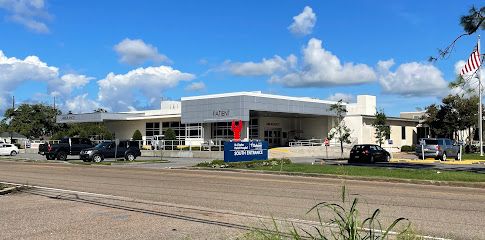
Saint Charles Parish Hospital Behavior Health Unit
Luling, LA
- Detox
- MAT
Substance use treatment · Cognitive behavioral therapy · Substance abuse counseling
Accepts: Cash or self-payment, Medicaid, Medicare


Find a free or private addiction rehab center in Louisiana. Use our search-by-city tool to find recovery near you.
136 centers found (61–80)
Centers must offer every checked Level of Care. Other categories match any checked option within each category.
Luling, LA
Substance use treatment · Cognitive behavioral therapy · Substance abuse counseling
Accepts: Cash or self-payment, Medicaid, Medicare
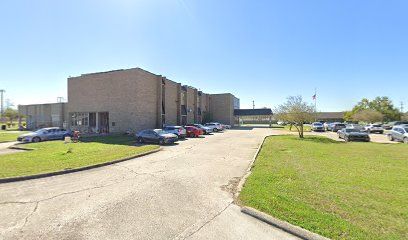
Morgan City, LA
Substance use treatment · Accepts clients on opioid medication but prescribed elsewhere · Cognitive behavioral therapy
Accepts: Cash or self-payment, Medicaid, Private health insurance
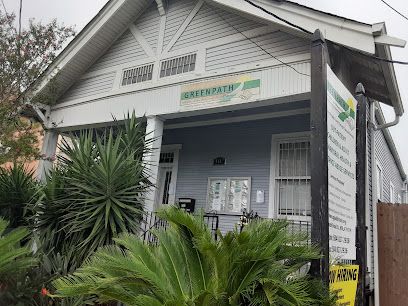
New Orleans, LA
Substance use treatment · Accepts clients on opioid medication but prescribed elsewhere · Cognitive behavioral therapy
Accepts: Cash or self-payment, Medicaid, Medicare
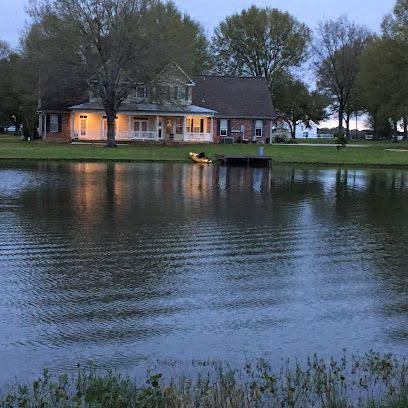
Youngsville, LA
Substance use treatment · Accepts clients on opioid medication but prescribed elsewhere · Cognitive behavioral therapy
Accepts: Cash or self-payment, Private health insurance, Active duty military
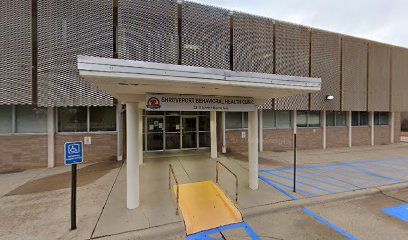
Shreveport, LA
Substance use treatment · Accepts clients on opioid medication but prescribed elsewhere · Cognitive behavioral therapy
Accepts: Cash or self-payment, Medicaid, Medicare
Ville Platte, LA
Substance use treatment · Does not use medication for opioid addiction · Accepts clients on opioid medication but prescribed elsewhere
Accepts: Cash or self-payment, Medicaid, Medicare
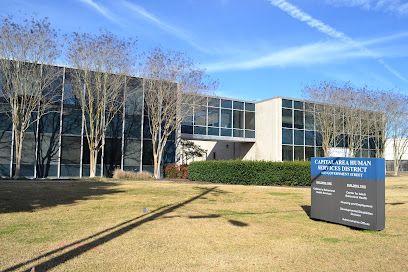
Baton Rouge, LA
Substance use treatment · Cognitive behavioral therapy · Substance abuse counseling
Accepts: Cash or self-payment, Medicaid, Medicare
Monroe, LA
Substance use treatment · Accepts clients on opioid medication but prescribed elsewhere · Cognitive behavioral therapy
Accepts: Cash or self-payment, Medicaid, Medicare
Opelousas, LA
Substance use treatment · Does not use medication for opioid addiction · Accepts clients on opioid medication but prescribed elsewhere
Accepts: Cash or self-payment, Medicaid, Medicare
Lafayette, LA
Substance use treatment · Does not treat opioid addiction · Cognitive behavioral therapy
Accepts: Cash or self-payment, Medicaid, Military families

Baton Rouge, LA
Substance use treatment · Accepts clients on opioid medication but prescribed elsewhere · Cognitive behavioral therapy
Accepts: Cash or self-payment, Medicaid, State-financed health insurance plan other than Medicaid
New Orleans, LA
Substance use treatment · Substance abuse counseling · Trauma-related counseling
Accepts: Cash or self-payment, Medicare, Private health insurance
Bossier City, LA
Substance use treatment · Cognitive behavioral therapy · Dialectical behavior therapy
Accepts: Cash or self-payment, Medicaid, Private health insurance

New Orleans, LA
Substance use treatment · Cognitive behavioral therapy · Substance abuse counseling
Accepts: Medicaid, State-financed health insurance plan other than Medicaid, Payment assistance
Alexandria, LA
Substance use treatment · Accepts clients on opioid medication but prescribed elsewhere · Cognitive behavioral therapy
Accepts: Cash or self-payment, Medicaid, Medicare
Lafayette, LA
Substance use treatment · Accepts clients on opioid medication but prescribed elsewhere · Cognitive behavioral therapy
Accepts: Cash or self-payment, Medicaid, Medicare

Lafayette, LA
Substance use treatment · Accepts clients on opioid medication but prescribed elsewhere · Cognitive behavioral therapy
Accepts: Medicaid, State-financed health insurance plan other than Medicaid, Payment assistance
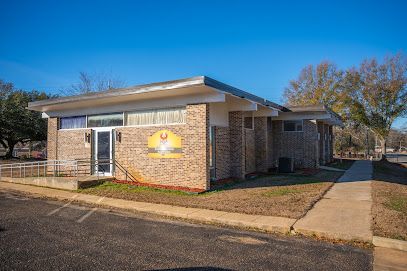
Ruston, LA
Substance use treatment · Accepts clients on opioid medication but prescribed elsewhere · Cognitive behavioral therapy
Accepts: Cash or self-payment, Medicaid, Medicare
Mandeville, LA
Substance use treatment · Cognitive behavioral therapy · Dialectical behavior therapy
Accepts: Cash or self-payment, Medicaid, Private health insurance
Lake Charles, LA
Substance use treatment · Cognitive behavioral therapy · Dialectical behavior therapy
Accepts: Cash or self-payment, Medicaid, Medicare
To receive immediate placement help from a treatment representative, call the sponsored hotline — available 24/7.
Louisiana is the only state in the country divided into parishes rather than counties, 64 of them, and that map tells you a lot about how treatment actually works here. Care concentrates in the Greater New Orleans and Baton Rouge corridors and a handful of other cities, while the rural stretches of Acadiana and the northern delta can put an hour or more between a family and the nearest licensed facility. Geography shapes access here as much as any clinical factor.
The state also carries pressures that are distinctly its own. Hurricane seasons have repeatedly displaced people mid-treatment and interrupted their care, a disruption researchers have documented after Katrina and later storms, and many Cajun and Creole communities approach recovery first through family, church, and neighborhood networks rather than formal programs. Since Louisiana expanded Medicaid in 2016 — coverage took effect July 1, 2016 for adults earning up to 138% of the federal poverty level — the door to publicly funded treatment has opened much wider, which is part of why the majority of the 136 centers listed here accept it. If you are trying to help yourself or someone you love, understanding how care is spread across the state's parishes is a practical starting point, not a technicality.
Sober Nation lists 136 treatment centers across Louisiana, and they cluster where the people are. Baton Rouge leads with 15 centers and New Orleans follows with 13; Monroe and Metairie list 8 each, and Shreveport and Lafayette 7 each. Beyond those hubs the numbers thin quickly. Lake Charles has 4, and New Iberia, Slidell, and Mandeville list 3 apiece, which means that across much of the state, options are limited and some travel is part of the plan.
Those listings describe supply; they do not describe the need behind it. The number of Louisiana residents aged 12 and older who meet the criteria for a substance use disorder in a given year is estimated at about 753,000, or roughly one in five (19.8%), while only about 5.1% — some 192,000 people — receive any substance use treatment, the treatment gap that shapes so much of this work. Drug overdose deaths, still driven mostly by opioids such as fentanyl, have fallen sharply: Louisiana recorded 1,467 drug overdose deaths in 2024, about half of them (725) opioid-involved, and the Louisiana Department of Health reported that the state's drug-overdose deaths dropped by roughly a third from 2023 to 2024. Those figures are exactly why the service mix below matters: knowing what a center genuinely provides lets you reach real help faster instead of working down a phone list.
No single center offers every level of care, and Louisiana's mix shows where most people realistically begin. Outpatient programs are the most widely available, offered by 79% of listed centers; they let you attend counseling and group support while living at home and holding onto work, school, or family responsibilities. Medication-assisted treatment (MAT), which combines FDA-approved medication with counseling to treat opioid or alcohol use disorder, is offered by 68%, a reflection of how central medication has become to modern care.
Medically supervised detox, the safest way to move through withdrawal, is available at 43% of centers, and residential or live-in care at 32%. Those numbers are lower because both are intensive, round-the-clock services that cost more to run. Aftercare, offered by 88%, is the ongoing support (alumni groups, check-ins, relapse-prevention planning) that helps recovery hold once a formal program ends. If you do not know where to start, detox and a clinical assessment usually come first, and that assessment is what determines which level of care actually fits the situation.
Cost is the first wall most families hit, and in Louisiana the payment picture is comparatively broad. Because the state expanded Medicaid, coverage now reaches many low-income adults who would previously have gone uninsured, and 82% of the centers listed here accept Medicaid, a clear majority and often the most important fact for a family without private insurance. Medicare is accepted at 36% of centers, which matters if you are 65 or older or qualify through a disability.
Private plans are required to cover mental health and substance use treatment on par with other medical care under the federal Mental Health Parity and Addiction Equity Act (MHPAEA), though what your particular plan pays out still varies by deductible, network, and level of care. For those with no coverage at all, Louisiana's Office of Behavioral Health administers publicly funded and sliding-scale treatment options. Before you commit anywhere, ask the center three plain questions: what does my plan cover, what will I actually pay out of pocket, and do you offer financing or scholarship beds?
If you need help finding a program, checking that a facility is properly licensed, or simply talking to someone right now, several Louisiana and national resources can point you in the right direction at no cost:
None of these will pressure you into anything, and every one of them is free to reach.
Speak with a treatment representative about programs across Louisiana.
Finding treatment is a personal decision. We help you compare options, explain how advertising works on our site, and give you a way to flag information that needs updating.
Facility listings show contact details so you can ask a center about its services, availability and costs.
Our listing standardsFeatured listings and the sponsored helpline are advertising. A paid placement is not a clinical recommendation.
About advertisingPrograms and availability can change. Confirm licensing, services and insurance coverage directly with a facility before choosing care.
How listings workSee an outdated phone number or a closed facility? Let us know. Facility representatives can also request access to update their listing.
Report a correction