Hunter Health
Wichita, KS
- Outpatient
- MAT
Substance use treatment · Cognitive behavioral therapy · Substance abuse counseling
Accepts: Cash or self-payment, Medicaid, State-financed health insurance plan other than Medicaid


Find a free or private addiction rehab center in Kansas. Use our search-by-city tool to find recovery near you.
164 centers found (21–40)
Centers must offer every checked Level of Care. Other categories match any checked option within each category.
Wichita, KS
Substance use treatment · Cognitive behavioral therapy · Substance abuse counseling
Accepts: Cash or self-payment, Medicaid, State-financed health insurance plan other than Medicaid
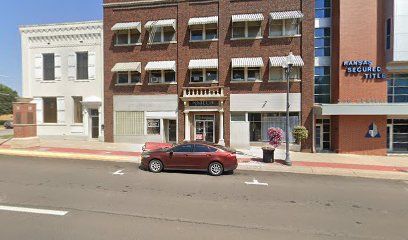
Wichita, KS
Substance use treatment · Accepts clients on opioid medication but prescribed elsewhere · Cognitive behavioral therapy
Accepts: Cash or self-payment, Medicaid, State-financed health insurance plan other than Medicaid

El Dorado, KS
Substance use treatment · Accepts clients on opioid medication but prescribed elsewhere · Cognitive behavioral therapy
Accepts: Cash or self-payment, Medicaid, State-financed health insurance plan other than Medicaid
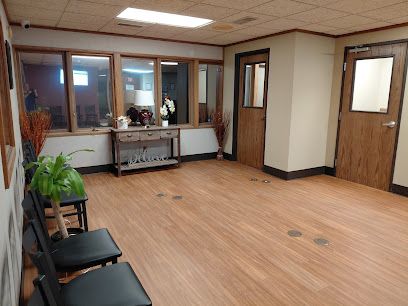
Topeka, KS
Substance use treatment · All Clients in Opioid Treatment Program · SAMHSA-certified Opioid Treatment Program
Accepts: Cash or self-payment, Active duty military, Military families
Lawrence, KS
Substance use treatment · Accepts clients on opioid medication but prescribed elsewhere · Cognitive behavioral therapy
Accepts: Cash or self-payment, Medicaid, State-financed health insurance plan other than Medicaid
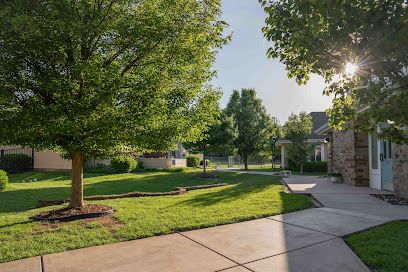
Wichita, KS
Substance use treatment · Accepts clients on opioid medication but prescribed elsewhere · Cognitive behavioral therapy
Accepts: Cash or self-payment, Private health insurance, Sliding fee scale

Shawnee, KS
Substance use treatment · Accepts clients on opioid medication but prescribed elsewhere · Cognitive behavioral therapy
Accepts: Cash or self-payment, Medicaid, Private health insurance
Mission, KS
Substance use treatment · Does not use medication for opioid addiction · Cognitive behavioral therapy
Accepts: Cash or self-payment, Private health insurance, Sliding fee scale

Wichita, KS
Substance use treatment · Cognitive behavioral therapy · Substance abuse counseling
Accepts: Cash or self-payment, Medicaid, State-financed health insurance plan other than Medicaid

Wellington, KS
Substance use treatment · Accepts clients on opioid medication but prescribed elsewhere · Cognitive behavioral therapy
Accepts: Cash or self-payment, Medicaid, Medicare
Overland Park, KS
Substance use treatment · Does not treat opioid addiction · Cognitive behavioral therapy
Accepts: Cash or self-payment, Medicaid, Medicare
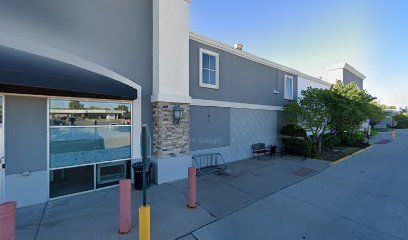
Wichita, KS
Substance use treatment · Cognitive behavioral therapy · Dialectical behavior therapy
Accepts: Cash or self-payment, Medicaid, Medicare
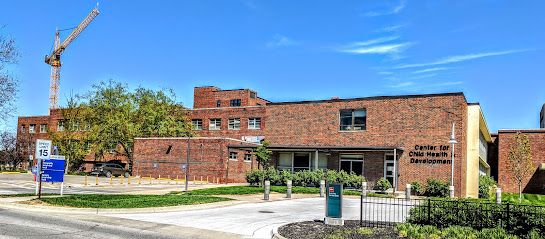
Kansas City, KS
Substance use treatment · All Clients in Opioid Treatment Program · SAMHSA-certified Opioid Treatment Program
Accepts: Cash or self-payment, Medicaid, State-financed health insurance plan other than Medicaid
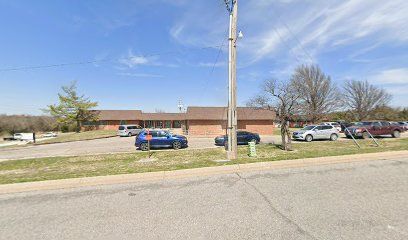
Winfield, KS
Substance use treatment · Accepts clients on opioid medication but prescribed elsewhere · Cognitive behavioral therapy
Accepts: Cash or self-payment, Medicaid, Private health insurance

Parsons, KS
Substance use treatment · Accepts clients on opioid medication but prescribed elsewhere · Cognitive behavioral therapy
Accepts: Cash or self-payment, Medicaid, Medicare
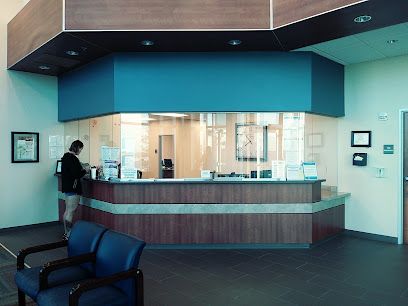
Johnson, KS
Substance use treatment · Does not treat opioid addiction · Cognitive behavioral therapy
Accepts: Cash or self-payment, Medicaid, Medicare
Garden City, KS
Substance use treatment · Cognitive behavioral therapy · Dialectical behavior therapy
Accepts: Cash or self-payment, Medicaid, Medicare
Ulysses, KS
Substance use treatment · Does not treat opioid addiction · Cognitive behavioral therapy
Accepts: Cash or self-payment, Medicaid, Medicare
Junction City, KS
Substance use treatment · Accepts clients on opioid medication but prescribed elsewhere · Cognitive behavioral therapy
Accepts: Cash or self-payment, Medicaid, Private health insurance
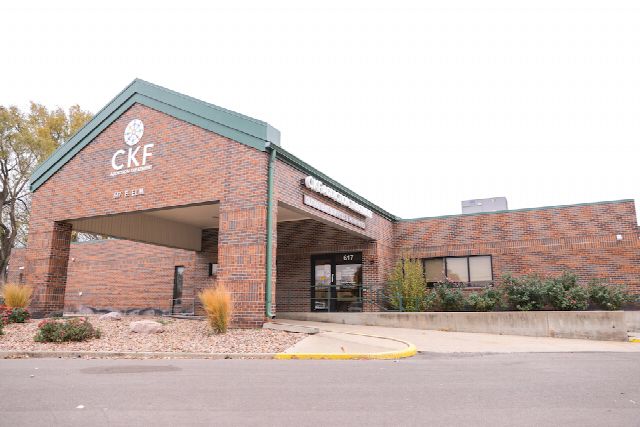
McPherson, KS
Substance use treatment · Cognitive behavioral therapy · Substance abuse counseling
Accepts: Cash or self-payment, Medicaid, Private health insurance
To receive immediate placement help from a treatment representative, call the sponsored hotline — available 24/7.
Kansas is a wide, largely rural state, and geography shapes almost everything about finding treatment here. Of the 164 centers listed across Kansas, most cluster in a handful of metros — Wichita, the Kansas City suburbs of Overland Park and Olathe, and the capital, Topeka — while families in the sparsely populated western counties often drive hours to reach the nearest program. Long distances, seasonal agricultural work, and a strong cultural streak of self-reliance can all delay someone reaching out.
Kansas administers its Medicaid benefit through KanCare, a privatized managed-care system, and remains one of only 10 states that, as of 2026, have not adopted Medicaid expansion under the Affordable Care Act, according to KFF's tracking — a policy choice that continues to shape who can afford treatment and how long the coverage gap runs. The state has historically been cautious on harm-reduction measures such as syringe access — Kansas still has no legally authorized syringe services program — even as availability of medication for opioid use disorder has widened. If you or someone you love is trying to get help in Kansas, understanding where care actually exists — and how people here pay for it — is the practical place to begin.
Sober Nation lists 164 treatment centers across Kansas, and they are not evenly distributed. Wichita alone accounts for 34 of them, followed by Overland Park with 11, Topeka with 8, and Olathe with 7. Smaller counts appear in Kansas City (5), Lawrence (5), and Pittsburg (5), then Salina (4), Newton (4), and Hutchinson (4). The pattern mirrors where Kansans live and how quickly options thin out beyond the eastern border and the south-central corridor around Wichita.
The mix of care statewide leans heavily toward the community-based end. Outpatient services are offered by 95% of listed centers and aftercare by 92%, while 39% provide medication-assisted treatment. Roughly 18% offer residential care and 17% offer medically supervised detox, and the most intensive step-down levels are comparatively rare in the directory.
These figures describe the supply of treatment, not the underlying need. Federal survey data from SAMHSA's 2022–2023 National Survey on Drug Use and Health estimate that about 16.2% of Kansans aged 12 and older had a substance use disorder in the past year, that roughly 52% drank alcohol and 13.7% used an illicit drug in the past month, and that an estimated 75.5% of Kansans who were classified as needing substance use treatment did not receive it. Drug-overdose deaths, by contrast, have been falling: Kansas recorded about 754 in 2022, 653 in 2023, and roughly 570 in 2024 — a rate near 19 per 100,000 and a two-year decline that tracks the national downturn, according to CDC mortality data.
The right place to start depends on how severe the substance use is and whether withdrawal is likely to be medically risky. Detox, offered by about 17% of listed Kansas centers, provides medically supervised withdrawal; it is usually a first step that stabilizes someone, not a treatment on its own. Residential care, at roughly 18%, means living on-site for a stretch of structured, around-the-clock support — often the right fit when home is not a safe or stable environment.
Outpatient treatment is the backbone of the system here: 95% of listed centers offer it, letting you live at home while attending scheduled counseling and groups. It is where most Kansans begin. The more intensive middle tiers — partial hospitalization (PHP) and intensive outpatient (IOP) — each appear at only about 1% of centers, so if you need that level of structure, it is worth calling ahead to confirm availability and travel distance.
Medication-assisted treatment, listed at 39%, pairs FDA-approved medications with counseling and is used most often for opioid and alcohol use disorder. Aftercare, offered by 92% of centers, supports you once formal treatment ends — the long, ordinary stretch where recovery is actually protected.
How Kansans pay for treatment is closely tied to insurance, and the directory reflects that. Among listed Kansas centers, 80% accept Medicaid — by far the most commonly accepted coverage — while 32% accept Medicare. Only about 1% are recorded as taking private insurance in our data, so if you carry a commercial or employer plan, confirm acceptance and in-network status directly with the facility before you commit.
Kansas delivers its Medicaid benefit through KanCare, and because the state has not adopted Medicaid expansion — one of only 10 states that have not, according to KFF — some low-income adults without dependent children can fall into a coverage gap that makes paying for care harder than it is in some neighboring states. The federal Mental Health Parity and Addiction Equity Act (MHPAEA) generally requires health plans that cover behavioral health to do so on par with medical and surgical care, but the details vary by plan.
If you are uninsured or underinsured, ask each program about sliding-scale fees, state-funded or SAMHSA block-grant-supported treatment slots, and payment plans. Many centers can also help you check Medicaid eligibility during intake, so bring your questions to that first call.
A few Kansas-specific organizations can help you find care, verify a license, or reach someone during a crisis. The state's SAMHSA-designated authority for substance use services is the Kansas Department for Aging and Disability Services (KDADS), Behavioral Health Services, which by statute coordinates substance use and mental health services and oversees state-funded treatment (kdads.ks.gov). For families facing co-occurring mental health conditions, NAMI Kansas — the state chapter of the National Alliance on Mental Illness — offers education, support groups, and referrals (namikansas.org). And if you or someone you love is in immediate distress, the 988 Suicide & Crisis Lifeline connects you to trained counselors by call or text, 24 hours a day, and can route to Kansas crisis services (988lifeline.org). These organizations do not replace a clinical evaluation, but they are trustworthy starting points when you are not sure who to call first. When you contact any program, ask about licensing, credentials, and what a first appointment looks like — you are your own best advocate.
Speak with a treatment representative about programs across Kansas.
Finding treatment is a personal decision. We help you compare options, explain how advertising works on our site, and give you a way to flag information that needs updating.
Facility listings show contact details so you can ask a center about its services, availability and costs.
Our listing standardsFeatured listings and the sponsored helpline are advertising. A paid placement is not a clinical recommendation.
About advertisingPrograms and availability can change. Confirm licensing, services and insurance coverage directly with a facility before choosing care.
How listings workSee an outdated phone number or a closed facility? Let us know. Facility representatives can also request access to update their listing.
Report a correction