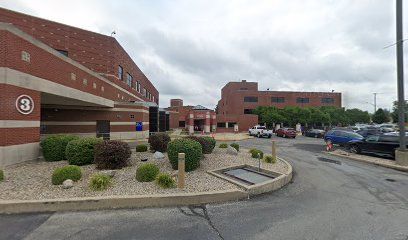
Saint Vincents of Kokomo Trinity House
Kokomo, IN
- Detox
- PHP
- IOP
- MAT
Substance use treatment · Cognitive behavioral therapy · Substance abuse counseling
Accepts: Cash or self-payment, Medicaid, Medicare


Find a free or private addiction rehab center in Indiana. Use our search-by-city tool to find recovery near you.
374 centers found (81–100)
Centers must offer every checked Level of Care. Other categories match any checked option within each category.
Kokomo, IN
Substance use treatment · Cognitive behavioral therapy · Substance abuse counseling
Accepts: Cash or self-payment, Medicaid, Medicare
Fort Wayne, IN
Substance use treatment · SAMHSA-certified Opioid Treatment Program · Cognitive behavioral therapy
Accepts: Cash or self-payment, Medicaid, Medicare
Bedford, IN
Substance use treatment · Cognitive behavioral therapy · Substance abuse counseling
Accepts: Cash or self-payment, Medicaid, Medicare
Madison, IN
Substance use treatment · Cognitive behavioral therapy · Substance abuse counseling
Accepts: Cash or self-payment, Medicaid, Medicare
Scottsburg, IN
Substance use treatment · Cognitive behavioral therapy · Substance abuse counseling
Accepts: Cash or self-payment, Medicaid, Medicare
Logansport, IN
Substance use treatment · Cognitive behavioral therapy · Substance abuse counseling
Accepts: Cash or self-payment, Medicaid, Medicare

Evansville, IN
Substance use treatment · Accepts clients on opioid medication but prescribed elsewhere · Cognitive behavioral therapy
Accepts: Cash or self-payment, Medicaid, Medicare
Warsaw, IN
Substance use treatment · Cognitive behavioral therapy · Dialectical behavior therapy
Accepts: Cash or self-payment, Medicaid, Medicare
Huntington, IN
Substance use treatment · Cognitive behavioral therapy · Dialectical behavior therapy
Accepts: Cash or self-payment, Medicaid, Medicare
Valparaiso, IN
Substance use treatment · Cognitive behavioral therapy · Dialectical behavior therapy
Accepts: Cash or self-payment, Medicaid, Medicare
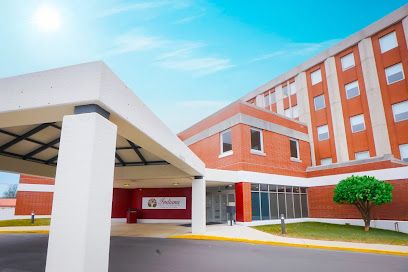
Mishawaka, IN
Substance use treatment · Cognitive behavioral therapy · Dialectical behavior therapy
Accepts: Cash or self-payment, Private health insurance, Military insurance
Nashville, IN
Substance use treatment · Cognitive behavioral therapy · Substance abuse counseling
Accepts: Cash or self-payment, Medicaid, Medicare
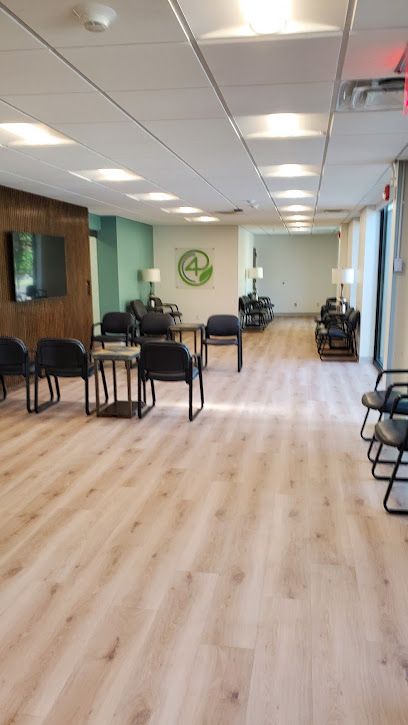
Rochester, IN
Substance use treatment · Cognitive behavioral therapy · Substance abuse counseling
Accepts: Cash or self-payment, Medicaid, Medicare
Peru, IN
Substance use treatment · Cognitive behavioral therapy · Substance abuse counseling
Accepts: Cash or self-payment, Medicaid, Medicare
Winamac, IN
Substance use treatment · Cognitive behavioral therapy · Substance abuse counseling
Accepts: Cash or self-payment, Medicaid, Medicare

Angola, IN
Substance use treatment · Accepts clients on opioid medication but prescribed elsewhere · Cognitive behavioral therapy
Accepts: Cash or self-payment, Medicaid, Medicare

Knox, IN
Substance use treatment · Cognitive behavioral therapy · Dialectical behavior therapy
Accepts: Cash or self-payment, Medicaid, Medicare
Richmond, IN
Substance use treatment · SAMHSA-certified Opioid Treatment Program · Cognitive behavioral therapy
Accepts: Cash or self-payment, Medicaid, Medicare

Indianapolis, IN
Substance use treatment · Substance abuse counseling · Trauma-related counseling
Accepts: Cash or self-payment, Medicaid, Medicare

Indianapolis, IN
Substance use treatment · Cognitive behavioral therapy · Dialectical behavior therapy
Accepts: Cash or self-payment, Medicaid, Medicare
Looking for medication treatment for opioid addiction? See methadone clinics in Indiana.
To receive immediate placement help from a treatment representative, call the sponsored hotline — available 24/7.
Indiana's response to addiction has been shaped by events few other states share. In 2015, a rural community in Scott County recorded one of the worst HIV outbreaks in modern U.S. history, traced to people injecting a prescription opioid with shared needles — a crisis that pushed the state to authorize the syringe service programs it had long prohibited (CDC, 2015). That same stretch of years saw overdose deaths climb sharply across much of the state as the opioid epidemic deepened (CDC WONDER). Geography complicates the response: Indiana runs from the industrial cities of the Region near Chicago — Gary, Merrillville, East Chicago — down to the rural Ohio River counties around Evansville and Jeffersonville, and treatment access looks very different at each end. The state also took an unusual path on coverage, expanding Medicaid in 2015 through the consumer-driven Healthy Indiana Plan instead of traditional expansion. Indianapolis anchors a sizable recovery community, but that support thins quickly once you leave the metro areas. If you or your loved one is looking for help here, the options are real — they are just unevenly distributed, and knowing the local terrain matters.
Sober Nation lists 383 treatment centers across Indiana, but they are not spread evenly. Indianapolis alone accounts for 50 listed programs, followed by Fort Wayne with 18, Evansville with 15, Bloomington with 13, and Merrillville with 12. Smaller clusters appear in South Bend (11), Anderson (9), Jeffersonville (9), Lafayette (9), and Gary (7). That makes the Indianapolis metro the practical hub for anyone whose local options are thin. For someone in a rural county with no listed provider nearby, the concentration is not a small detail — it often means travel, a wait, or telehealth becomes part of the plan.
The broader picture requires context these listings can't supply on their own. In a given year, an estimated 15% of Indiana residents aged 12 or older meet the criteria for a substance use disorder, yet most who need help never get it — roughly 73% of those who need treatment do not receive any (SAMHSA NSDUH, 2022–2023). Overdose deaths, now driven mostly by illicit fentanyl rather than prescription pills, have actually been declining: Indiana recorded 1,618 overdose deaths in 2024, down from 2,130 in 2023 and a third straight year of decline (Indiana Department of Health, 2024). These numbers still shift from year to year, so treat them as a snapshot and check the current figures before relying on them.
Indiana's mix of services skews heavily toward outpatient care: 91% of listed centers offer some form of outpatient treatment, the most flexible option for people who need to keep working, attend school, or care for family while getting help. Aftercare — the ongoing recovery support that follows a formal program — is nearly as common at 86%, which matters because the weeks right after treatment are often the most fragile. Medication-assisted treatment (MAT), which pairs FDA-approved medications such as buprenorphine or naltrexone with counseling, is available at 54% of centers — a meaningful share in a state carrying a heavy opioid burden.
The more intensive levels are harder to find: 23% provide medically supervised detox, the withdrawal step some people need before other treatment can safely begin, and just 13% offer residential (inpatient) care, where you live on-site around the clock. Many people move through these levels in sequence — detox, then residential or intensive outpatient, then standard outpatient and aftercare — so where you start depends on your history and medical needs. If you or your loved one likely needs detox or a residential bed, start calling early, because those are the slots that fill fastest.
Cost is the first barrier most families run into, and Indiana's coverage picture is better than it used to be. Among listed centers, 78% accept Medicaid and 60% accept Medicare — broad acceptance that matters because Indiana expanded Medicaid in 2015 through the Healthy Indiana Plan (HIP), which covers substance use treatment for many low-income adults. Federal parity law — the Mental Health Parity and Addiction Equity Act — generally requires health plans that cover addiction treatment to do so on terms no more restrictive than other medical care, though exactly what's covered still varies from plan to plan. If you are uninsured or underinsured, the state's Division of Mental Health and Addiction funds treatment for residents who qualify, and many programs offer sliding-scale fees or payment plans. Before you commit to any program, do your research: ask directly what your plan covers, what it does not, and what you would owe out of pocket. There is no single answer here — it really goes case by case — and you are your own best advocate.
Compare payment options, including sliding-scale fees and Medicaid: free and low-cost rehab centers in Indiana.
A few Indiana-specific resources are worth saving before you start calling programs:
Any of these can point you toward vetted, in-state help when you are not sure where to start.
Speak with a treatment representative about programs across Indiana.
Finding treatment is a personal decision. We help you compare options, explain how advertising works on our site, and give you a way to flag information that needs updating.
Facility listings show contact details so you can ask a center about its services, availability and costs.
Our listing standardsFeatured listings and the sponsored helpline are advertising. A paid placement is not a clinical recommendation.
About advertisingPrograms and availability can change. Confirm licensing, services and insurance coverage directly with a facility before choosing care.
How listings workSee an outdated phone number or a closed facility? Let us know. Facility representatives can also request access to update their listing.
Report a correction