Pineland BHDD Toombs Counseling Center
Vidalia, GA
- Outpatient
Substance use treatment · Does not use medication for opioid addiction · Cognitive behavioral therapy
Accepts: Cash or self-payment, Medicaid, Medicare


Find a free or private addiction rehab center in Georgia. Use our search-by-city tool to find recovery near you.
302 centers found (141–160)
Centers must offer every checked Level of Care. Other categories match any checked option within each category.
Vidalia, GA
Substance use treatment · Does not use medication for opioid addiction · Cognitive behavioral therapy
Accepts: Cash or self-payment, Medicaid, Medicare

Toccoa, GA
Substance use treatment · All Clients in Opioid Treatment Program · SAMHSA-certified Opioid Treatment Program
Accepts: Cash or self-payment
Atlanta, GA
Substance use treatment · Accepts clients on opioid medication but prescribed elsewhere · Cognitive behavioral therapy
Accepts: Payment assistance
Atlanta, GA
Substance use treatment · Cognitive behavioral therapy · Dialectical behavior therapy
Accepts: Cash or self-payment, Medicaid, State-financed health insurance plan other than Medicaid
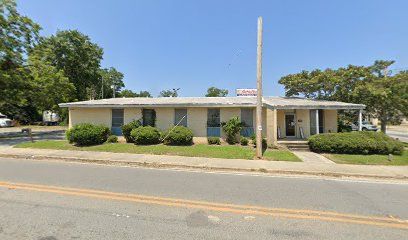
Dublin, GA
Substance use treatment · Does not use medication for opioid addiction · Accepts clients on opioid medication but prescribed elsewhere
Accepts: Cash or self-payment, Medicaid, Medicare
Fayetteville, GA
Substance use treatment · All Clients in Opioid Treatment Program · SAMHSA-certified Opioid Treatment Program
Accepts: Cash or self-payment, Medicaid, Medicare
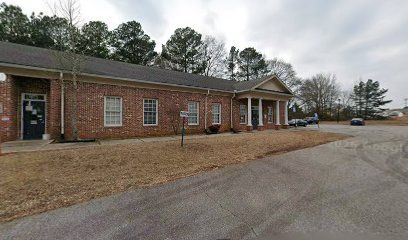
Monroe, GA
Substance use treatment · Does not treat opioid addiction · Cognitive behavioral therapy
Accepts: Cash or self-payment, Medicaid, Medicare
Atlanta, GA
Substance use treatment · Cognitive behavioral therapy · Dialectical behavior therapy
Accepts: Cash or self-payment, Medicaid, Private health insurance

Norcross, GA
Substance use treatment · All Clients in Opioid Treatment Program · SAMHSA-certified Opioid Treatment Program
Accepts: Cash or self-payment, Medicaid, Private health insurance
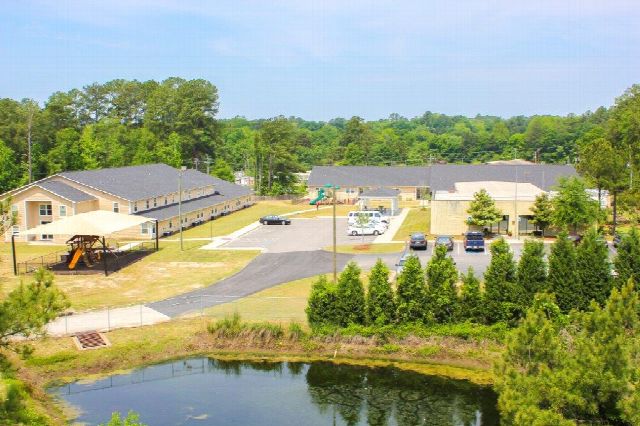
Decatur, GA
Substance use treatment · Accepts clients on opioid medication but prescribed elsewhere · Cognitive behavioral therapy
Accepts: Payment assistance
Atlanta, GA
Substance use treatment · Does not treat opioid addiction · Cognitive behavioral therapy
Accepts: Cash or self-payment, Medicaid, Medicare

Bainbridge, GA
Substance use treatment · Accepts clients on opioid medication but prescribed elsewhere · Cognitive behavioral therapy
Accepts: Cash or self-payment, Medicaid, Medicare
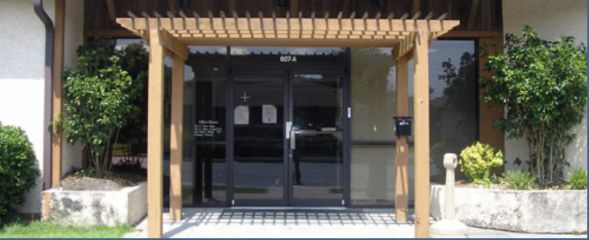
Warner Robins, GA
Substance use treatment · All Clients in Opioid Treatment Program · SAMHSA-certified Opioid Treatment Program
Accepts: Cash or self-payment, Medicaid, Medicare
Summerville, GA
Substance use treatment · Accepts clients on opioid medication but prescribed elsewhere · Cognitive behavioral therapy
Accepts: Cash or self-payment, Medicaid, Medicare

Decatur, GA
Substance use treatment · Does not treat opioid addiction · Cognitive behavioral therapy
Accepts: Cash or self-payment, Medicaid, State-financed health insurance plan other than Medicaid
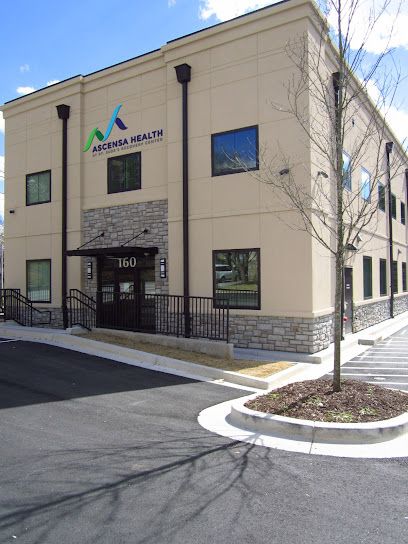
Atlanta, GA
Cognitive behavioral therapy · Substance abuse counseling · Smoking permitted in designated area
Accepts: Medicaid, State-financed health insurance plan other than Medicaid, Private health insurance
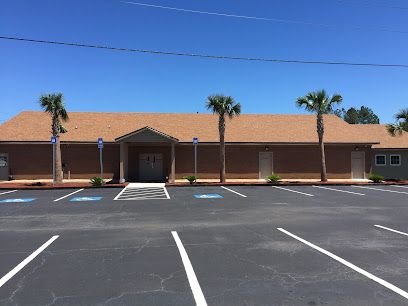
Saint Marys, GA
Substance use treatment · SAMHSA-certified Opioid Treatment Program · Cognitive behavioral therapy
Accepts: Cash or self-payment, Medicaid, Medicare
Conyers, GA
Substance use treatment · Does not use medication for opioid addiction · Accepts clients on opioid medication but prescribed elsewhere
Accepts: Cash or self-payment, Military families
Conyers, GA
Substance use treatment · Does not use medication for opioid addiction · Accepts clients on opioid medication but prescribed elsewhere
Accepts: Cash or self-payment, Medicaid, State-financed health insurance plan other than Medicaid
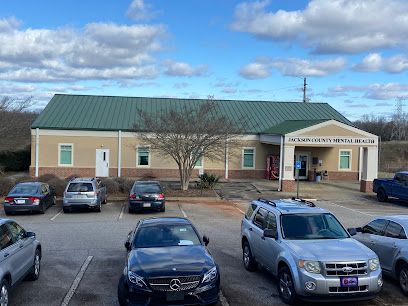
Jefferson, GA
Substance use treatment · Does not treat opioid addiction · Cognitive behavioral therapy
Accepts: Cash or self-payment, Medicaid, Medicare
Looking for medication treatment for opioid addiction? See methadone clinics in Georgia.
To receive immediate placement help from a treatment representative, call the sponsored hotline — available 24/7.
Georgia's treatment access is shaped less by a single drug and more by geography. Atlanta sits where three interstates — I-75, I-85, and I-20 — meet the world's busiest airport, which has long made metro Atlanta a distribution hub for the methamphetamine and cocaine moving up the East Coast, even as illicit fentanyl and other synthetic opioids now drive the majority of the state's fatal overdoses. That same convergence makes metro Atlanta the center of gravity for Georgia's licensed treatment capacity, and the concentration cuts two ways. Someone in Decatur or Marietta can often find a residential bed within a short drive, while a person in a rural south Georgia county may travel two hours or more to reach the same level of care, leaning harder on outpatient and telehealth in the meantime.
Georgia also runs one of the country's largest accountability court systems — nearly 190 drug, DUI, mental health, and veterans courts statewide (Council of Accountability Court Judges, FY2025) — routing many people with substance use disorders toward treatment instead of jail. For you or your loved one, the practical point is simple: where you live in Georgia changes what starting treatment actually looks like, and that is worth mapping honestly before you commit to any one program.
Sober Nation lists 306 treatment centers across Georgia, and their distribution mirrors the state's population map. Metro Atlanta dominates, and capacity thins out toward rural counties along the I-16 and I-75 corridors. The cities with the most listed centers are:
Across those 306 listings, aftercare is the most widely offered service at 89%, followed by outpatient care at 86%. Medication-assisted treatment is available at 55%. The more intensive levels are scarcer: 27% provide medically supervised detox and just 21% offer residential beds. On payment, 60% of listed centers accept Medicaid and 42% accept Medicare. Read together, the numbers describe a system where entry-level and follow-up care are broadly available but the most intensive beds are concentrated and comparatively scarce — the closer you get to detox or residential care, the more likely you are to travel for it.
These figures describe what is listed, not the size of the underlying need. An estimated 17.2% of Georgians aged 12 or older — roughly 1.6 million people — met criteria for a substance use disorder in the past year, yet only about 1 in 5 of those who needed treatment actually received it (2023 SAMHSA NSDUH, Georgia). Statewide, Georgia recorded an estimated 2,029 drug overdose deaths in 2024 — about 18.1 per 100,000 residents — a provisional total that declined from 2023 as part of a steep national drop (CDC provisional data).
Georgia's service mix maps loosely onto how a course of treatment tends to progress, so these percentages are a rough guide to what you will and won't easily find across the state:
Most people move through several of these levels rather than picking just one. Where you begin depends on the severity of the dependence and whether a co-occurring mental health condition needs treating at the same time.
Payment in Georgia's listings leans public: 60% of listed centers accept Medicaid and 42% accept Medicare. Medicaid matters more here than in many states, because Georgia has not adopted Affordable Care Act Medicaid expansion — it is one of only ten states that have not, instead running a limited “Pathways to Coverage” program tied to a work requirement (KFF). Eligibility is therefore narrower than in neighboring expansion states, and some low-income adults earn too much to qualify yet too little to afford marketplace coverage, falling into a coverage gap. If you do have Medicaid, confirm that a specific center accepts it before committing, since acceptance is far from universal and varies by program and level of care.
If you are uninsured, ask each program directly about sliding-scale fees, payment plans, and grant- or state-funded beds; Georgia's Department of Behavioral Health and Developmental Disabilities uses the federal Substance Use Prevention, Treatment, and Recovery Services Block Grant to fund treatment for uninsured and low-income residents (DBHDD). If you carry private insurance, the federal Mental Health Parity and Addiction Equity Act requires most health plans that cover behavioral health to do so on terms no more restrictive than they apply to medical and surgical care (CMS), though deductibles, networks, and prior-authorization rules still vary widely. Self-pay and financing are options as well. For many families, the fastest way to an answer is to call the behavioral health number on the back of the insurance card and confirm coverage for the specific program and level of care. Do your research and ask, in writing, exactly what a plan covers before you enroll — you are your own best advocate here.
Compare payment options, including sliding-scale fees and Medicaid: free and low-cost rehab centers in Georgia.
A few Georgia-specific organizations are good starting points for finding treatment or ongoing support. The state's SAMHSA-designated Single State Agency for substance use services is the Georgia Department of Behavioral Health and Developmental Disabilities (DBHDD), which licenses providers and administers publicly funded treatment. NAMI Georgia, the state chapter of the National Alliance on Mental Illness, runs free support groups, education programs, and a helpline for people affected by mental illness and co-occurring substance use. For immediate help, the 988 Suicide and Crisis Lifeline connects you to trained counselors by call or text, around the clock. Georgians can also reach the Georgia Crisis and Access Line (GCAL) at 1-800-715-4225 for 24/7 help locating urgent services and treatment openings. If you are unsure where to begin, DBHDD's regional offices and GCAL can both point you toward the nearest appropriate provider — verify current phone numbers and hours before you rely on any of these.
Speak with a treatment representative about programs across Georgia.
Finding treatment is a personal decision. We help you compare options, explain how advertising works on our site, and give you a way to flag information that needs updating.
Facility listings show contact details so you can ask a center about its services, availability and costs.
Our listing standardsFeatured listings and the sponsored helpline are advertising. A paid placement is not a clinical recommendation.
About advertisingPrograms and availability can change. Confirm licensing, services and insurance coverage directly with a facility before choosing care.
How listings workSee an outdated phone number or a closed facility? Let us know. Facility representatives can also request access to update their listing.
Report a correction