Aquila of Delaware
Dover, DE
- Residential
- IOP
- MAT
Substance use treatment · Accepts clients on opioid medication but prescribed elsewhere · Cognitive behavioral therapy
Accepts: Cash or self-payment, Medicaid, Private health insurance


Find a free or private addiction rehab center in Delaware. Use our search-by-city tool to find recovery near you.
43 centers found (21–40)
Centers must offer every checked Level of Care. Other categories match any checked option within each category.
Dover, DE
Substance use treatment · Accepts clients on opioid medication but prescribed elsewhere · Cognitive behavioral therapy
Accepts: Cash or self-payment, Medicaid, Private health insurance
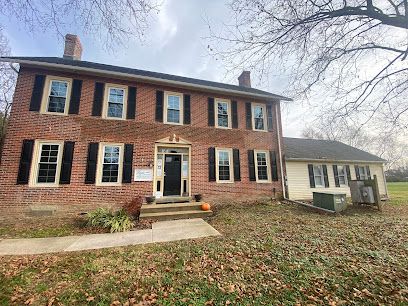
Wilmington, DE
Substance use treatment · Accepts clients on opioid medication but prescribed elsewhere · Cognitive behavioral therapy
Accepts: Cash or self-payment, Medicaid, Private health insurance
Bear, DE
Substance use treatment · Accepts clients on opioid medication but prescribed elsewhere · Cognitive behavioral therapy
Accepts: Cash or self-payment, Medicaid, State-financed health insurance plan other than Medicaid
Newark, DE
Substance use treatment · Cognitive behavioral therapy · Dialectical behavior therapy
Accepts: Cash or self-payment, Medicaid, Medicare
New Castle, DE
Substance use treatment · Accepts clients on opioid medication but prescribed elsewhere · Cognitive behavioral therapy
Accepts: Cash or self-payment, Medicaid, State-financed health insurance plan other than Medicaid
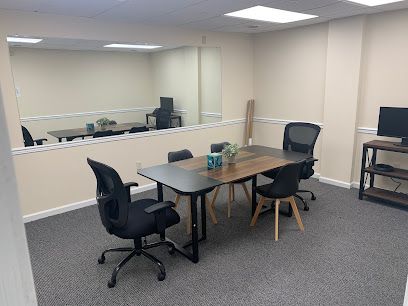
Wilmington, DE
Substance use treatment · Cognitive behavioral therapy · Substance abuse counseling
Accepts: Cash or self-payment, Medicaid, State-financed health insurance plan other than Medicaid
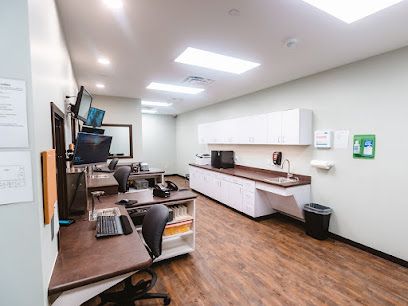
Claymont, DE
Substance use treatment · All Clients in Opioid Treatment Program · SAMHSA-certified Opioid Treatment Program
Accepts: Cash or self-payment, Private health insurance, Military insurance
Dover, DE
Substance use treatment · Cognitive behavioral therapy · Substance abuse counseling
Accepts: Cash or self-payment, Medicaid, Medicare
Ellendale, DE
Substance use treatment · Accepts clients on opioid medication but prescribed elsewhere · Cognitive behavioral therapy
Accepts: Cash or self-payment, Medicaid, Medicare
Claymont, DE
Substance use treatment · Accepts clients on opioid medication but prescribed elsewhere · Cognitive behavioral therapy
Accepts: Cash or self-payment, Medicaid, Medicare
Newark, DE
Substance use treatment · Substance abuse counseling · Trauma-related counseling
Accepts: Cash or self-payment, Medicaid, Medicare
Wilmington, DE
Substance use treatment · Accepts clients on opioid medication but prescribed elsewhere · Cognitive behavioral therapy
Accepts: Cash or self-payment, Medicaid, Private health insurance
Dover, DE
Substance use treatment · Substance abuse counseling · Smoking permitted in designated area
Accepts: Cash or self-payment, Medicaid, Medicare
Wilmington, DE
Substance use treatment · Accepts clients on opioid medication but prescribed elsewhere · Cognitive behavioral therapy
Accepts: Cash or self-payment, Medicaid, Medicare
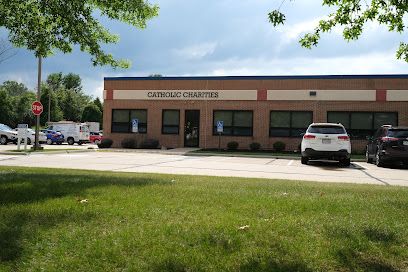
Georgetown, DE
Substance use treatment · Does not treat opioid addiction · Cognitive behavioral therapy
Accepts: Cash or self-payment, Medicaid, Medicare
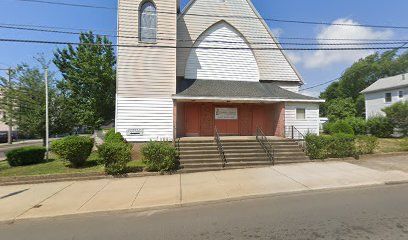
Dover, DE
Substance use treatment · Does not treat opioid addiction · Cognitive behavioral therapy
Accepts: Cash or self-payment, Medicaid, Medicare
Georgetown, DE
Substance use treatment · Cognitive behavioral therapy · Dialectical behavior therapy
Accepts: Cash or self-payment, Medicaid, Medicare
Newark, DE
Substance use treatment · Does not treat opioid addiction · Cognitive behavioral therapy
Accepts: Cash or self-payment, Medicaid, Private health insurance
Georgetown, DE
Smoking permitted in designated area · State Substance Abuse agency · State mental health department
Georgetown, DE
Smoking permitted in designated area · State Substance Abuse agency · The Joint Commission
Looking for medication treatment for opioid addiction? See methadone clinics in Delaware.
To receive immediate placement help from a treatment representative, call the sponsored hotline — available 24/7.
Delaware's size shapes almost everything about getting into treatment here. It is the second-smallest state in the country, divided into just three counties (New Castle, Kent, and Sussex), so the trip from a rural Sussex County town to a hospital-based program near Wilmington is measured in an hour or two, not a day. That compactness cuts both ways. The densely populated I-95 corridor running through Wilmington and Newark holds most of the state's clinical capacity, while the southern half of farmland, small towns, and seasonal beach communities has historically carried thinner coverage and longer waits. Delaware has also been hit unusually hard by the opioid and fentanyl crisis, ranking among the states with the highest overdose death rates in the nation for much of the past decade — though confirmed overdose deaths fell sharply in 2024, dropping roughly 36% from 527 in 2023 to 338, according to the Delaware Department of Health and Social Services. State policy has pushed back. Delaware expanded Medicaid under the Affordable Care Act, effective January 1, 2014, widened access to the overdose-reversal drug naloxone, and built out statewide treatment-referral services. If you or someone you love is looking for help, a small state at least means fewer places to fall through the cracks, and a real chance to find care within reach of home.
Sober Nation currently lists 44 treatment centers across Delaware, and because clinical resources cluster in the north and center of the state, those listings roughly track where people live. Dover leads with 10 centers, followed closely by Wilmington with 9 and Georgetown with 6. Newark accounts for 5, Claymont for 3, and Bear and New Castle for 2 each, while Ellendale, Harrington, and Milford each have a single listed provider. That spread matters when you are weighing a program a few minutes from home against one you may have to drive to, especially in Sussex County, where the options thin out fast once you leave Georgetown.
These local counts sit against a much heavier statewide backdrop. Delaware's overdose mortality rate has ranked among the worst in the United States for years, driven largely by fentanyl and heroin rather than prescription pills alone, even as confirmed overdose deaths fell about 36% in 2024, to 338 from 527 the year before. Statewide, an estimated 17.9% of Delaware residents aged 12 and older meet the criteria for a substance use disorder in a given year, and only a small share actually receive treatment: among those classified as needing substance use treatment, an estimated 77.6% did not get it, according to SAMHSA's 2022–2023 National Survey on Drug Use and Health. That gap between who needs care and who gets it is exactly why moving quickly, once someone is ready to accept help, is worth the effort.
The mix of services in Delaware points most people toward community-based care rather than a hospital bed, so it helps to know what each level actually involves. Outpatient treatment is by far the most available, offered by 82% of listed centers, which means you can attend counseling and group sessions while living at home and keeping a job, school, or family routine intact. Medication-assisted treatment (MAT), which pairs FDA-approved medications such as buprenorphine or methadone with counseling for opioid or alcohol use disorders, is offered by 73% of centers, a direct reflection of how central the opioid response has become in this state. Aftercare, the ongoing support that follows a more intensive program, is available at 77% of listings, and it is often what protects early recovery. More intensive levels are scarcer: 18% of centers provide residential, live-in care, and just 11% offer medically supervised detox. If safely getting through withdrawal is your first concern, that smaller detox share is worth planning around, so call ahead to confirm a bed is open before you arrive. For many people the right entry point is an assessment at an outpatient program, which can refer up to detox or residential care when the level of need calls for it.
Cost is the first barrier many Delaware families run into, and here public insurance covers a lot of ground. Among the centers listed on Sober Nation, 82% accept Medicaid and 55% accept Medicare, a strong base of coverage, particularly since Delaware expanded Medicaid eligibility under the Affordable Care Act, effective January 1, 2014, which opened the program to adults earning up to 138% of the federal poverty level who previously did not qualify. The federal Mental Health Parity and Addiction Equity Act (MHPAEA) also requires most health plans that cover substance use treatment to do so on terms no more restrictive than other medical care, so a plan cannot arbitrarily shortchange addiction services. The 55% of centers that accept Medicare matters in a state with a large and growing population of older adults, for whom alcohol misuse and long-term prescription use are real concerns. If you carry private insurance, call both the treatment center and your insurer to confirm which levels of care are covered and what your out-of-pocket share will be. And if you are uninsured or underinsured, the state's Division of Substance Abuse and Mental Health funds publicly supported treatment for adults and can point you toward sliding-scale or grant-funded options. Do not assume you cannot afford help until you have asked.
Compare payment options, including sliding-scale fees and Medicaid: low-cost rehab centers in Delaware.
A handful of Delaware-specific organizations can help you find care, understand your rights, and get support along the way:
You do not have to sort through all of this alone. Any one of these is a legitimate, no-cost place to start, and the people who answer these lines talk with Delaware families in exactly your situation every day.
Speak with a treatment representative about programs across Delaware.
Finding treatment is a personal decision. We help you compare options, explain how advertising works on our site, and give you a way to flag information that needs updating.
Facility listings show contact details so you can ask a center about its services, availability and costs.
Our listing standardsFeatured listings and the sponsored helpline are advertising. A paid placement is not a clinical recommendation.
About advertisingPrograms and availability can change. Confirm licensing, services and insurance coverage directly with a facility before choosing care.
How listings workSee an outdated phone number or a closed facility? Let us know. Facility representatives can also request access to update their listing.
Report a correction