APT Foundation Inc Orchard Hill Treatment Services
North Haven, CT
- IOP
- MAT
Substance use treatment · All Clients in Opioid Treatment Program · SAMHSA-certified Opioid Treatment Program
Accepts: Cash or self-payment, Medicaid, Medicare


Find a free or private addiction rehab center in Connecticut. Use our search-by-city tool to find recovery near you.
207 centers found (41–60)
Centers must offer every checked Level of Care. Other categories match any checked option within each category.
North Haven, CT
Substance use treatment · All Clients in Opioid Treatment Program · SAMHSA-certified Opioid Treatment Program
Accepts: Cash or self-payment, Medicaid, Medicare
Hartford, CT
Substance use treatment · Accepts clients on opioid medication but prescribed elsewhere · Cognitive behavioral therapy
Accepts: Cash or self-payment, Medicaid, Medicare
Branford, CT
Substance use treatment · Accepts clients on opioid medication but prescribed elsewhere · Cognitive behavioral therapy
Accepts: Cash or self-payment, Medicaid, Medicare

New Haven, CT
Substance use treatment · SAMHSA-certified Opioid Treatment Program · Cognitive behavioral therapy
Accepts: Cash or self-payment, Medicaid, Private health insurance

Danielson, CT
Substance use treatment · Accepts clients on opioid medication but prescribed elsewhere · Cognitive behavioral therapy
Accepts: Cash or self-payment, Medicaid, Medicare
Stratford, CT
Substance use treatment · All Clients in Opioid Treatment Program · SAMHSA-certified Opioid Treatment Program
Accepts: Cash or self-payment, Medicaid, Medicare
Norwich, CT
Substance use treatment · SAMHSA-certified Opioid Treatment Program · Cognitive behavioral therapy
Accepts: Cash or self-payment, Medicaid, Medicare
New London, CT
Substance use treatment · Accepts clients on opioid medication but prescribed elsewhere · Cognitive behavioral therapy
Accepts: Cash or self-payment, Medicaid, Medicare
Hartford, CT
Substance use treatment · Cognitive behavioral therapy · Dialectical behavior therapy
Accepts: Cash or self-payment, Medicaid, Medicare

East Hartford, CT
Substance use treatment · Cognitive behavioral therapy · Dialectical behavior therapy
Accepts: Cash or self-payment, Medicaid, Medicare
Middletown, CT
Substance use treatment · SAMHSA-certified Opioid Treatment Program · Cognitive behavioral therapy
Accepts: Cash or self-payment, Medicaid, State-financed health insurance plan other than Medicaid
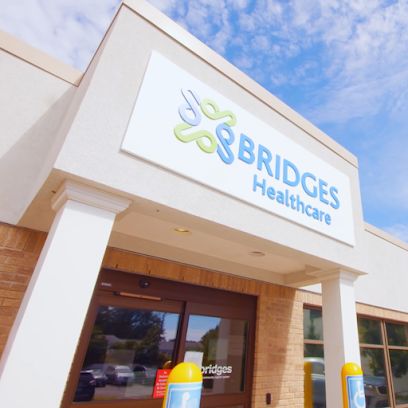
Milford, CT
Substance use treatment · Cognitive behavioral therapy · Dialectical behavior therapy
Accepts: Cash or self-payment, Medicaid, Medicare

Putnam, CT
Substance use treatment · SAMHSA-certified Opioid Treatment Program · Cognitive behavioral therapy
Accepts: Cash or self-payment, Medicaid, Medicare
Waterbury, CT
Substance use treatment · SAMHSA-certified Opioid Treatment Program · Cognitive behavioral therapy
Accepts: Cash or self-payment, Medicaid, Active duty military
New Haven, CT
Substance use treatment · Accepts clients on opioid medication but prescribed elsewhere · Cognitive behavioral therapy
Accepts: Cash or self-payment, Medicaid, Medicare
Bloomfield, CT
Substance use treatment · Cognitive behavioral therapy · Dialectical behavior therapy
Accepts: Cash or self-payment, Medicaid, Medicare
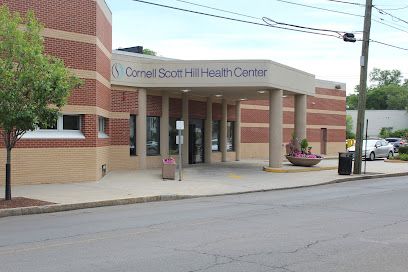
New Haven, CT
Substance use treatment · Cognitive behavioral therapy · Dialectical behavior therapy
Accepts: Cash or self-payment, Medicaid, State-financed health insurance plan other than Medicaid
Torrington, CT
Substance use treatment · Accepts clients on opioid medication but prescribed elsewhere · Cognitive behavioral therapy
Accepts: Cash or self-payment, Medicaid, Medicare
Bristol, CT
Substance use treatment · Cognitive behavioral therapy · Dialectical behavior therapy
Accepts: Cash or self-payment, Medicaid, Medicare

North Stonington, CT
Substance use treatment · Cognitive behavioral therapy · Dialectical behavior therapy
Accepts: Cash or self-payment, Medicaid, State-financed health insurance plan other than Medicaid
To receive immediate placement help from a treatment representative, call the sponsored hotline — available 24/7.
Connecticut compresses a big-city addiction problem into a small-state footprint. You can drive from the Long Island Sound shoreline to the Massachusetts border in under two hours, and most of the state's 169 towns sit within reach of a hospital or licensed clinic — a very different access picture than the rural stretches of the Mountain West or Deep South, where the nearest program can be hours away. The tradeoff here is intensity: the I-95 corridor linking Bridgeport, New Haven, and the New York line has long carried some of the Northeast's heaviest fentanyl traffic, and overdose deaths have pressed on Fairfield, New Haven, and Hartford counties alike.
Connecticut runs its public behavioral-health system through the Department of Mental Health and Addiction Services (DMHAS), and it insures lower-income residents through HUSKY Health, the state's Medicaid program. Connecticut was, in fact, the first state in the nation to broaden Medicaid eligibility to low-income adults under the Affordable Care Act, doing so in 2010 — a decision that still shapes how many people here can actually pay for care. For you or your loved one, that combination — dense provider coverage plus broad public insurance — matters as much as any single facility's brochure. The question is usually not whether care exists nearby, but which door to walk through first.
Sober Nation lists 207 treatment centers across Connecticut, and they cluster where the population does. New Haven and Hartford lead with 20 listed centers each, followed by Waterbury with 17 and Bridgeport with 15 — the state's four largest cities and the anchors of its treatment network. Beyond that top tier, Danbury lists 9 centers, Middletown 8, and Torrington and New London 7 apiece, while Norwalk and Norwich each list 6. That distribution tracks Connecticut's population centers rather than spreading evenly, so someone living in the quieter northeastern "Quiet Corner" may need to travel toward Hartford or Norwich to find a wider set of options.
Statewide, an estimated 19.1% of Connecticut residents aged 12 or older met the criteria for a substance use disorder in the past year, according to SAMHSA's 2022–2023 National Survey on Drug Use and Health, and among residents classified as needing substance use treatment, about 75.6% did not receive it — the so-called treatment gap. Overdose deaths, driven heavily by synthetic opioids such as fentanyl, have recently been falling: Connecticut recorded roughly 990 confirmed overdose deaths in 2024, down about 26% from 1,338 in 2023 and the third consecutive year of decline, with approximately three-quarters of deaths involving fentanyl. These figures move year to year and are collected differently by different agencies, so confirm the most recent numbers before you lean on any single one.
Not every Connecticut center offers every level of care, and the mix tells you where to start. Outpatient programs are the most common, available at 80% of listed centers — you live at home while attending scheduled counseling and group sessions, often as a first step for milder cases or as a step-down after more intensive care. Medication-assisted treatment (MAT), which pairs medications like buprenorphine or methadone with counseling for opioid and alcohol use disorders, is offered at 82% — the single most widely available service in the state. Aftercare, the ongoing support that follows a primary program, appears at 86% of centers and is what helps recovery hold once formal treatment ends.
The more intensive options are scarcer. Residential, or live-in, treatment is listed at just 23% of centers, and medically supervised detox at only 17%. If you or your loved one expects to need detox or a residential bed — often the safest place to start with heavy opioid, alcohol, or benzodiazepine use — plan on a shorter list and call ahead, because bed availability, not just clinical fit, will shape where you can begin. Many Connecticut programs also treat co-occurring mental health conditions alongside addiction, so if depression, anxiety, or trauma is part of the picture, ask specifically whether a center offers integrated dual-diagnosis care.
How you will pay often decides where you can go. Among Connecticut's listed centers, 92% accept Medicaid — an unusually high share that reflects the reach of HUSKY Health, the state's Medicaid program, and Connecticut's early move to expand eligibility under the Affordable Care Act, which it was the first state in the nation to do, back in 2010. If you are HUSKY-covered, your options are wide. Medicare is accepted at 57% of centers, so older adults and people on disability coverage have solid but somewhat narrower choices and may need to check a few programs before finding a fit.
Private and employer insurance is also widely accepted, and both state and federal parity laws — chiefly the federal Mental Health Parity and Addiction Equity Act — generally require health plans to cover substance use treatment on terms comparable to other medical care. For residents without insurance, DMHAS funds a network of state-supported programs that treat people based on need. Whatever your coverage, confirm in-network status and any prior-authorization requirements with both the facility and your plan before you commit — a center "accepting" your insurance does not always mean your care will be fully covered.
A few Connecticut-specific starting points can save you time and steer you away from misleading referral lines. The Connecticut Department of Mental Health and Addiction Services (DMHAS) is the state's SAMHSA-designated Single State Agency for substance use and mental health services; it funds programs, licenses providers, and can direct you toward state-supported treatment for uninsured or underinsured residents. NAMI Connecticut, the state chapter of the National Alliance on Mental Illness, offers free education, peer-led support groups, and a helpline for individuals and families affected by mental illness and co-occurring substance use. And if you or someone you love is in immediate crisis, the 988 Suicide & Crisis Lifeline connects you to trained counselors 24/7 by call or text; it responds to substance use and emotional crises, not only suicidal thoughts. Start with these public resources before handing your information to any for-profit line.
Speak with a treatment representative about programs across Connecticut.
Finding treatment is a personal decision. We help you compare options, explain how advertising works on our site, and give you a way to flag information that needs updating.
Facility listings show contact details so you can ask a center about its services, availability and costs.
Our listing standardsFeatured listings and the sponsored helpline are advertising. A paid placement is not a clinical recommendation.
About advertisingPrograms and availability can change. Confirm licensing, services and insurance coverage directly with a facility before choosing care.
How listings workSee an outdated phone number or a closed facility? Let us know. Facility representatives can also request access to update their listing.
Report a correction