SpectraCare Outpatient
Eufaula, AL
- Outpatient
- MAT
Substance use treatment · Cognitive behavioral therapy · Substance abuse counseling
Accepts: Cash or self-payment, Medicaid, Medicare


Find a free or private addiction rehab center in Alabama. Use our search-by-city tool to find recovery near you.
130 centers found (21–40)
Centers must offer every checked Level of Care. Other categories match any checked option within each category.
Eufaula, AL
Substance use treatment · Cognitive behavioral therapy · Substance abuse counseling
Accepts: Cash or self-payment, Medicaid, Medicare
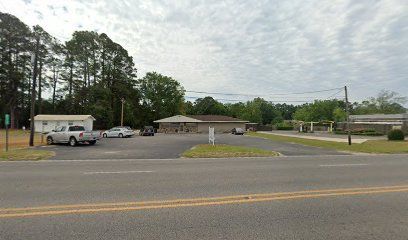
Geneva, AL
Substance use treatment · Cognitive behavioral therapy · Substance abuse counseling
Accepts: Cash or self-payment, Medicaid, Medicare
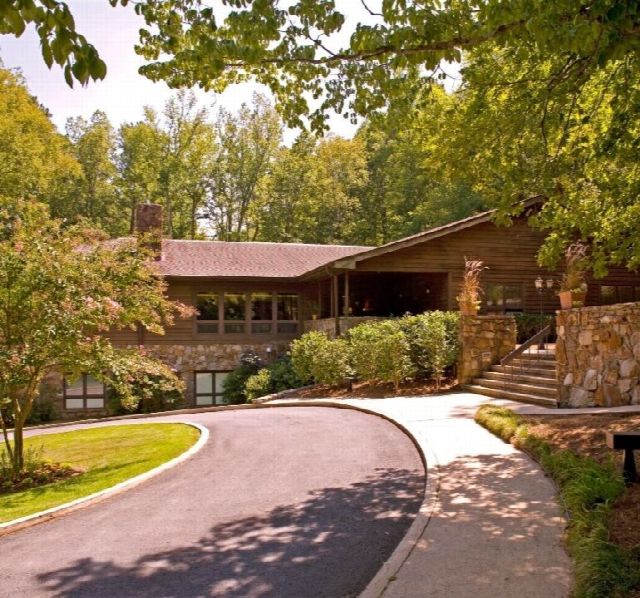
Madison, AL
Substance use treatment · Accepts clients on opioid medication but prescribed elsewhere · SAMHSA-certified Opioid Treatment Program
Accepts: Cash or self-payment, State-financed health insurance plan other than Medicaid, Private health insurance
Abbeville, AL
Substance use treatment · Cognitive behavioral therapy · Substance abuse counseling
Accepts: Cash or self-payment, Medicaid, Medicare

Huntsville, AL
Substance use treatment · Cognitive behavioral therapy · Dialectical behavior therapy
Accepts: Cash or self-payment, Medicaid, State-financed health insurance plan other than Medicaid
Dothan, AL
Substance use treatment · Accepts clients on opioid medication but prescribed elsewhere · Cognitive behavioral therapy
Accepts: Cash or self-payment, Medicaid, Medicare

Huntsville, AL
Substance use treatment · All Clients in Opioid Treatment Program · SAMHSA-certified Opioid Treatment Program
Accepts: Cash or self-payment, Active duty military, Military families

Mobile, AL
Substance use treatment · All Clients in Opioid Treatment Program · SAMHSA-certified Opioid Treatment Program
Accepts: Cash or self-payment, Medicaid, Medicare
Ozark, AL
Substance use treatment · Cognitive behavioral therapy · Substance abuse counseling
Accepts: Cash or self-payment, Medicaid, Medicare
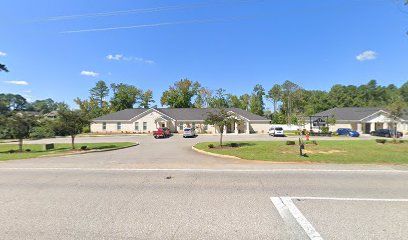
Dothan, AL
Substance use treatment · Cognitive behavioral therapy · Substance abuse counseling
Accepts: Cash or self-payment, Private health insurance, Active duty military
Attalla, AL
Substance use treatment · Does not use medication for opioid addiction · Accepts clients on opioid medication but prescribed elsewhere
Accepts: Cash or self-payment, Medicaid, Private health insurance
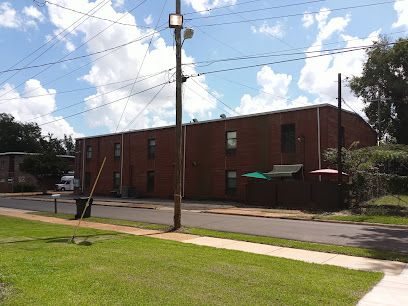
Tuscaloosa, AL
Substance use treatment · Does not use medication for opioid addiction · Cognitive behavioral therapy
Accepts: Cash or self-payment, Sliding fee scale, Payment assistance
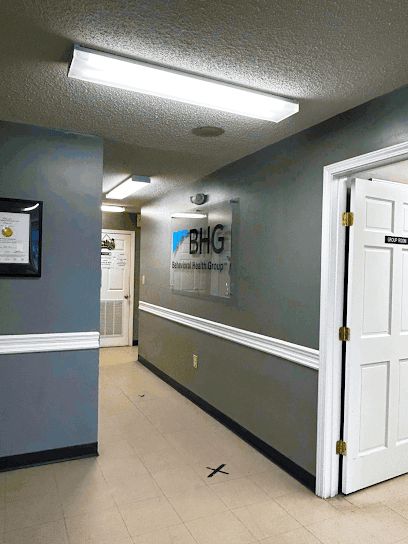
Cullman, AL
Substance use treatment · All Clients in Opioid Treatment Program · SAMHSA-certified Opioid Treatment Program
Accepts: Cash or self-payment, Medicaid, Medicare
Centre, AL
Substance use treatment · Does not use medication for opioid addiction · Accepts clients on opioid medication but prescribed elsewhere
Accepts: Cash or self-payment, Medicaid, Private health insurance
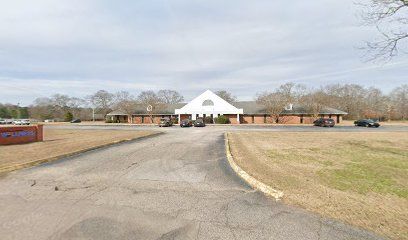
Clanton, AL
Substance use treatment · Accepts clients on opioid medication but prescribed elsewhere · Cognitive behavioral therapy
Accepts: Cash or self-payment, Medicaid, Medicare
Wetumpka, AL
Accepts clients on opioid medication but prescribed elsewhere · Cognitive behavioral therapy · Dialectical behavior therapy
Accepts: Cash or self-payment, Medicaid, Medicare
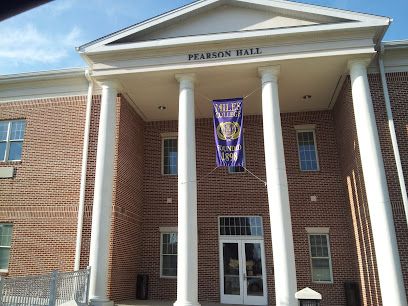
Birmingham, AL
Substance use treatment · Accepts clients on opioid medication but prescribed elsewhere · Cognitive behavioral therapy
Accepts: Cash or self-payment, Medicaid, Sliding fee scale
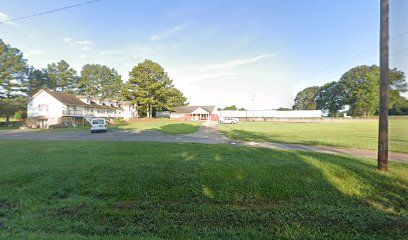
Rogersville, AL
Substance use treatment · Does not use medication for opioid addiction · Cognitive behavioral therapy
Accepts: Sliding fee scale, Payment assistance

Oxford, AL
Substance use treatment · All Clients in Opioid Treatment Program · SAMHSA-certified Opioid Treatment Program
Accepts: Cash or self-payment, Medicaid, Medicare
Prichard, AL
Substance use treatment · Accepts clients on opioid medication but prescribed elsewhere · Cognitive behavioral therapy
Accepts: Cash or self-payment, Sliding fee scale
Looking for medication treatment for opioid addiction? See methadone clinics in Alabama.
To receive immediate placement help from a treatment representative, call the sponsored hotline — available 24/7.
Sober Nation currently lists 132 treatment centers across Alabama, and where they sit tells its own story. They cluster in the state's population centers: Birmingham leads with 13 listed centers, followed by Huntsville with 12 and Mobile with 9. Mid-size cities fill out the map — Florence and Tuscaloosa each list 5, while Gadsden, Dothan, and Cullman each list 4, and Jasper and Fort Payne each list 3. That distribution mirrors a broader reality across Alabama: treatment capacity concentrates around metropolitan areas, leaving many rural counties with few or no local options and long drives to the nearest program.
Those listings only make sense against the scale of the need behind them. Statewide, an estimated 16.2% of Alabama residents aged 12 and older met the criteria for a substance use disorder in the past year (2022–2023 annual average, SAMHSA's National Survey on Drug Use and Health), and the treatment gap is stark — roughly 74% of those who needed substance use treatment did not receive it. Alabama's drug overdose death rate, a figure that climbed sharply during the fentanyl era, reached 33.9 deaths per 100,000 residents in 2023 (age-adjusted), above the national rate of 31.3, though provisional 2024 data point to the first meaningful decline in years. Read alongside the 132 programs listed here, those numbers show both how much capacity Alabama has built and how far it still has to stretch to meet demand.
Not every program offers every level of care, so understanding the mix helps you find the right place to start rather than the first door you knock on. Detox — medically supervised withdrawal that keeps you safe as substances leave your body — is offered by just 17% of listed Alabama centers, the smallest share of any level, so if you need supervised detox it is worth calling ahead to confirm a bed is open. Residential, or inpatient, care, where you live on-site around the clock, is available at 23% of centers. Outpatient treatment — which lets you keep living at home while attending scheduled counseling and group sessions — is by far the most common at 76%, and it is often the practical starting point for people balancing work, school, or family responsibilities.
Medication-assisted treatment (MAT), which pairs FDA-approved medications with counseling for opioid or alcohol use disorder, is offered by 48% of centers. That share matters in a state hit as hard by opioids as Alabama, because MAT is one of the most evidence-backed tools for staying in recovery. Aftercare — the ongoing support, alumni groups, and relapse-prevention planning that follow formal treatment — is nearly universal at 86%. Most people move through several of these levels in sequence rather than picking just one and stopping there.
Cost is usually the first question families ask, and in Alabama the coverage picture is broader than many people expect. Among listed centers, 73% accept Medicaid and 35% accept Medicare — so public insurance opens the door at a majority of programs, at least for those who qualify. The catch is eligibility. Alabama has not expanded Medicaid under the Affordable Care Act, so many low-income adults without dependent children fall into a coverage gap and may not qualify for Medicaid at all, even with little or no income.
If that describes your situation, do not assume treatment is off the table — ask each facility directly about sliding-scale fees, state-funded treatment slots, and monthly payment plans, since many programs set aside capacity for uninsured residents. Under the federal Mental Health Parity and Addiction Equity Act (MHPAEA), most commercial plans that cover substance use treatment must do so on terms no more restrictive than they apply to other medical care, so if you carry private insurance, verify your behavioral health benefits before ruling out a program on price alone. Ask exactly what a program will cost before you commit — you are your own best advocate here.
Compare payment options, including sliding-scale fees and Medicaid: free and low-cost rehab centers in Alabama.
A few Alabama-specific resources are worth keeping close before you start calling programs. The Alabama Department of Mental Health (ADMH) is the state's designated Single State Agency for substance use services; its Substance Abuse Services division certifies and funds treatment providers statewide and can point you toward publicly funded options if cost is a barrier. NAMI Alabama, the state chapter of the National Alliance on Mental Illness, offers free education programs, peer support groups, and advocacy for families dealing with co-occurring mental health and substance use concerns.
And if you or a loved one is in crisis right now, the 988 Suicide & Crisis Lifeline connects you with trained counselors 24 hours a day by call or text; it handles substance use and mental health emergencies, not only suicide. When you are unsure where to begin, start with a single phone call and ask plenty of questions — take a tour of the facility, and trust what you see.
Speak with a treatment representative about programs across Alabama.
Finding treatment is a personal decision. We help you compare options, explain how advertising works on our site, and give you a way to flag information that needs updating.
Facility listings show contact details so you can ask a center about its services, availability and costs.
Our listing standardsFeatured listings and the sponsored helpline are advertising. A paid placement is not a clinical recommendation.
About advertisingPrograms and availability can change. Confirm licensing, services and insurance coverage directly with a facility before choosing care.
How listings workSee an outdated phone number or a closed facility? Let us know. Facility representatives can also request access to update their listing.
Report a correction