
Prescription Drug Addiction: When Medication Becomes a Problem
Learn the signs of prescription drug addiction, understand the difference between physical dependence and addiction, and explore evidence-based treatment options for safer recovery.
By Tim StoddartNov 9, 2026Addiction Resources

In this article
- Key Highlights
- Commonly Misused Prescription Medication Classes
- 1. Prescription Opioids
- Submit Your Listing to Our Rehab Directory
- 2. CNS Depressants: Sedatives and Tranquilizers
- 3. Prescription Stimulants
- Understanding the Difference Between Physical Dependence and Addiction
- Recognizing the Signs of Prescription Drug Misuse
- Behavioral and Social Warning Signs
- Physical and Cognitive Warning Signs
- Comparing Prescription Drug Classes
- Evidence-Based Treatment Options for Prescription Drug Addiction
- Medically Supervised Medication Changes and Withdrawal Care
- Behavioral Therapies
- Submit Your Listing to Our Rehab Directory
- Managing Co-Occurring Conditions
- Frequently Asked Questions
- Is it safe to stop taking prescription medication cold turkey?
- Can someone become physically dependent on a prescription drug while taking it as directed?
- How is chronic pain managed when someone is recovering from opioid addiction?
- What should I do if I suspect a family member is misusing prescription medication?
- Are there alternatives to medications that may cause dependence for anxiety and sleep problems?
- Finding a Safer Path Forward
- Sources
Prescription Drug Addiction: When Medication Becomes a Problem
Prescription drug addiction occurs when a medication prescribed for a legitimate medical condition, such as chronic pain, anxiety, or sleep disturbances, begins to be used compulsively or outside medical guidance. Because these medications are legally dispensed by doctors and pharmacists, many people assume they are entirely safe. However, certain prescription medications can lead to tolerance, physical dependence, and substance use disorders, particularly when they are misused or taken for longer than recommended.
Prescription drug problems can develop gradually. A person may begin taking more medication than prescribed to achieve the same relief or feel unable to function without it. Recognizing the warning signs early and understanding available treatment options can help people seek appropriate care and begin recovery safely.
Key Highlights
- Medication Classes: Three commonly misused prescription drug categories are opioids, central nervous system depressants such as benzodiazepines, and stimulants.
- Dependence vs. Addiction: Physical dependence is the body's adaptation to a medication. Addiction involves compulsive use despite harmful consequences.
- Behavioral Warning Signs: Taking higher doses than prescribed, requesting early refills, obtaining medication from multiple sources, and hiding medication use can indicate a problem.
- Medical Supervision Matters: Abruptly stopping certain medications, especially benzodiazepines, can cause serious withdrawal complications.
- Comprehensive Treatment: Recovery may involve medical care, behavioral therapies, treatment for co-occurring conditions, and ongoing support.
Commonly Misused Prescription Medication Classes
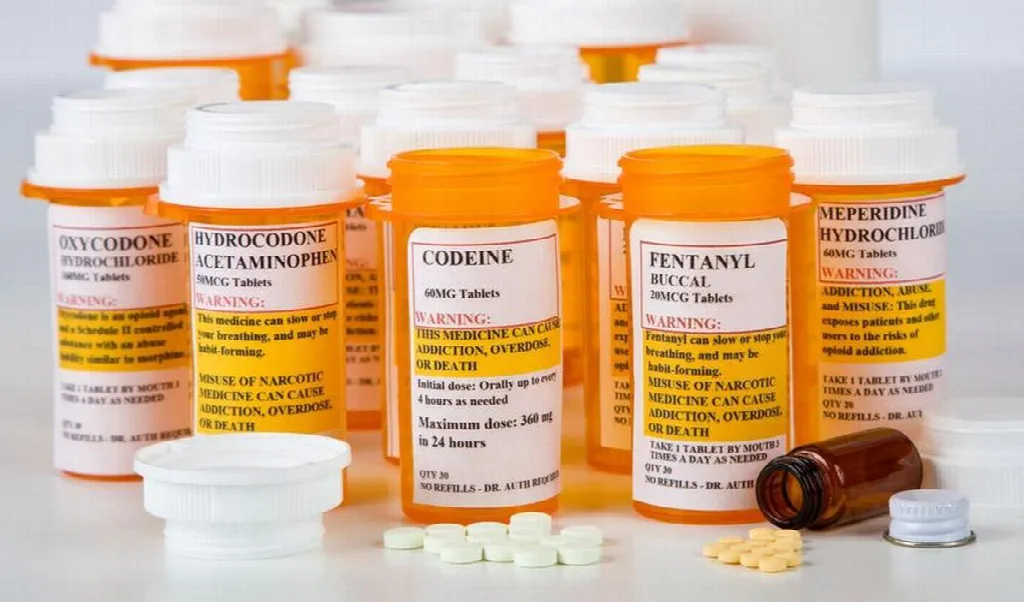
Prescription medications with potential for misuse fall into three main categories: opioids prescribed for pain, central nervous system depressants prescribed for anxiety or sleep disorders, and stimulants prescribed for attention disorders and other conditions. Each class affects the brain and body differently and carries specific risks.
The National Institute on Drug Abuse (NIDA) explains that prescription medications can affect brain systems involved in pain, alertness, mood, and reward. Their effects and risks depend on the medication, dose, duration of use, and individual circumstances.
Understanding the medication class can help patients and families recognize potential risks. Anyone concerned about a prescription should speak with the prescribing healthcare professional or pharmacist rather than changing the dose independently.
1. Prescription Opioids
Prescription opioids are used to manage certain types of acute and chronic pain. They act on opioid receptors in the brain and nervous system to reduce pain. Some also produce feelings of relaxation or euphoria.
- Common medications: Oxycodone, hydrocodone, morphine, and codeine.
- Potential risks: Physical dependence, tolerance, constipation, drowsiness, and dangerously slowed breathing, particularly when misused or combined with other sedating substances.
Submit Your Listing to Our Rehab Directory
Sober Nation is one of the nation’s leading recovery resources, dedicated to helping people struggling with substance abuse disorder find treatment options that can get them on a path to sobriety.
To get listed in our directory, please fill out the contact form below.
2. CNS Depressants: Sedatives and Tranquilizers
Central nervous system depressants slow certain brain activities. Some are prescribed for anxiety, panic disorders, or sleep problems. Benzodiazepines are one commonly prescribed group of these medications.
- Common medications: Alprazolam (Xanax), diazepam (Valium), and lorazepam (Ativan). Certain prescription sleep medications also have misuse and dependence risks.
- Potential risks: Drowsiness, impaired coordination, memory problems, physical dependence, and dangerous withdrawal complications if some medications are stopped suddenly.
3. Prescription Stimulants
Prescription stimulants increase activity in certain brain systems involved in attention and alertness. They may be prescribed for attention-deficit/hyperactivity disorder (ADHD) and other conditions.
- Common medications: Methylphenidate (Ritalin or Concerta) and amphetamine-based medications such as Adderall and Vyvanse.
- Potential risks: Insomnia, reduced appetite, increased heart rate, anxiety, and other cardiovascular or psychological effects, especially when taken in ways other than prescribed.
Understanding the Difference Between Physical Dependence and Addiction
Physical dependence and addiction are related, but they are not the same. Physical dependence occurs when the body adapts to a medication. If the medication is reduced or stopped, withdrawal symptoms may occur. Tolerance can also develop, meaning the same dose may produce a different effect over time.
Addiction, clinically described as a substance use disorder, involves a pattern of compulsive substance use, difficulty controlling use, and continued use despite significant harm. A person can develop physical dependence while taking a medication exactly as prescribed, and physical dependence alone does not establish that the person has an addiction.
This distinction matters because people who experience physical dependence after legitimate medical treatment should not automatically feel ashamed or assume they have an addiction. A healthcare professional can assess the situation and help determine the safest next steps.
If a medication seems less effective or you feel concerned about how you are using it, speak openly with your prescribing healthcare provider. Do not increase your dose or stop the medication on your own.
Recognizing the Signs of Prescription Drug Misuse

Prescription drug misuse can develop gradually. Warning signs may involve changes in behavior, relationships, physical health, and daily responsibilities. The signs can vary depending on the medication involved.
Behavioral and Social Warning Signs
- Frequently requesting early refills or reporting lost medication.
- Seeking prescriptions from multiple healthcare providers without coordinating care.
- Taking medication in a way or at a dose different from the prescription instructions.
- Using medication prescribed to another person or obtaining pills from unofficial sources.
- Withdrawing from family, friends, hobbies, work, or school responsibilities.
- Becoming secretive about medication use or experiencing unexplained financial difficulties.
- Continuing to use medication despite problems it is causing in daily life.
Physical and Cognitive Warning Signs
- Opioids: Drowsiness, constipation, slowed breathing, pinpoint pupils, and impaired coordination.
- CNS depressants: Slurred speech, unsteady movement, memory problems, confusion, and excessive sleepiness.
- Stimulants: Reduced appetite, weight loss, insomnia, restlessness, increased heart rate, and anxiety.
These signs do not prove that someone has an addiction. They can also have other medical explanations. A healthcare professional can help assess what is happening and recommend appropriate care.
Comparing Prescription Drug Classes
This overview summarizes common prescribed uses, possible effects, and withdrawal considerations for the three main prescription medication classes discussed in this article.
| Medication Class | Common Prescribed Uses | Possible Effects | Withdrawal Considerations |
|---|---|---|---|
| Prescription opioids | Management of certain types of acute and chronic pain | Pain relief, drowsiness, constipation, and slowed breathing | Withdrawal may involve muscle aches, sweating, nausea, diarrhea, anxiety, and cravings. Medical support can help manage symptoms and reduce risks. |
| CNS depressants | Some anxiety disorders, panic symptoms, and sleep conditions | Sedation, reduced anxiety, impaired coordination, and memory effects | Withdrawal from some medications, particularly benzodiazepines, can be dangerous and may involve seizures. A medically supervised taper may be necessary. |
| Prescription stimulants | ADHD and certain other conditions | Increased alertness, reduced appetite, and elevated heart rate | Stopping after prolonged or heavy use may cause fatigue, low mood, sleep changes, increased appetite, and cravings. |
Withdrawal experiences vary by medication, dose, duration of use, and individual health. This table is a general overview, not a substitute for medical advice.
Evidence-Based Treatment Options for Prescription Drug Addiction

Treatment for prescription drug addiction depends on the medication involved, the person's health, and the severity of the problem. Care may include medical assessment, supervised medication changes, behavioral therapy, treatment for co-occurring conditions, and ongoing recovery support.
The Substance Abuse and Mental Health Services Administration (SAMHSA) provides information about medications used to treat substance use disorders. Treatment should be individualized and guided by qualified healthcare professionals.
Medically Supervised Medication Changes and Withdrawal Care
Some people need medical support when reducing or stopping a prescription medication. For benzodiazepines, suddenly stopping or reducing the dose too quickly can cause severe withdrawal, including seizures. A healthcare professional can determine whether a gradual taper is appropriate and develop a plan based on the person's circumstances.
For opioid use disorder, medications such as buprenorphine and methadone are established treatment options. These medications can reduce cravings and withdrawal symptoms and support ongoing recovery. A qualified provider can explain which options are appropriate.
Do not attempt to detox from prescription medication or change a prescribed dose without discussing it with a healthcare professional.
Behavioral Therapies
Behavioral therapies can help people understand patterns of medication use, manage triggers, and develop healthier ways to cope with stress and difficult emotions.
- Cognitive Behavioral Therapy (CBT): Helps people identify unhelpful thought patterns, recognize triggers, and develop practical coping skills.
- Contingency Management: Uses structured incentives to reinforce treatment participation and recovery-related behaviors in appropriate programs.
- Motivational Interviewing: Helps people explore their reasons for change and strengthen their motivation to take steps toward recovery.
Submit Your Listing to Our Rehab Directory
Want to add your rehab or treatment center to the SoberNation directory? Call (866) 207-7436 to get started.
Managing Co-Occurring Conditions
Prescription medications are often first used to treat genuine health conditions, including chronic pain, anxiety, and insomnia. Recovery planning should address these underlying concerns rather than simply removing a medication without an alternative care plan.
Depending on the person's needs, a treatment team may recommend non-medication approaches, alternative medications, physical rehabilitation, psychological therapy, or other appropriate services. Ongoing communication between healthcare providers can help coordinate safe and effective care.
Frequently Asked Questions
Is it safe to stop taking prescription medication cold turkey?
It depends on the medication, but stopping suddenly can be dangerous. Abruptly stopping benzodiazepines can cause severe withdrawal complications, including seizures. Stopping opioids can cause significant withdrawal symptoms and may increase the risk of returning to use. Speak with a healthcare professional before changing or stopping a prescription.
Can someone become physically dependent on a prescription drug while taking it as directed?
Yes. Physical dependence can develop with some medications even when they are taken according to a prescription. This does not automatically mean someone has an addiction. A healthcare professional can assess symptoms and help determine whether a medication adjustment or supervised taper is needed.
How is chronic pain managed when someone is recovering from opioid addiction?
Pain care can involve several approaches, depending on the cause and severity of the pain. A healthcare provider may consider non-opioid medications, physical therapy, rehabilitation, psychological approaches to pain management, or other appropriate treatments. People receiving care for opioid use disorder should discuss pain management with their treatment team.
What should I do if I suspect a family member is misusing prescription medication?
Approach the person with compassion rather than blame. Explain the specific changes you have noticed, listen to their concerns, and offer to help them speak with a healthcare professional or addiction specialist. Avoid making sudden medication changes on their behalf.
Are there alternatives to medications that may cause dependence for anxiety and sleep problems?
There may be other treatment options depending on the condition. These can include psychotherapy, cognitive behavioral therapy for insomnia (CBT-I), sleep habit changes, and certain alternative medications. A qualified healthcare provider can help determine which approaches are suitable.
Finding a Safer Path Forward
Prescription medications can provide important relief for pain, anxiety, sleep problems, and other medical conditions. However, when medication use becomes difficult to control or begins causing harm, it is important to seek help. Understanding the difference between physical dependence and addiction can reduce stigma and help people make informed decisions about treatment.
Recovery does not mean managing pain or emotional distress alone. It means working with qualified healthcare professionals to find safe, effective ways to address medical needs and support long-term well-being.
If you or someone you care about is struggling with prescription medication misuse, consider speaking with a primary care provider, addiction medicine specialist, or licensed treatment professional. Support is available, and seeking help is a meaningful first step.
Sources
- National Institute on Drug Abuse (NIDA): Prescription Medicines and Over-the-Counter Drugs
- Substance Abuse and Mental Health Services Administration (SAMHSA): Medications for Substance Use Disorders
- Centers for Disease Control and Prevention (CDC): Prescription Opioid Awareness
About the author
Tim Stoddart
Spiritual gangster. I love dogs, music and the blank page. Grateful to be sober. Join my mailing list for TimStodz and join my Facebook Page.
Ready to take the next step?
Recovery starts with finding the right treatment. Browse rehab centers, detox programs, and sober living homes in our nationwide directory.
Choose your next step
Keep reading, with a purpose
Related Articles

My Family Shunned Me. But It's What Saved Me.
Alcohol Withdrawal Timeline: What to Expect From the First 24 Hours to Recovery

What are Prescription Drugs? A Guide to Safe Use & Recovery?
5 Countries With the Worst Drug Problems

12 Signs Your Teenager is Using Drugs

Why Do People Keep Using Drugs Even When They Want to Stop?
Leave a Reply
Your email address will not be published. Required fields are marked *