
Opioid Withdrawal Timeline: Symptoms and Medical Options
Understand the opioid withdrawal timeline, common physical and emotional symptoms, and evidence-based medical treatment options for safer recovery.
By Tim StoddartSep 23, 2026Addiction Treatment
In this article
- Key Highlights
- Understanding the Opioid Withdrawal Timeline
- Phase 1: Early Withdrawal (Hours 8 to 24)
- Phase 2: Peak Withdrawal (Days 2 to 4)
- Phase 3: Late Withdrawal and Subsidence (Days 5 to 10)
- Substance-Specific Timeline Differences
- Post-Acute Withdrawal Symptoms
- Submit Your Listing to Our Rehab Directory
- Medical Options for Managing Opioid Withdrawal
- Medication-Assisted Treatment (MAT)
- Non-Opioid Withdrawal Medications
- Comparison of Primary Opioid Detox and Treatment Options
- Factors to Consider When Evaluating Treatment Options
- Submit Your Listing to Our Rehab Directory
- Frequently Asked Questions
- Is opioid withdrawal dangerous or life-threatening?
- What is precipitated withdrawal?
- Can you manage opioid withdrawal at home?
- How long do opioid cravings last after withdrawal?
- What is the Clinical Opiate Withdrawal Scale (COWS)?
- Finding Support and Moving Forward
- Sources
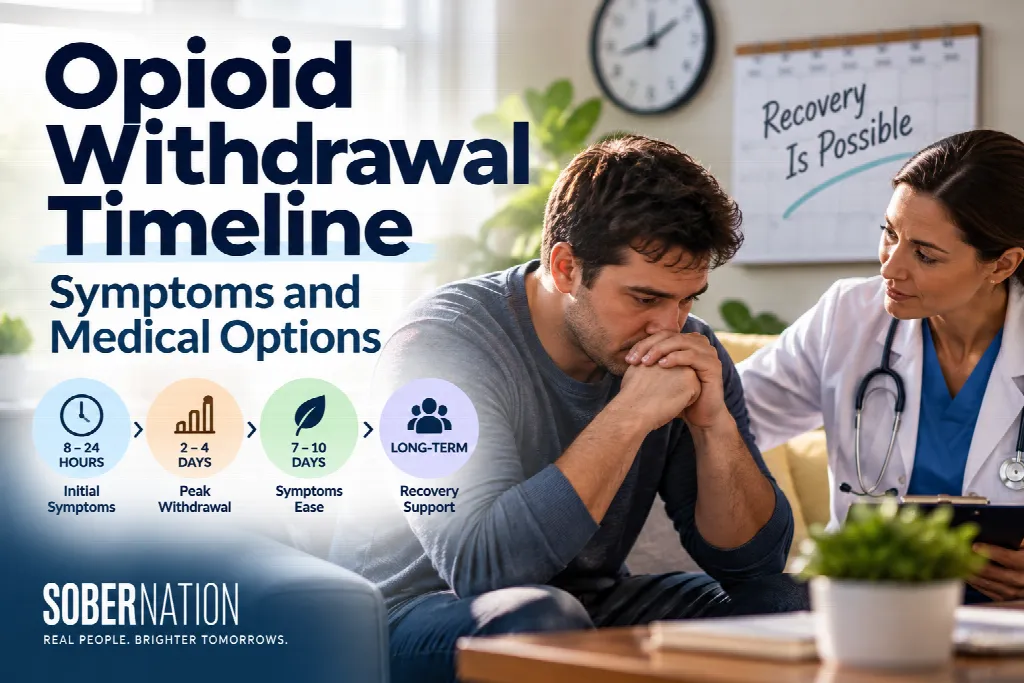
The opioid withdrawal timeline typically begins within 8 to 24 hours after the last dose, reaches its peak intensity between days 2 and 4, and gradually subsides over 7 to 10 days. Short-acting opioids like heroin or immediate-release prescription painkillers can trigger symptoms early, while long-acting opioids like methadone or extended-release formulations may delay the onset of withdrawal for up to 48 hours. While acute withdrawal is rarely life-threatening on its own, the severe physical and emotional discomfort makes professional medical supervision and evidence-based treatment important for a safer recovery.
Navigating opioid withdrawal can feel overwhelming, especially when managing unpredictable physical distress and intense cravings. Knowing what to expect at each stage can help reduce uncertainty and allow individuals and their families to make informed decisions about medical detox, medication-assisted treatment, and long-term recovery support.
Key Highlights
- Timeline Onset: Short-acting opioids can trigger symptoms in 8 to 12 hours, while long-acting opioids may take 24 to 48 hours.
- Peak Phase: Physical symptoms usually peak within 48 to 72 hours, bringing intense flu-like discomfort and psychological distress.
- Medical Safety: While acute opioid withdrawal is seldom fatal, complications such as dehydration or severe vomiting can require medical attention.
- Evidence-Based Care: Medications such as buprenorphine, methadone, and lofexidine can reduce withdrawal symptoms and cravings when used under appropriate medical care.
- Long-Term Recovery: Some people experience lingering anxiety, sleep disruptions, or mood changes for weeks or months following acute withdrawal.
Understanding the Opioid Withdrawal Timeline
Withdrawal occurs because the central nervous system adapts to the persistent presence of opioids. When the drug is suddenly reduced or stopped, the body experiences a period of rebound hyperactivity. The precise duration and intensity of symptoms depend heavily on the specific substance used, duration of use, daily dosage, and individual factors.
Phase 1: Early Withdrawal (Hours 8 to 24)
For short-acting opioids such as heroin, oxycodone, or hydrocodone, early withdrawal symptoms usually appear within 8 to 12 hours of the last dose. For long-acting opioids like methadone, this stage may not begin for 24 to 48 hours.
Common early symptoms include:
- Watery eyes and runny nose
- Frequent yawning and restlessness
- Excessive sweating and chills
- Muscle aches and joint stiffness
- Heightened anxiety and trouble sleeping
Early symptoms are sometimes mistaken for a common cold or flu, but they can occur alongside increasing cravings and an urge to use opioids to relieve discomfort. Recognizing these early signs can help individuals seek professional medical assistance before symptoms reach peak intensity.
If you or a loved one plans to discontinue opioid use, avoid stopping abruptly without discussing a medical plan with a healthcare professional. Reaching out for professional support early can provide access to appropriate treatment and symptom management.
Phase 2: Peak Withdrawal (Days 2 to 4)
The peak phase represents the most physically demanding portion of the opioid withdrawal timeline. For short-acting opioids, peak symptoms typically occur between 48 and 72 hours. For long-acting opioids, peak discomfort may extend from day 3 through day 6.
During peak withdrawal, gastrointestinal and autonomic symptoms can become more pronounced. Common symptoms include:
- Severe abdominal cramping, nausea, vomiting, and diarrhea
- Rapid heart rate and elevated blood pressure
- Dilated pupils and goosebumps
- Muscle spasms and twitching
- Strong cravings, agitation, and emotional distress
Persistent vomiting and diarrhea can create a risk of dehydration and electrolyte disturbances. The intensity of withdrawal can also make it difficult for some people to continue without professional support.
Medical detoxification programs can provide clinical monitoring, supportive care, and medications when appropriate to help manage withdrawal symptoms and reduce complications.
Phase 3: Late Withdrawal and Subsidence (Days 5 to 10)
By day 5 or 6, acute physical symptoms may begin to lose their intensity. Gastrointestinal distress can slow down, physical soreness may subside, and sleep patterns can begin the process of stabilization.
While physical discomfort may diminish substantially between days 7 and 10, lingering fatigue, weakness, mood changes, and psychological cravings can remain for some individuals.
Completing the acute withdrawal phase is an important milestone, but physical stabilization is only one part of recovery. Continuing with structured treatment, counseling, or peer support can provide a stronger foundation for long-term recovery.
Substance-Specific Timeline Differences
Not all opioids move through the body at the same speed. The pharmacological profile of the specific substance plays an important role in defining the withdrawal experience.
- Heroin: Onset in 8–12 hours; peaks at 36–72 hours; acute phase lasts approximately 5–7 days.
- Short-Acting Prescription Painkillers: Oxycodone, hydrocodone, and morphine may produce withdrawal symptoms within approximately 8–14 hours, with symptoms often peaking within 48–72 hours.
- Fentanyl: Withdrawal timing can vary considerably. Symptoms may begin within several hours, but the timing can differ depending on exposure and individual factors.
- Methadone: Onset may occur in 24–48 hours, with peak symptoms occurring later and acute withdrawal potentially lasting longer than withdrawal from short-acting opioids.
- Buprenorphine: Withdrawal may begin later than with short-acting opioids and can involve milder but more prolonged symptoms.
Post-Acute Withdrawal Symptoms
For some individuals, certain symptoms can persist after the acute physical phase has resolved. These lingering symptoms may include emotional, cognitive, and sleep-related difficulties.
Possible symptoms include:
- Persistent anxiety, irritability, or mood changes
- Difficulty experiencing pleasure
- Sleep disturbances and insomnia
- Cognitive fatigue and difficulty focusing
- Unexpected or recurring drug cravings
These symptoms can fluctuate over time. Understanding that recovery can continue beyond the acute withdrawal phase may help individuals recognize the need for ongoing support rather than viewing lingering difficulties as a permanent condition.
Working with an addiction counselor, maintaining a structured routine, practicing stress-management techniques, and staying connected with recovery communities can provide additional support during longer-term recovery.
Submit Your Listing to Our Rehab Directory
Sober Nation is one of the nation’s leading recovery resources, dedicated to helping people struggling with substance abuse disorder find treatment options that can get them on a path to sobriety.
To get listed in our directory, please fill out the contact form below.
Medical Options for Managing Opioid Withdrawal
Attempting to undergo opioid withdrawal without medical assistance can be extremely uncomfortable and may make continued recovery more difficult. Medical professionals can assess individual risks and determine which treatment options are appropriate.
Medication-Assisted Treatment (MAT)
Medication-assisted treatment combines approved medications with counseling and behavioral support to address opioid use disorder.
- Buprenorphine: A partial opioid agonist that can reduce withdrawal symptoms and cravings. It is used under medical supervision and must be initiated at an appropriate point in withdrawal to reduce the risk of precipitated withdrawal.
- Methadone: A full opioid agonist used in the treatment of opioid use disorder. It can reduce withdrawal symptoms and cravings and is provided through regulated treatment programs.
- Naltrexone: An opioid antagonist that blocks opioid receptors. It does not treat active withdrawal and must be started after an appropriate period without opioids to avoid precipitating withdrawal.
Non-Opioid Withdrawal Medications
Some non-opioid medications may be used to help manage specific withdrawal symptoms.
- Lofexidine: A medication used to reduce certain physical symptoms associated with opioid withdrawal, including sweating, chills, and rapid heart rate.
- Clonidine: An antihypertensive medication that may be used off-label in some detox settings to help reduce symptoms related to autonomic nervous system activation.
- Symptom-Specific Medications: Healthcare providers may recommend medications or supportive treatments for symptoms such as nausea, diarrhea, muscle aches, and sleep difficulties.
Comparison of Primary Opioid Detox and Treatment Options
| Medication / Approach | Type / Mechanism | Primary Benefit | Key Considerations |
|---|---|---|---|
| Buprenorphine | Partial Opioid Agonist | Can relieve withdrawal symptoms and reduce long-term cravings. | Must be initiated at an appropriate stage of withdrawal to reduce the risk of precipitated withdrawal. |
| Methadone | Full Opioid Agonist | Can reduce withdrawal symptoms and cravings in people with opioid use disorder. | Provided through regulated opioid treatment programs. |
| Lofexidine / Clonidine | Alpha-2 Adrenergic Agonists | Can reduce certain physical symptoms associated with opioid withdrawal. | May affect blood pressure and does not replace comprehensive treatment for opioid use disorder. |
| Naltrexone | Opioid Antagonist | Blocks opioid effects and can be used as part of ongoing treatment after detoxification. | Requires an opioid-free period before initiation. |
Factors to Consider When Evaluating Treatment Options
Selecting an approach to managing opioid withdrawal depends on individual circumstances. Key factors to discuss with a clinical team include:
- Medical History: Pre-existing cardiovascular, hepatic, or psychiatric conditions may require specific medical monitoring during withdrawal.
- Substance History: The types of opioids used, average daily doses, and whether other substances such as alcohol or benzodiazepines are involved can affect treatment planning.
- Environment and Support: Inpatient residential detox provides continuous medical oversight, while outpatient care may be appropriate for some people with lower medical risk and stable support at home.
- Long-Term Goals: Detoxification addresses withdrawal and physical dependence, while long-term recovery may involve behavioral therapy, counseling, medication treatment, and ongoing support.
Submit Your Listing to Our Rehab Directory
Want to add your rehab or treatment center to the SoberNation directory? Call (866) 207-7436 to get started.
Frequently Asked Questions
Is opioid withdrawal dangerous or life-threatening?
Opioid withdrawal is generally not directly fatal for otherwise healthy adults, unlike severe alcohol or benzodiazepine withdrawal. However, severe vomiting and persistent diarrhea can contribute to dehydration and electrolyte disturbances. Reduced opioid tolerance after detoxification can also increase overdose risk if a person returns to opioid use. Medical supervision can help manage withdrawal and reduce these risks.
What is precipitated withdrawal?
Precipitated withdrawal can occur when buprenorphine is taken while full opioid agonists are still active in the body's receptors. Because buprenorphine has a high affinity for opioid receptors, it can displace other opioids and cause withdrawal symptoms to appear rapidly. Healthcare professionals determine when treatment should begin based on clinical assessment.
Can you manage opioid withdrawal at home?
Some people attempt to manage opioid withdrawal at home, but medical evaluation is important when opioid dependence is present, particularly when other substances or medical conditions are involved. Outpatient medical treatment can provide prescriptions, monitoring, and clinical support while allowing eligible individuals to remain at home.
How long do opioid cravings last after withdrawal?
Physical cravings may decrease as acute withdrawal resolves, but psychological cravings can continue or return for weeks or months. Ongoing treatment, including medication treatment when appropriate, counseling, and recovery support, can help people manage persistent cravings.
What is the Clinical Opiate Withdrawal Scale (COWS)?
The Clinical Opiate Withdrawal Scale (COWS) is an assessment tool used by clinicians to measure the severity of opioid withdrawal. It evaluates physical signs and symptoms such as pulse rate, pupil size, sweating, resting tremor, and gastrointestinal symptoms and can help clinicians determine treatment decisions.
Finding Support and Moving Forward
Understanding the opioid withdrawal timeline can help reduce some of the uncertainty surrounding the recovery process. While the acute phase can bring significant physical and emotional challenges, modern addiction treatment offers medical and behavioral options to help manage withdrawal and support longer-term recovery.
Physical detoxification is an important first step, but lasting recovery can also involve addressing the psychological, environmental, and behavioral aspects of opioid use disorder. Professional treatment programs, counseling, medication treatment, and peer support can provide structure throughout the recovery process.
If you or someone you care about is considering treatment for opioid use, speaking with a qualified healthcare professional or addiction treatment provider can help identify appropriate options.
Sources
- Substance Abuse and Mental Health Services Administration (SAMHSA). TIP 63: Medications for Opioid Use Disorder. SAMHSA
- National Institute on Drug Abuse (NIDA). How Do Opioids Cause Dependence and Addiction? NIDA
- U.S. Food and Drug Administration (FDA). Information about Medications for Opioid Use Disorder (MOUD). FDA
- National Library of Medicine (NIH / NCBI). Opioid Withdrawal. StatPearls Publishing. NCBI
About the author
Tim Stoddart
Spiritual gangster. I love dogs, music and the blank page. Grateful to be sober. Join my mailing list for TimStodz and join my Facebook Page.
Opioid and heroin recovery stories
In their own words, from people in the Sober Nation community.
Before
Substance abuse almost destroyed my soul. I always felt empty and used drugs & alcohol to fill that void.
Today
“I Absolutely Love Life! I had to want to get & stay sober! I'm now dedicated to my family and GOD and taking care of myself and helping others to achieve sobriety!”
Gregory M. · 7 years sober
Read Gregory’s storyBefore
My addiction felt like I was trapped in hell with no way out.
Today
“643 days clean and life is better than ever....”
Sean H. · 8 years sober
Read Sean’s storyBefore
I was addicted to heroin at 16 years old. I woke up every day just to relive the same hell over & over. I was miserable, lost and alone.
Today
“My sober life is incredible! I have been sober for 8 years.”
Gabi H. · 15 years sober
Read Gabi’s storyReady to take the next step?
Recovery starts with finding the right treatment. Browse rehab centers, detox programs, and sober living homes in our nationwide directory.
Choose your next step
Keep reading, with a purpose
Leave a Reply
Your email address will not be published. Required fields are marked *