

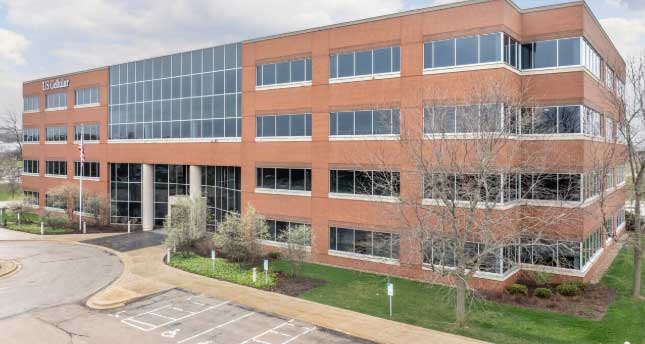
At a Glance
Location
11101 West Lincoln Avenue, Milwaukee, WI 53227
Phone
414-327-3000Website
http://www.rogersbh.orgPrimary Focus
Treatment Settings
Treatment Approaches
Special Programs
About Rogers Behavioral Health Milwaukee
Rogers Behavioral Health Milwaukee offers residential, inpatient, outpatient, and telehealth programs for adults, teens, and children facing addiction and co-occurring mental health conditions. Located in West Allis, WI, this Joint Commission-accredited recovery center brings together multiple levels of structured care under one system, serving people at every stage of the recovery journey.
Rogers Behavioral Health Milwaukee is a Joint Commission-accredited mental health and addiction treatment facility located at 11101 W Lincoln Ave in West Allis, Milwaukee County, Wisconsin. The center operates around the clock, seven days a week, and addresses both addiction and co-occurring conditions — including depression, anxiety, trauma, PTSD, and bipolar disorder — within a single integrated system of care. For people seeking more than a short-term fix, Rogers offers a continuum designed to support recovery well beyond an initial stabilization period.
The center provides a full spectrum of addiction treatment and mental health programs, including residential treatment, inpatient treatment, outpatient treatment, partial hospitalization, intensive outpatient, and telehealth options. This range means a person can step down gradually through levels of care — from a more structured residential or inpatient setting to intensive outpatient programming — rather than transitioning abruptly from high-level care back into daily life. The availability of telehealth also extends access for those managing recovery alongside work, school, or family responsibilities.
Therapeutic methods at Rogers Milwaukee draw on Cognitive Behavioral Therapy, Dialectical Behavior Therapy, Exposure and Response Prevention, Prolonged Exposure Therapy, Behavioral Activation, and Transcranial Magnetic Stimulation (TMS). Experiential therapy, spiritual care, and nutrition services round out the program, addressing dimensions of wellness that purely clinical approaches often overlook. The treatment of co-occurring disorders is a defining feature here — addiction is treated alongside conditions like OCD, emotional dysregulation, and serious and persistent mental illness rather than in isolation.
Rogers Milwaukee serves a notably broad population: adults, young adults ages 18–20, teens, and children ages 8 and older. That age range makes it one of the few substance abuse treatment and mental health recovery centers in the Milwaukee area equipped to work with younger adolescents as well as adults managing long-term recovery. LegitScript certification adds an additional layer of transparency for families evaluating their options.
Addiction Treatment Programs at Rogers Milwaukee
Rogers Behavioral Health Milwaukee structures its addiction treatment around a continuum of care — a deliberate sequencing of program levels that allows people to move through recovery at a sustainable pace. Residential and inpatient treatment provide the most structured environment for those who need intensive support early in recovery. From there, partial hospitalization and intensive outpatient programs (IOP) offer a bridge between full-time residential care and independent living, keeping people connected to treatment while rebuilding daily routines.
Outpatient treatment and telehealth options extend that connection further, making it possible for people in longer-term recovery to maintain clinical support without disrupting work, school, or family life. For families navigating substance abuse treatment decisions, this step-down model reduces the abrupt gap that often leads to relapse after discharge from higher levels of care. The center operates 24 hours a day, every day of the week, reflecting a commitment to accessibility throughout the recovery process.
Co-Occurring Disorders and the Recovery Journey
One of the most consistent challenges in long-term recovery is the presence of co-occurring mental health conditions — depression, anxiety, PTSD, bipolar disorder, OCD, emotional dysregulation, and others that can both fuel addiction and complicate treatment. Rogers Milwaukee's programming directly addresses this reality. Rather than treating addiction as a standalone diagnosis, the center integrates mental health care into every level of the substance abuse treatment continuum.
Therapeutic methods include Cognitive Behavioral Therapy, Dialectical Behavior Therapy, Prolonged Exposure Therapy for trauma, and Exposure and Response Prevention for OCD — each chosen for its relevance to specific co-occurring conditions. Transcranial Magnetic Stimulation (TMS) is also available, offering a non-medication option for conditions like depression that frequently intersect with addiction. Spiritual care and nutrition services address dimensions of recovery that clinical therapy alone does not always reach. For people who have struggled in treatment programs that addressed only one condition at a time, this integrated model represents a meaningful difference.
Who Rogers Milwaukee Serves
Rogers Behavioral Health Milwaukee serves adults, young adults (ages 18–20), teenagers, and children as young as 8 years old. The breadth of that age range is significant — most addiction treatment and mental health recovery centers focus exclusively on adult populations, leaving families to navigate separate systems for younger members. At Rogers Milwaukee, a teenager working through trauma-related substance use and a parent managing co-occurring addiction and depression can both access care within the same accredited system.
For families researching recovery options on behalf of a loved one, this matters. The ability to access residential treatment, intensive outpatient programming, and telehealth across age groups means a family does not have to rebuild trust with an entirely new provider as circumstances or ages change. Rogers Milwaukee's Joint Commission accreditation and LegitScript certification give families a verifiable quality benchmark when comparing substance abuse treatment programs in the Milwaukee area.
Levels of Care: From Residential Treatment to Outpatient Recovery
Choosing a recovery center means evaluating not just whether a program can help today, but whether it can support ongoing recovery over time. Rogers Milwaukee offers six documented levels of care — residential treatment, inpatient treatment, outpatient treatment, partial hospitalization (PHP), intensive outpatient (IOP), and telehealth — making it possible to receive continuous, coordinated care as recovery needs evolve. This structure is particularly relevant for people managing serious and persistent mental illness alongside addiction, where recovery is a long-term process rather than a single episode of treatment.
The intensive outpatient program is an especially important component for people re-entering daily life after residential or inpatient care. IOP provides structured therapeutic contact — including CBT and DBT — without requiring full-time residence, allowing people in recovery to begin rebuilding work, family, and community connections while still receiving meaningful clinical support. Telehealth extends this further, removing geographic and logistical barriers for those continuing their recovery in the community.
Why Choose Rogers Behavioral Health Milwaukee
- Full continuum from residential and inpatient treatment through partial hospitalization, intensive outpatient, and telehealth — supporting step-down recovery rather than abrupt discharge
- Treats addiction alongside co-occurring mental health conditions including PTSD, OCD, bipolar disorder, and eating disorders within a single integrated program
- Serves children ages 8 and older through adults, making it one of the few Milwaukee-area recovery centers equipped to treat the whole family across age groups
- Offers Transcranial Magnetic Stimulation (TMS) alongside CBT, DBT, and Prolonged Exposure Therapy — a clinical depth uncommon in standard outpatient rehab settings
- Joint Commission accredited and LegitScript certified, providing families with independently verified standards of care
Frequently Asked Questions
What levels of addiction treatment does Rogers Behavioral Health Milwaukee offer?
Rogers Milwaukee provides six levels of care: residential treatment, inpatient treatment, outpatient treatment, partial hospitalization (PHP), intensive outpatient (IOP), and telehealth. This continuum allows people to progress through increasingly independent stages of recovery without leaving the Rogers system of care. It is designed for those seeking sustained recovery support, not only acute stabilization.
Does Rogers Milwaukee treat co-occurring mental health and addiction conditions?
Yes. Rogers Milwaukee specializes in co-occurring disorders, meaning addiction is treated alongside mental health conditions such as depression, anxiety, PTSD, bipolar disorder, OCD, trauma, eating disorders, and emotional dysregulation. Integrated treatment across both areas is a defining feature of the center's approach across all levels of care.
What age groups does Rogers Behavioral Health Milwaukee serve?
Rogers Milwaukee serves children ages 8 and older, teenagers, young adults (ages 18–20), and adults. The inclusion of children and adolescents alongside adult populations makes it one of the more broadly accessible mental health and addiction treatment centers in the Milwaukee area.
What therapeutic methods are used in Rogers Milwaukee's substance abuse treatment programs?
Confirmed therapeutic methods include Cognitive Behavioral Therapy (CBT), Dialectical Behavior Therapy (DBT), Behavioral Activation, Exposure and Response Prevention, Prolonged Exposure Therapy, Transcranial Magnetic Stimulation (TMS), Experiential Therapy, Spiritual Care, and Nutrition Services. These approaches are applied across the residential, inpatient, and outpatient programs at the facility.
Is Rogers Behavioral Health Milwaukee accredited?
Rogers Milwaukee holds Joint Commission accreditation and LegitScript certification. Joint Commission accreditation is a widely recognized independent standard for quality in behavioral health and addiction treatment. LegitScript certification provides additional transparency for families researching treatment options online.
What is an intensive outpatient program (IOP) and does Rogers Milwaukee offer one?
An intensive outpatient program provides structured addiction treatment and mental health support on a scheduled basis without requiring overnight residential stay. Rogers Milwaukee confirms IOP as one of its levels of care, making it a viable option for people stepping down from residential or inpatient treatment or those whose circumstances require them to remain living at home during recovery.
Does Rogers Milwaukee offer telehealth for addiction and mental health treatment?
Yes, telehealth is a confirmed level of care at Rogers Behavioral Health Milwaukee. This option extends access to outpatient-level treatment for individuals managing recovery alongside work, school, or family responsibilities, and for those who may face logistical barriers to in-person programming.
What mental health conditions does Rogers Milwaukee treat alongside addiction?
Rogers Milwaukee treats a broad range of conditions alongside addiction, including obsessive-compulsive disorder, anxiety, depression, bipolar disorder, eating disorders, trauma, PTSD, emotional dysregulation, and serious and persistent mental illness. The center's focus on co-occurring disorders reflects the clinical reality that addiction rarely exists without accompanying mental health concerns.
How do I contact Rogers Behavioral Health Milwaukee?
Rogers Behavioral Health Milwaukee can be reached by phone at (414) 327-3000 or by email at [email protected]. The facility is located at 11101 W Lincoln Ave, West Allis, WI 53227 and operates 24 hours a day, seven days a week.
What is the difference between partial hospitalization and intensive outpatient at Rogers Milwaukee?
Both partial hospitalization (PHP) and intensive outpatient (IOP) are confirmed levels of care at Rogers Milwaukee and sit between inpatient treatment and standard outpatient programming. PHP typically involves more daily treatment hours and is suited for people who need substantial structure but do not require overnight residential care, while IOP generally allows for greater flexibility as recovery stabilizes. Both serve as key components of the step-down recovery continuum the center offers.
Nearby Treatment Centers
Community Medical Services West Allis
West Allis, WI
- Outpatient
- MAT
Substance use treatment · All Clients in Opioid Treatment Program · SAMHSA-certified Opioid Treatment Program
Accepts: Cash or self-payment, Medicaid, Medicare
Addiction Services and Pharmacotherapy West Allis
Milwaukee, WI
- Outpatient
- MAT
Substance use treatment · All Clients in Opioid Treatment Program · SAMHSA-certified Opioid Treatment Program
Accepts: Cash or self-payment, Medicaid, Medicare

American Behavioral Clinics
Milwaukee, WI
- Detox
- IOP
- MAT
Substance use treatment · Accepts clients on opioid medication but prescribed elsewhere · Cognitive behavioral therapy
Accepts: Cash or self-payment, Medicaid, Medicare
Alternatives in Psychological Consultation SC
West Allis, WI
- Outpatient
Substance use treatment · Accepts clients on opioid medication but prescribed elsewhere · Cognitive behavioral therapy
Accepts: Cash or self-payment, Medicaid, Medicare
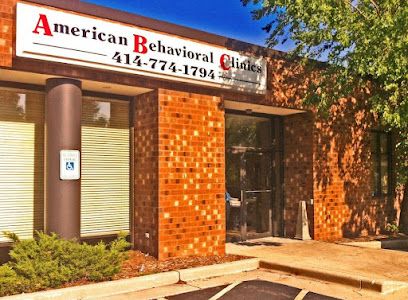
American Behavioral Clinics
Milwaukee, WI
- Detox
- Outpatient
- MAT
Substance use treatment · Accepts clients on opioid medication but prescribed elsewhere · Cognitive behavioral therapy
Accepts: Cash or self-payment, Medicaid, State-financed health insurance plan other than Medicaid
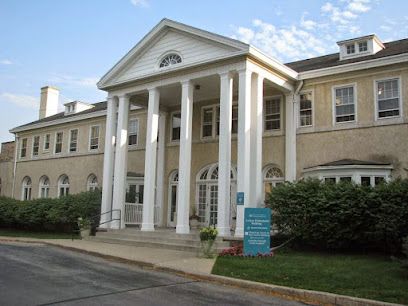
Aurora Psychiatric Hospital
Wauwatosa, WI
- Detox
- Residential
- MAT
- Sober Living
Substance use treatment · Accepts clients on opioid medication but prescribed elsewhere · Cognitive behavioral therapy
Accepts: Cash or self-payment, Medicaid, Medicare