


At a Glance
Location
1220 Dewey Avenue, Wauwatosa, WI 53213
Phone
(414) 454-6600Primary Focus
Treatment Settings
Treatment Approaches
Special Programs
About Aurora Psychiatric Hospital
Aurora Psychiatric Hospital in Milwaukee, WI offers outpatient and intensive outpatient addiction treatment for adults navigating co-occurring disorders and trauma alongside substance use. Accredited by CARF and part of the Ascension health network, the program accepts Medicaid, Medicare, TRICARE, private insurance, and self-pay. Women and individuals who are Deaf or Hard of Hearing are among the specific populations served.
Aurora Psychiatric Hospital is a CARF-accredited substance use treatment facility located at 2323 North Lake Drive in Milwaukee, Wisconsin, operating under the Ascension health system. For adults in Milwaukee County who are looking beyond acute crisis care and toward sustained recovery, the facility offers structured outpatient programming designed to support longer-term sobriety. Its position within one of Wisconsin's most recognized health networks gives it a clinical infrastructure that smaller standalone programs may not match.
The center provides two distinct levels of outpatient addiction treatment: a standard Outpatient Program and an Intensive Outpatient Program (IOP). These levels of care are particularly well suited for individuals who need structured support without stepping away from their daily lives, families, or work — a meaningful option for those transitioning from a higher level of care or entering treatment for the first time. Both formats are available seven days a week, with the facility operating on a 24-hour schedule.
Aurora Psychiatric Hospital's clinical approach incorporates Cognitive Behavioral Therapy (CBT), a well-researched therapeutic method frequently used in substance use and co-occurring disorder treatment. The program is specifically designed to address co-occurring disorders and dual diagnosis, meaning clients dealing with both mental health conditions and addiction can receive integrated care under one roof. Trauma and PTSD treatment is also a confirmed part of the clinical scope, reflecting an understanding that unaddressed trauma is often intertwined with substance use.
The facility serves women and individuals who are Deaf or Hard of Hearing as designated populations — a degree of specialization that matters when choosing a recovery partner. Payment access is broad, covering Medicaid, Medicare, TRICARE, private insurance, state insurance, and self-pay options, which removes a significant barrier for many Milwaukee-area residents seeking ongoing substance abuse treatment. For those building a long-term recovery plan in southeastern Wisconsin, Aurora Psychiatric Hospital offers a clinically grounded outpatient path with flexible financial access.
Outpatient & IOP Addiction Treatment in Milwaukee, WI
Aurora Psychiatric Hospital provides two outpatient levels of addiction treatment in Milwaukee: a standard Outpatient Program and an Intensive Outpatient Program (IOP). These formats give people in recovery the clinical structure they need while preserving the daily routines — jobs, families, community ties — that support long-term sobriety. For individuals transitioning from residential treatment or entering recovery for the first time, this kind of flexible programming can be the difference between sustained recovery and relapse.
The facility operates seven days a week on a 24-hour schedule, signaling a commitment to accessibility that goes beyond standard business hours. As part of the Ascension health network, Aurora Psychiatric Hospital brings institutional clinical resources to outpatient substance abuse treatment — an unusual combination in the Milwaukee recovery landscape.
Co-Occurring Disorders & Trauma Treatment
A defining feature of Aurora Psychiatric Hospital's substance use programming is its clinical focus on co-occurring disorders and dual diagnosis. Many people entering outpatient or IOP care are managing both a mental health condition and a substance use disorder simultaneously — and treating only one without addressing the other rarely leads to durable recovery. The facility is structured to treat both together.
Trauma and PTSD treatment is also a confirmed part of the program's clinical scope. Unresolved trauma frequently underlies substance use, and its inclusion as a treatment focus reflects a clinical understanding of what keeps people caught in cycles of use. Cognitive Behavioral Therapy (CBT) is the identified therapeutic method, offering clients practical tools for recognizing and shifting the thought and behavior patterns tied to addiction.
Who Aurora Psychiatric Hospital Serves
Aurora Psychiatric Hospital specifically serves women and individuals who are Deaf or Hard of Hearing — two populations whose needs are not always fully addressed in general addiction treatment settings. For women navigating substance use alongside trauma or co-occurring mental health conditions, having a program that explicitly recognizes their population matters. For individuals who are Deaf or Hard of Hearing, finding a treatment program that is prepared to serve them can be a significant barrier; Aurora Psychiatric Hospital removes that barrier.
Services are provided in English. The facility accepts a wide range of payment types, including Medicaid, Medicare, TRICARE, private insurance, state insurance, and self-pay, making it one of the more financially accessible outpatient recovery centers in the Milwaukee area.
Paying for Addiction Treatment at Aurora Psychiatric Hospital
Cost is one of the most common reasons people delay or avoid addiction treatment. Aurora Psychiatric Hospital accepts Medicaid and Medicare, which opens outpatient and IOP services to Wisconsin residents who might otherwise face significant financial obstacles. TRICARE coverage makes the program accessible to military-connected individuals and their families — a population with specific and often underserved treatment needs.
Private insurance and state insurance are also accepted, and self-pay is an option for those without coverage. Prospective clients or family members can reach the facility directly at (414) 454-6600 to discuss payment options before committing to a program.
Why Choose Aurora Psychiatric Hospital
- CARF-accredited outpatient and IOP programming integrated within the Ascension health system in Milwaukee
- Specialized services for women and individuals who are Deaf or Hard of Hearing — not a one-size-fits-all program
- Dual diagnosis and trauma/PTSD treatment are built into the clinical scope, not add-ons
- CBT-based treatment addresses thought patterns driving substance use — relevant for long-term recovery maintenance
- Broad payment access including Medicaid, Medicare, TRICARE, and state insurance makes treatment reachable for Milwaukee-area residents at various income levels
Frequently Asked Questions
What levels of care does Aurora Psychiatric Hospital offer for substance use treatment?
Aurora Psychiatric Hospital offers two outpatient levels of addiction treatment: a standard Outpatient Program and an Intensive Outpatient Program (IOP). These options are designed for individuals who need structured substance abuse treatment while maintaining their daily responsibilities. The facility does not list residential or inpatient detox among its confirmed levels of care.
Does Aurora Psychiatric Hospital treat co-occurring mental health and substance use disorders?
Yes. Co-occurring disorders and dual diagnosis treatment is a confirmed part of the clinical program at Aurora Psychiatric Hospital. The facility is equipped to address both mental health conditions and substance use simultaneously, which is critical for individuals whose conditions are intertwined. Trauma and PTSD are also treated as part of the program.
What therapeutic approach does Aurora Psychiatric Hospital use in its addiction treatment programs?
Aurora Psychiatric Hospital uses Cognitive Behavioral Therapy (CBT) as its identified therapeutic method. CBT is widely used in substance use and co-occurring disorder treatment because it helps individuals identify and change thought patterns and behaviors that contribute to addiction. This approach supports skills that remain useful throughout long-term recovery.
Which populations does Aurora Psychiatric Hospital specifically serve?
The facility specifically serves women and individuals who are Deaf or Hard of Hearing. These designated populations reflect a level of specialization that sets Aurora Psychiatric Hospital apart from general outpatient programs. Services are provided in English.
What insurance and payment options does Aurora Psychiatric Hospital accept?
Aurora Psychiatric Hospital accepts Medicaid, Medicare, TRICARE, private insurance, state insurance, and self-pay. This broad range of accepted payment methods makes outpatient and IOP addiction treatment accessible to a wide range of Milwaukee-area residents, including those with public insurance or military-connected coverage.
Is Aurora Psychiatric Hospital accredited?
Yes. Aurora Psychiatric Hospital holds CARF accreditation, which is a recognized standard in behavioral health and substance use treatment. CARF accreditation indicates that the facility has met established benchmarks for quality and accountability in its clinical programming.
What are Aurora Psychiatric Hospital's operating hours?
Aurora Psychiatric Hospital operates 24 hours a day, seven days a week. This schedule applies across all days, including weekends, making it more accessible for individuals whose work or family commitments make standard weekday-only programming difficult.
Where is Aurora Psychiatric Hospital located?
The facility is located at 2323 North Lake Drive in Milwaukee, Wisconsin 53211, within Milwaukee County. It is part of the Ascension health system. Prospective clients or family members can call (414) 454-6600 for more information.
Is Aurora Psychiatric Hospital a good fit for someone transitioning from residential treatment?
Aurora Psychiatric Hospital's Outpatient Program and Intensive Outpatient Program (IOP) are appropriate levels of care for individuals stepping down from a higher level of treatment. IOP in particular provides more clinical contact hours than standard outpatient, which can be valuable during the earlier, more vulnerable phases of recovery following residential or inpatient care.
Does Aurora Psychiatric Hospital offer services for military veterans or their families?
Aurora Psychiatric Hospital accepts TRICARE, which is the insurance program used by active duty military members, veterans, and their families. This makes the facility's outpatient and IOP addiction treatment programs financially accessible to military-connected individuals in the Milwaukee area.
Nearby Treatment Centers

Alternatives in Psychological Consultation SC
West Allis, WI
- Outpatient
Substance use treatment · Accepts clients on opioid medication but prescribed elsewhere · Cognitive behavioral therapy
Accepts: Cash or self-payment, Medicaid, Medicare

American Behavioral Clinics
Milwaukee, WI
- Detox
- IOP
- MAT
Substance use treatment · Accepts clients on opioid medication but prescribed elsewhere · Cognitive behavioral therapy
Accepts: Cash or self-payment, Medicaid, Medicare
SAQH Behavioral Health Inc
Milwaukee, WI
- Outpatient
- MAT
Substance use treatment · Cognitive behavioral therapy · Dialectical behavior therapy
Accepts: Cash or self-payment, Medicaid, Medicare
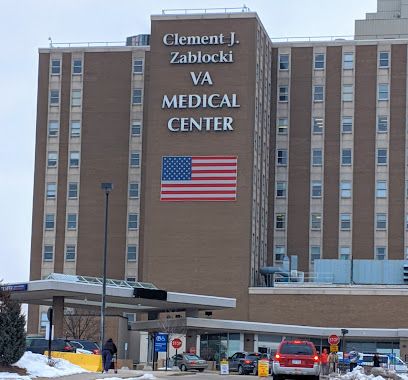
Zablocki Veterans Affairs Medical Ctr
Milwaukee, WI
- Detox
- Residential
- IOP
- MAT
Substance use treatment · Cognitive behavioral therapy · Dialectical behavior therapy
Accepts: Private health insurance, Military insurance, Active duty military
Meta House Inc Outpatient Program
Milwaukee, WI
- PHP
- IOP
Substance use treatment · Accepts clients on opioid medication but prescribed elsewhere · Cognitive behavioral therapy
Accepts: Cash or self-payment, Medicaid, Private health insurance

Wisconsin Community Services Inc DBA Unlimited Potential
Milwaukee, WI
- Outpatient
Substance use treatment · Accepts clients on opioid medication but prescribed elsewhere · Cognitive behavioral therapy
Accepts: Cash or self-payment, Medicaid, Private health insurance