

 1 / 3
1 / 3At a Glance
Location
644 East 79th Street, Chicago, IL 60619
Phone
773-567-6661Primary Focus
Treatment Settings
Treatment Approaches
Special Programs
About Last Call DUI Servs and Counseling Ctr
Last Call DUI Services and Counseling Center offers outpatient and intensive outpatient addiction treatment in Chicago's South Side, serving a wide range of individuals including veterans, adolescents, and court-ordered clients. The center applies Cognitive Behavioral Therapy to address substance use alongside co-occurring conditions such as trauma and PTSD, making it a resource for people pursuing structured recovery without residential placement.
Last Call DUI Services and Counseling Center is a substance use treatment facility located at 644 East 79th Street in Chicago, Illinois, in the heart of Cook County's South Side. For individuals and families evaluating outpatient-based recovery options in the Chicago area, the center offers structured programming designed to fit around work, family, and community commitments — a practical entry point for those ready to commit to long-term recovery without stepping away from daily life.
The center provides two levels of outpatient care: a standard Outpatient Program and an Intensive Outpatient Program (IOP). The IOP level is particularly suited for people who need more clinical contact than traditional outpatient allows but do not require residential treatment. Both tracks are available across an extended weekly schedule, with evening hours Monday through Thursday until 8:00 p.m. and Saturday availability, giving clients meaningful flexibility in how they engage with their recovery program.
Cognitive Behavioral Therapy (CBT) anchors the clinical work at Last Call. CBT is a structured, skills-focused approach that helps clients identify the thought patterns and behaviors driving substance use, making it a strong fit for people also navigating co-occurring disorders or dual diagnosis concerns. The center specifically addresses trauma and PTSD alongside substance use, recognizing that unresolved trauma is frequently at the core of long-term recovery challenges.
Last Call serves a notably broad population — adolescents, young adults (18–25), men, women, seniors, pregnant women, veterans, and individuals with HIV/AIDS, as well as those with court-ordered treatment requirements. Financial assistance is available alongside self-pay options, lowering barriers for community members who might otherwise delay care. That combination of clinical range, flexible scheduling, and accessible payment options positions Last Call as a recovery partner for people across many different life circumstances on Chicago's South Side.
Outpatient & IOP Addiction Treatment on Chicago's South Side
Last Call DUI Services and Counseling Center provides outpatient substance abuse treatment in the 60619 zip code on Chicago's South Side, offering two distinct levels of care: a standard Outpatient Program and an Intensive Outpatient Program (IOP). For people in recovery who need consistent clinical support without enrolling in a residential treatment program, these tracks offer a meaningful middle ground — structured enough to build real momentum, flexible enough to integrate into everyday life.
The center's extended hours — evenings until 8:00 p.m. on weekdays and Saturday morning sessions — reflect a practical understanding of what community-based recovery actually requires. Clients are not asked to choose between their obligations and their treatment. That scheduling flexibility, combined with two distinct program intensities, means the level of care can match where a person genuinely is in their recovery, not just what is most convenient to provide.
CBT, Trauma Care, and Co-Occurring Disorder Treatment
Cognitive Behavioral Therapy (CBT) is the therapeutic foundation at Last Call. CBT equips people with practical tools to recognize and shift the thinking patterns that fuel substance use — skills that remain useful long after formal treatment ends. For individuals managing a dual diagnosis, this approach directly addresses the connection between mental health symptoms and addictive behavior, rather than treating each in isolation.
The center specifically treats trauma and PTSD alongside substance use disorders, which is significant. Research consistently shows that unaddressed trauma is one of the most common drivers of relapse and long-term recovery struggles. By folding trauma-informed work into the outpatient and IOP tracks, Last Call positions itself as a recovery center prepared to engage with the full complexity of what many clients are carrying — not just the substance use that brought them through the door.
Who Last Call Serves: A Community-Wide Recovery Resource
Few outpatient programs in Chicago explicitly name as many distinct populations as Last Call does. The center serves adolescents, young adults ages 18–25, men, women, seniors, pregnant women, veterans, individuals with HIV/AIDS, and clients with court-ordered treatment requirements. That breadth is not incidental — it reflects a facility designed to function as a genuine community recovery resource rather than a narrowly focused specialty clinic.
For families supporting a loved one across any of these groups, it means Last Call may be one of the few local outpatient options that can actually accept them. Court-ordered clients, in particular, benefit from a center experienced in meeting both clinical and legal documentation requirements. Veterans and individuals with co-occurring conditions find CBT-based programming that directly addresses trauma alongside substance use — a combination that matters for long-term recovery outcomes.
Paying for Outpatient Treatment at Last Call
Last Call DUI Services accepts self-pay and cash payments, and financial assistance is available for those who qualify. For individuals and families navigating cost as a barrier to starting a recovery program, the availability of financial assistance means that a conversation with the center is worth having before assuming treatment is out of reach.
The center can be reached directly at (773) 567-6661 or by email at [email protected]. Staff are available Monday through Thursday from 9:00 a.m. to 8:00 p.m., Friday and Saturday from 9:00 a.m. to 3:00 p.m. — hours designed to accommodate people who work during the day and need to connect in the evening or on weekends.
Why Choose Last Call DUI Servs and Counseling Ctr
- Intensive Outpatient Program (IOP) available alongside standard outpatient — two structured levels of care without residential requirement
- Extended evening hours Monday–Thursday and Saturday availability for clients balancing recovery with work or family obligations
- Explicitly serves court-ordered clients, veterans, adolescents, pregnant women, seniors, and individuals with HIV/AIDS — one of the broadest population ranges of any outpatient center in the area
- CBT-based treatment integrated with trauma and PTSD care, addressing co-occurring disorders as part of the core recovery program
- Financial assistance available, reducing access barriers for South Side Chicago community members
Frequently Asked Questions
What levels of care does Last Call DUI Services offer for addiction treatment?
Last Call offers two outpatient levels of care: a standard Outpatient Program and an Intensive Outpatient Program (IOP). The IOP provides more frequent clinical contact than standard outpatient while still allowing clients to live at home and maintain daily responsibilities. Neither level involves residential or inpatient placement.
Does Last Call treat co-occurring mental health conditions alongside substance use?
Yes. The center explicitly treats co-occurring disorders and dual diagnosis, as well as trauma and PTSD. Cognitive Behavioral Therapy (CBT) is the primary therapeutic method used, which is well-suited for addressing both substance use and underlying mental health conditions within the same treatment framework.
What therapy approach does Last Call use in its outpatient programs?
Cognitive Behavioral Therapy (CBT) is the confirmed therapeutic method at Last Call. CBT focuses on identifying and changing the thought patterns and behaviors connected to substance use, and it is particularly effective for clients also managing trauma, PTSD, or dual diagnosis concerns.
Who does Last Call DUI Services and Counseling Center serve?
The center serves a broad range of populations including adolescents, young adults (18–25), men, women, seniors, pregnant women, veterans, and individuals with HIV/AIDS. Last Call also accepts court-ordered clients, making it one of the more inclusive outpatient treatment options in Chicago's South Side.
Does Last Call accept court-ordered clients for substance abuse treatment?
Yes. Last Call is confirmed to serve court-ordered clients as part of its population. Clients with legal requirements tied to their treatment should contact the center directly at (773) 567-6661 to discuss program specifics and documentation needs.
What are the hours of operation at Last Call?
Last Call is open Monday through Thursday from 9:00 a.m. to 8:00 p.m., and Friday and Saturday from 9:00 a.m. to 3:00 p.m. Evening weekday hours make it accessible for people who work or have daytime obligations, which is a practical advantage for those in outpatient recovery programs.
How do I pay for treatment at Last Call DUI Services?
The center accepts self-pay and cash payments. Financial assistance is also available for those who need it. Prospective clients are encouraged to contact Last Call directly to discuss their financial situation and any assistance options that may apply.
Is Last Call a good fit for veterans seeking substance abuse treatment in Chicago?
Veterans are among the populations explicitly served at Last Call. The center's CBT-based programming and focus on trauma and PTSD treatment make it a clinically appropriate option for veterans whose substance use is connected to service-related trauma or co-occurring mental health conditions.
Where is Last Call DUI Services and Counseling Center located?
The center is located at 644 East 79th Street, Suite 9, in Chicago, Illinois 60619, on the city's South Side in Cook County. It can be reached by phone at (773) 567-6661 or by email at [email protected].
Does Last Call offer treatment for adolescents and young adults?
Yes. Adolescents and young adults ages 18–25 are among the confirmed populations served at Last Call. The center's outpatient and IOP tracks, combined with flexible scheduling and CBT-based programming, can accommodate younger clients at various stages of the recovery process.
Nearby Treatment Centers
GEO Group Inc Chatham ReEntry Center
Chicago, IL
- IOP
Substance use treatment · Accepts clients on opioid medication but prescribed elsewhere · Cognitive behavioral therapy
Accepts: Payment assistance
Henrys Sober Living House
Chicago, IL
- Residential
- MAT
- Sober Living
Substance use treatment · Substance abuse counseling · Smoking permitted in designated area
Accepts: Cash or self-payment, Medicaid, Medicare
NuWay Community Services Inc
Chicago, IL
- PHP
- IOP
- MAT
Substance use treatment · All Clients in Opioid Treatment Program · SAMHSA-certified Opioid Treatment Program
Accepts: Cash or self-payment, Medicaid, Medicare
Renewed Hope Community Services
Chicago, IL
- Outpatient
- MAT
Substance use treatment · All Clients in Opioid Treatment Program · SAMHSA-certified Opioid Treatment Program
Accepts: Cash or self-payment, Medicaid, State-financed health insurance plan other than Medicaid
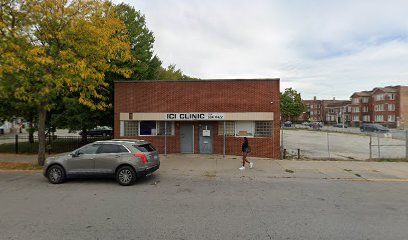
IJEGBA Community Inc
Chicago, IL
- Detox
- IOP
- MAT
Substance use treatment · SAMHSA-certified Opioid Treatment Program · Cognitive behavioral therapy
Accepts: Cash or self-payment, Medicaid, Medicare
Yana House
Chicago, IL
- Residential
- Sober Living
Substance use treatment · Accepts clients on opioid medication but prescribed elsewhere · Cognitive behavioral therapy
Accepts: Cash or self-payment, Sliding fee scale, Payment assistance