

 1 / 3
1 / 3At a Glance
Location
1600 York Street, Denver, CO 80206
Phone
303-320-1989 x211Primary Focus
Treatment Settings
Treatment Approaches
Special Programs
About Empowerment Program
The Empowerment Program in Denver, Colorado offers outpatient addiction treatment and intensive outpatient programming for a wide range of people — including veterans, pregnant women, transgender women, and those navigating co-occurring disorders. By pairing Cognitive Behavioral Therapy and harm reduction with wraparound services like re-entry support and community outreach, the program addresses the full scope of barriers that can disrupt lasting recovery.
Located at 1600 York Street in Denver's Congress Park neighborhood, the Empowerment Program is an outpatient clinic built around removing the practical and personal barriers — housing, education, employment, and health — that stand between people and stable, long-term recovery. Rather than focusing narrowly on acute stabilization, the program situates substance abuse treatment inside a broader framework of community support and social reintegration, making it a distinct resource for Denver residents working toward lasting change.
The program offers two levels of outpatient care: a standard Outpatient Program and an Intensive Outpatient Program (IOP). Both are structured to accommodate the realities of daily life, with the clinic open Monday, Wednesday, Thursday, and Friday from 8:30 AM to 5:00 PM, and Tuesday afternoons from 1:00 to 5:00 PM. This schedule allows clients to maintain work, family, or housing commitments while engaging in consistent addiction treatment — a key advantage for anyone who cannot step away from community responsibilities for residential treatment.
Clinically, the Empowerment Program draws on Cognitive Behavioral Therapy (CBT), harm reduction principles, and acudetox — an acupuncture-based technique used as a complement to traditional substance abuse treatment. The program also addresses trauma and PTSD alongside co-occurring mental health disorders, recognizing that for many people, sustained recovery depends on treating the whole picture rather than substance use in isolation. Financial assistance is available, lowering one of the most common barriers to entering care.
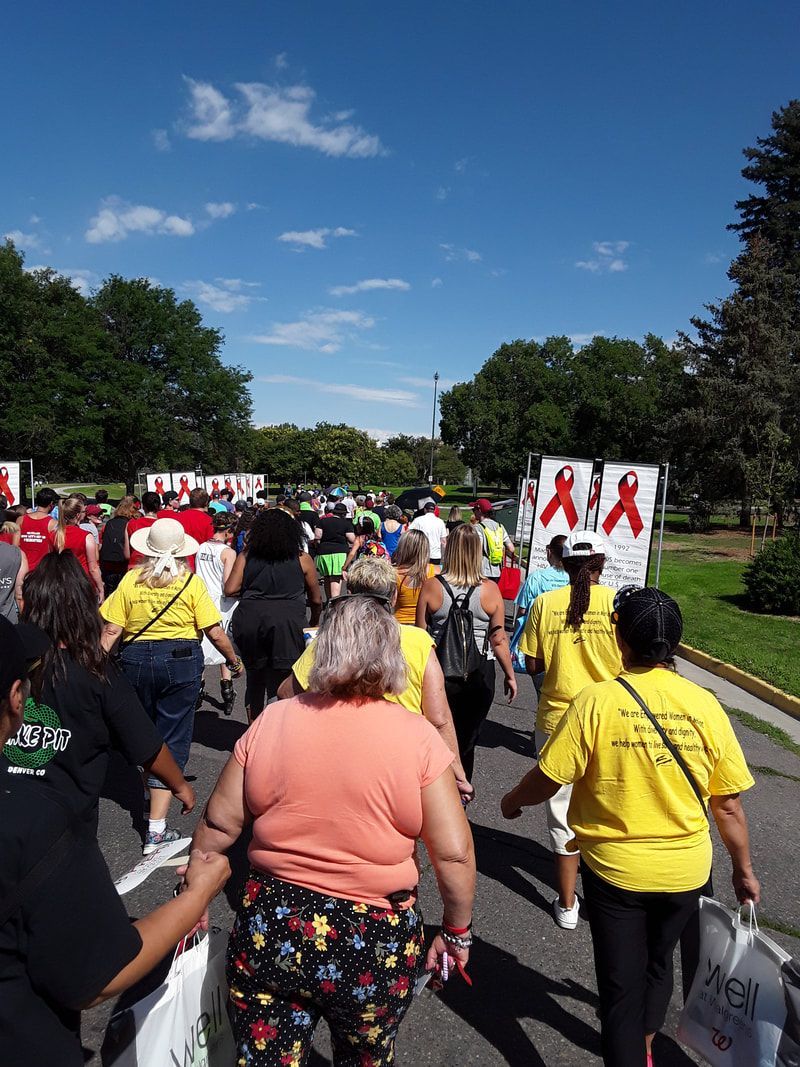
The Empowerment Program serves an unusually broad range of populations: veterans, pregnant women, young adults ages 18 to 25, seniors, men, women, transgender women, individuals living with HIV/AIDS, those who are deaf or hard of hearing, and court-ordered participants. Facility features extend beyond clinical sessions to include group classes, WAGEES re-entry services for people returning from incarceration, SUD support, PrEP/PEP referrals, community outreach, and Project Bedtime Story — a program element that signals the center's deep investment in family and community connection as pillars of recovery.
Outpatient Recovery Programs Designed Around Real Life
The Empowerment Program offers both a standard Outpatient Program and an Intensive Outpatient Program (IOP) for people in Denver seeking structured substance abuse treatment without stepping away from their daily responsibilities. The IOP provides a higher frequency of contact for those who need more support during early recovery, while the outpatient program suits people further along who are consolidating the skills and community connections that sustain long-term sobriety.
Operating Monday through Friday during daytime hours, the clinic's schedule is built for people who are balancing work, housing, childcare, or legal obligations alongside their recovery. For anyone who has already completed residential treatment elsewhere, the Empowerment Program can serve as the outpatient aftercare layer — the ongoing recovery community and clinical support that research consistently links to better long-term outcomes.
A Recovery Community That Addresses the Full Picture
Sustained recovery rarely happens through clinical programming alone. The Empowerment Program pairs its addiction treatment services with wraparound supports including WAGEES re-entry services, community outreach, SUD support, and PrEP/PEP referrals — connecting clients to the housing, employment, and health resources that underpin a stable life outside substance use. This approach reflects the center's explicit mission: removing barriers to health, housing, education, and employment for the people they serve.
Group classes and Project Bedtime Story further embed the program in the fabric of community and family life. For recovery-oriented individuals and their families who are evaluating long-term care options in Denver, this combination of clinical treatment and community infrastructure is what distinguishes the Empowerment Program from a standard outpatient clinic.
Therapeutic Approach: CBT, Harm Reduction, and Acudetox
The Empowerment Program's clinical model centers on Cognitive Behavioral Therapy, which equips clients with concrete skills for identifying and shifting the thought patterns that drive substance use and relapse. Alongside CBT, the program applies harm reduction principles — a pragmatic framework that meets people where they are and has strong support in the addiction treatment literature for engaging people who might not yet be ready for complete abstinence.
Acudetox, an auricular acupuncture protocol used in substance abuse treatment settings, rounds out the therapeutic toolkit. The program also specializes in co-occurring disorders and trauma/PTSD, acknowledging that for a significant portion of people seeking recovery, unresolved trauma or mental health challenges are woven into the fabric of their substance use — and need to be addressed directly for treatment to hold.
Who the Empowerment Program Serves
Few outpatient programs in Denver match the breadth of populations the Empowerment Program is equipped to serve. The center works with veterans, pregnant women, young adults between 18 and 25, seniors, men, women, transgender women, individuals living with HIV/AIDS, people who are deaf or hard of hearing, and those referred through the court system. This range reflects a deliberate commitment to removing the access barriers — linguistic, cultural, logistical, and financial — that prevent underserved groups from entering and staying in addiction treatment.
Financial assistance is available for those who need it. For family members supporting a loved one in recovery, the center's community-oriented programming and wraparound services mean that treatment here is designed to strengthen the social fabric around a person, not just address substance use in clinical isolation. Reach the Empowerment Program at (303) 320-1989 or [email protected] to learn more about enrollment.
Why Choose Empowerment Program
- One of the few Denver outpatient programs combining substance abuse treatment with WAGEES re-entry services for people leaving incarceration
- Acudetox offered alongside CBT and harm reduction — an uncommon combination in standard outpatient settings
- Explicitly serves transgender women, deaf and hard-of-hearing individuals, and people living with HIV/AIDS — populations often underserved by mainstream recovery centers
- Project Bedtime Story and family-oriented programming reflect a community-first model that extends recovery support beyond the clinic
- Financial assistance available, addressing a concrete barrier for people who might otherwise forgo treatment
Frequently Asked Questions
What levels of care does the Empowerment Program offer for addiction treatment?
The Empowerment Program offers two outpatient levels of care: a standard Outpatient Program and an Intensive Outpatient Program (IOP). Both are designed for people who need structured substance abuse treatment while continuing to live in the community. The IOP provides a higher level of support for those earlier in their recovery, while the outpatient program is well-suited for ongoing care and aftercare.
What therapeutic approaches does the Empowerment Program use?
The program uses Cognitive Behavioral Therapy (CBT), harm reduction principles, and acudetox — an auricular acupuncture-based technique used as a complement to traditional addiction treatment. The clinical team also specializes in trauma, PTSD, and co-occurring mental health disorders, addressing the underlying issues that often accompany substance use.
Who is eligible for services at the Empowerment Program?
The Empowerment Program serves a wide range of populations, including veterans, pregnant women, young adults ages 18 to 25, seniors, men, women, transgender women, people living with HIV/AIDS, individuals who are deaf or hard of hearing, and those referred through the court system. This breadth reflects the center's commitment to removing barriers for underserved communities in Denver.
Does the Empowerment Program offer financial assistance?
Yes. Financial assistance is available at the Empowerment Program. Prospective clients can contact the center directly at (303) 320-1989 or [email protected] to discuss financial options and enrollment.
What hours is the Empowerment Program open?
The clinic is open Monday, Wednesday, Thursday, and Friday from 8:30 AM to 5:00 PM, and Tuesday from 1:00 PM to 5:00 PM. The center is closed on Saturday and Sunday. This schedule is designed to accommodate clients who are balancing work, family, or other daily commitments alongside their recovery program.
Does the Empowerment Program address co-occurring mental health conditions?
Yes. The Empowerment Program is equipped to treat co-occurring disorders and dual diagnosis, as well as trauma and PTSD. For many people in recovery, mental health conditions and substance use are closely connected, and the program's clinical approach addresses both within the outpatient setting.
What wraparound and community support services are available alongside addiction treatment?
Beyond clinical programming, the Empowerment Program offers WAGEES re-entry services for individuals returning from incarceration, community outreach, group classes, SUD support, PrEP/PEP referrals, and Project Bedtime Story. These services are designed to address the housing, employment, and community connection needs that support long-term recovery outcomes.
Is the Empowerment Program a good option for aftercare following residential treatment?
For people who have completed a residential treatment or inpatient program and are returning to daily life in Denver, the Empowerment Program's outpatient and IOP levels of care can serve as a structured aftercare and continuing care option. The program's community supports and wraparound services are designed to help people maintain the gains made in earlier treatment.
Where is the Empowerment Program located?
The Empowerment Program is located at 1600 York Street, Denver, CO 80206, serving the Denver, Colorado community. You can reach them by phone at (303) 320-1989 or by email at [email protected].
Nearby Treatment Centers

University of Colorado Denver/ARTS Parkside Clinic
Denver, CO
- Detox
- IOP
- MAT
Substance use treatment · SAMHSA-certified Opioid Treatment Program · Cognitive behavioral therapy
Accepts: Cash or self-payment, Medicaid, Private health insurance
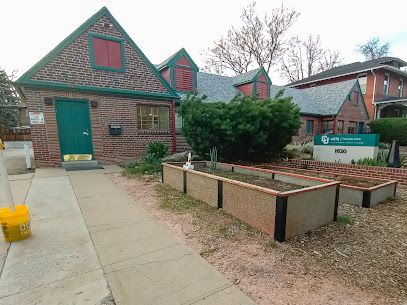
University of Colorado Denver/ARTS Specialized Outpatient services
Denver, CO
- Outpatient
- MAT
Substance use treatment · Accepts clients on opioid medication but prescribed elsewhere · Cognitive behavioral therapy
Accepts: Cash or self-payment, Medicaid, Private health insurance
Sobriety House Inc Stepping Stone
Denver, CO
- Residential
- Sober Living
Substance use treatment · Accepts clients on opioid medication but prescribed elsewhere · Cognitive behavioral therapy
Accepts: Cash or self-payment, Private health insurance
Denver Recovery Group
Denver, CO
- Outpatient
- MAT
Substance use treatment · All Clients in Opioid Treatment Program · SAMHSA-certified Opioid Treatment Program
Accepts: Cash or self-payment, Medicaid, Medicare
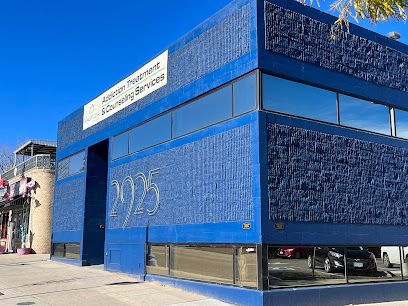
Magnolia Medical Group
Denver, CO
- Outpatient
- MAT
Substance use treatment · Cognitive behavioral therapy · Substance abuse counseling
Accepts: Cash or self-payment, Medicaid, Medicare
Recovering Spirit LLC
Denver, CO
- Outpatient
Substance use treatment · Accepts clients on opioid medication but prescribed elsewhere · Cognitive behavioral therapy
Accepts: Cash or self-payment, Private health insurance, Sliding fee scale