A New Outlook Recovery Services
Englewood, CO
- PHP
- IOP
- MAT
Substance use treatment · Accepts clients on opioid medication but prescribed elsewhere · Cognitive behavioral therapy
Accepts: Cash or self-payment, Medicaid, Medicare


Find drug and alcohol rehab centers in Englewood, CO and start your recovery today.
9 centers found (1–9)
Centers must offer every checked Level of Care. Other categories match any checked option within each category.
Englewood, CO
Substance use treatment · Accepts clients on opioid medication but prescribed elsewhere · Cognitive behavioral therapy
Accepts: Cash or self-payment, Medicaid, Medicare
Englewood, CO
Substance use treatment · All Clients in Opioid Treatment Program · SAMHSA-certified Opioid Treatment Program
Accepts: Cash or self-payment, Medicaid, Medicare
 1.2 mi
 Englewood, CO
Substance use treatment · Does not treat opioid addiction · Cognitive behavioral therapy
Accepts: Cash or self-payment
 1.8 mi
 Englewood, CO
Substance use treatment · Accepts clients on opioid medication but prescribed elsewhere · Cognitive behavioral therapy
Accepts: Cash or self-payment, Medicaid, Private health insurance
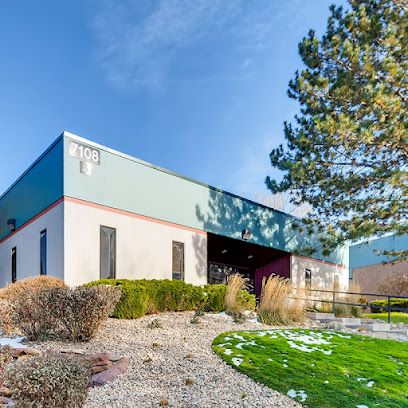 1.2 mi
 Englewood, CO
Substance use treatment · Cognitive behavioral therapy · Dialectical behavior therapy
Accepts: Cash or self-payment, Private health insurance
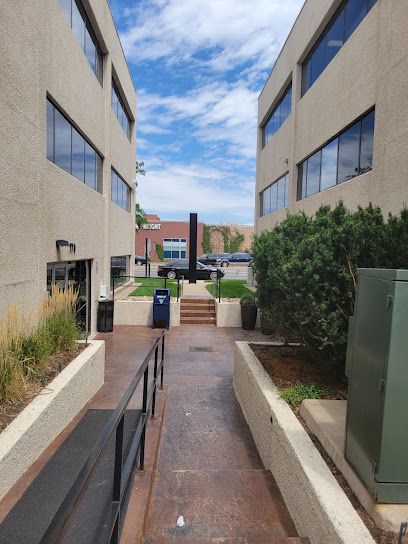 5.6 mi
 Englewood, CO
Substance use treatment · Accepts clients on opioid medication but prescribed elsewhere · Cognitive behavioral therapy
Accepts: Cash or self-payment, Medicaid, Sliding fee scale
Englewood, CO
Substance use treatment · Does not treat opioid addiction · Cognitive behavioral therapy
Accepts: Cash or self-payment, Private health insurance, Military insurance
Englewood, CO
Substance use treatment · Does not treat opioid addiction · Cognitive behavioral therapy
Accepts: Cash or self-payment, Medicaid, Medicare
Englewood, CO
Substance use treatment · Does not use medication for opioid addiction · Cognitive behavioral therapy
Accepts: Cash or self-payment
97 recovery meetings are listed in Englewood. These are the next ones on the schedule, in local time.
AASunday · 5:45 PM
Friends & FellowshipOnline
AASunday · 7:00 PM
Happy WayIn person · Church
CASunday · 7:00 PM
Sundays @7PMIn person
AAMonday · 6:45 AM
Daily ReflectionsIn person · Club
AAMonday · 8:30 AM
Still TrudgingOnline
NAMonday · 12:00 PM
Bring Your Own LunchIn person
3 sober living homes are listed in Englewood. Call a house directly, or open a listing for house details.
Halfway House
Halfway House
Sober Living Home
Co-ed
97 recovery meetings are listed in Englewood. These are the next ones on the schedule, in local time.
Sunday
5:45 PM
Online
Sunday
7:00 PM
In person · Church
Sunday
7:00 PM
In person
Monday
6:45 AM
In person · Club
Monday
8:30 AM
Online
Monday
12:00 PM
In person
Monday
12:00 PM
In person · Club
Monday
5:45 PM
In person · Club
Times come from each group's local listing and can change, so check the meeting page before you go.
To receive immediate placement help from a treatment representative, call the sponsored hotline — available 24/7.
Sober Nation lists 12 treatment centers in Englewood, a compact city in the south Denver metro. Englewood sits just south of Denver in Arapahoe County, tucked along the South Platte River between the Santa Fe Drive and South Broadway corridors, with US 285 (Hampden Avenue) crossing its northern edge and an RTD light-rail station connecting it straight into downtown Denver. It is best known as a medical hub — home to Swedish Medical Center and the nationally recognized Craig Hospital — so it is already a familiar place to come for care, whether you live in Englewood itself or in one of the neighboring suburbs. This page is a plain, practical guide to what those 12 programs actually offer: the levels of care you will find, the ways people pay for them, and where to look nearby when the right fit sits just outside the city line.
Across the Englewood programs we list, outpatient care is the backbone. All 12 centers offer outpatient treatment, and 10 provide regular (standard) outpatient services — scheduled sessions you attend while continuing to live at home, which is a practical starting point for people balancing a job, school, or family. If weekly visits are not enough structure, ask a program whether it also runs an intensive outpatient (IOP) track, since our directory does not confirm that level for every listing.
The clinical care behind those programs is consistent across the city. All 12 centers provide a comprehensive substance use assessment and all 12 offer screening for substance use — the intake step that matches you to the right level of care. Common offerings include individual counseling (12 centers), cognitive behavioral therapy, or CBT (12), substance abuse counseling (11), group counseling (11), and relapse prevention (11). Ten centers add family counseling, 10 use motivational interviewing, and 10 include screening for mental disorders for people managing both a substance and a mental health concern. Programs also tend to build in discharge planning (12 centers), substance use education (12), aftercare and continuing care (10), and case management (10). Nine centers list a track for adults and eight for young adults, and eight offer peer support or mentoring.
On program setting, all 12 centers serve people of any gender. Because the listings skew heavily toward outpatient care, if you specifically need medically supervised detox, residential or inpatient care, medication-assisted treatment (MAT) such as buprenorphine, methadone, or naltrexone, or a sober living placement, open the listing's details and confirm the center provides it before you call rather than assuming. A quick phone check about level of care, current waitlist, and what a first visit looks like saves a lot of time.
Cost is usually the first real question, and the Englewood listings reflect a few clear options. All 12 centers accept cash or self-payment, and 9 report a funding relationship with Colorado's state substance abuse agency — public funding that often underwrites free or reduced-cost care for people who qualify. If you are paying out of pocket, ask each program directly about self-pay rates, payment plans, and any sliding-scale eligibility; a publicly funded or non-profit clinic will usually walk you through those options over the phone.
Many programs also bill private insurance, but coverage and in-network status vary by plan, so verify your specific benefits with the center before your first visit rather than assuming. For Medicaid, Colorado's program is called Health First Colorado, and it covers substance use treatment for eligible residents — a realistic path for many people across the Denver metro. Which listed centers accept it, how eligibility works, and what the state covers all change over time and belong at the state level, so see our Colorado rehab guide for those details instead of guessing.
Sometimes the right program is not in Englewood itself. A bed opens sooner nearby, a specialized track fits better, or a little distance from familiar surroundings helps in early recovery. Because Englewood sits right in the middle of the south Denver metro, you have real alternatives within a short drive.
Just north, Denver adds by far the most capacity in the region with 87 centers. Around the surrounding suburbs you will also find Littleton (13 centers) directly to the south, Aurora (18) to the east, and Wheat Ridge (11) to the northwest — each a reasonable drive from Englewood. Further down I-25, Colorado Springs (26) and Pueblo (13) are options if you want more distance from home. If travel is hard or you are waiting for an in-person spot to open, ask whether a program offers telehealth counseling, which can bridge the gap and keep momentum going. To browse every option statewide, start with our Colorado rehab guide.
Sober Nation lists 12 treatment centers in Englewood. All 12 offer outpatient care, with a comprehensive substance use assessment and screening at intake, plus individual counseling, CBT, substance abuse and group counseling, relapse prevention, motivational interviewing, family counseling, and aftercare. All 12 serve people of any gender.
The Englewood programs we list skew heavily toward outpatient care — all 12 offer it — so medically supervised detox, residential or inpatient beds, and medication-assisted treatment (MAT) are not something our directory confirms for every center. If you need one of those levels of care, open the listing's details and confirm it directly, or look next door in Denver (87 centers), which has much more capacity. When in doubt, call and ask before you go.
Colorado's Medicaid program, Health First Colorado, covers substance use treatment for eligible residents, and 9 of the 12 Englewood centers we list report a funding relationship with the state substance abuse agency. Whether a specific service is covered for you depends on your plan and the center, so confirm directly before starting. For how Health First Colorado works, see our Colorado rehab guide.
Speak with a treatment representative about programs that serve Englewood and the surrounding area.
Finding treatment is a personal decision. We help you compare options, explain how advertising works on our site, and give you a way to flag information that needs updating.
Facility listings show contact details so you can ask a center about its services, availability and costs.
Our listing standardsFeatured listings and the sponsored helpline are advertising. A paid placement is not a clinical recommendation.
About advertisingPrograms and availability can change. Confirm licensing, services and insurance coverage directly with a facility before choosing care.
How listings workSee an outdated phone number or a closed facility? Let us know. Facility representatives can also request access to update their listing.
Report a correction