

At a Glance
Location
246 Pleasant Street Suite 104, Concord, NH 03301
Primary Focus
Treatment Settings
Treatment Approaches
Special Programs
About Concord Hospital
Concord Hospital's outpatient addiction treatment program in Concord, NH offers structured recovery support through Cognitive Behavioral Therapy for men, women, and individuals who are Deaf or Hard of Hearing. As part of a established hospital system, this outpatient program accepts a wide range of payment options — including Medicaid, Medicare, and TRICARE — making ongoing substance abuse treatment accessible to a broad community.
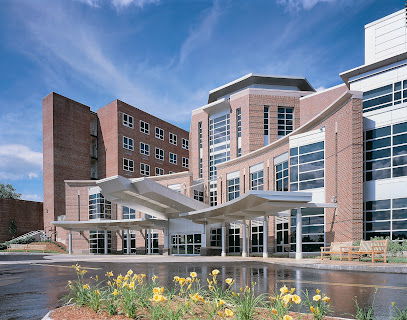
Concord Hospital operates an Outpatient Clinic for substance use treatment at 246 Pleasant Street, Suite 104, in Concord, New Hampshire — part of the broader Concord Hospital health system serving Merrimack County. Situated within a hospital network that has invested in behavioral health and substance misuse services, this recovery clinic brings clinical infrastructure to outpatient addiction treatment, offering a setting that connects individuals to professional care while they continue living in their own communities. For people evaluating long-term recovery options rather than acute crisis services, this kind of outpatient program can be a central pillar of sustained sobriety.
The facility's level of care is an Outpatient Program, which allows individuals to receive structured addiction treatment while maintaining their daily lives, jobs, and family responsibilities. This format is well-suited to people who are moving through the continuum of care — whether transitioning from a higher level of treatment, building on early recovery gains, or seeking an ongoing support structure that fits around work and home commitments. The outpatient model at Concord Hospital is available seven days a week, giving individuals consistent access to care throughout the week.
Cognitive Behavioral Therapy (CBT) is the confirmed therapeutic method used in this program. CBT is a structured, goal-oriented approach that helps individuals identify the thought patterns and behaviors that fuel substance use and develop practical skills to change them. This focus on skill-building is particularly relevant for people in sustained recovery, as it equips them with tools they can carry forward long after formal treatment ends — supporting the kind of durable behavioral change that long-term sobriety requires.
The program serves men, women, and individuals who are Deaf or Hard of Hearing, reflecting a commitment to accessibility across different populations. Payment options include Medicaid, Medicare, Private Insurance, TRICARE, Self-pay, Sliding Scale fees, and State Insurance — a range that removes many of the financial barriers that can prevent people from entering or continuing substance abuse treatment. For individuals and families in Concord and the surrounding Merrimack County area who are weighing outpatient recovery options, Concord Hospital's program offers the backing of a hospital system combined with the flexibility of community-based care.
Outpatient Recovery Care Rooted in a Hospital System
Concord Hospital's outpatient addiction treatment clinic sits within a hospital network that has made documented investments in behavioral health and substance misuse services. For individuals in recovery who want clinical accountability alongside the flexibility of living at home, this structure offers a meaningful distinction from standalone outpatient offices or community clinics.
Located at 246 Pleasant Street in Concord, NH, the clinic is part of a recognized regional health system — which means the outpatient program benefits from the institutional frameworks, referral pathways, and oversight that come with hospital affiliation. For families supporting a loved one through longer-term recovery, that institutional backing can provide an added layer of confidence when selecting an outpatient program.
Cognitive Behavioral Therapy for Long-Term Recovery
The therapeutic foundation of this outpatient program is Cognitive Behavioral Therapy (CBT). In the context of substance abuse treatment, CBT focuses on helping people understand the connections between their thoughts, feelings, and substance use behaviors — and then practice concrete strategies to interrupt harmful patterns. This approach is particularly well-matched to the outpatient setting, where individuals are applying what they learn in sessions directly to their real-world environments.
For those already in recovery and looking to reinforce the behavioral changes they've made, CBT-based outpatient care can serve as an important anchor in aftercare planning. Rather than focusing solely on acute stabilization, this type of therapy supports the ongoing work of maintaining sobriety over time — the kind of sustained effort that defines durable recovery.
Who the Program Serves and How to Access It
This outpatient rehab program serves men, women, and individuals who are Deaf or Hard of Hearing. The inclusion of Deaf and Hard of Hearing individuals as a named population is notable — many addiction treatment programs do not explicitly address the accessibility needs of this community, making Concord Hospital's outpatient clinic a meaningful option for those who have faced barriers elsewhere.
Payment access is broad. The program accepts Medicaid, Medicare, Private Insurance, TRICARE, Self-pay and Cash, Sliding Scale fees, and State Insurance. This range means that financial situation is less likely to be a barrier to starting or continuing treatment. The clinic is open seven days a week, supporting the kind of consistent engagement that outpatient recovery programs depend on for effectiveness.
Choosing an Outpatient Program for Ongoing Recovery
For individuals and families evaluating where to invest in long-term recovery, the choice of an outpatient program involves more than proximity. The treatment approach, the populations the program is equipped to serve, the payment options available, and the clinical infrastructure behind the program all matter — especially when the goal is sustained sobriety rather than short-term stabilization.
Concord Hospital's outpatient clinic in Concord, NH brings together CBT-grounded therapy, a hospital-system foundation, broad financial accessibility, and seven-day availability into a single outpatient recovery program. For residents of Merrimack County working through the recovery continuum, it represents a concrete, community-based option for ongoing substance abuse treatment.
Why Choose Concord Hospital
- Hospital-based outpatient program that connects recovery care to a broader clinical health system in Concord, NH
- Explicitly serves individuals who are Deaf or Hard of Hearing — a population often underserved by addiction treatment programs
- Seven-day-a-week availability supports consistent recovery routines without requiring residential placement
- Cognitive Behavioral Therapy provides a skill-focused framework suited to long-term recovery maintenance, not just crisis stabilization
- Accepts Medicaid, Medicare, TRICARE, Sliding Scale, and State Insurance — among the widest payment ranges available for outpatient substance abuse treatment
Frequently Asked Questions
What level of care does the Concord Hospital outpatient addiction program offer?
Concord Hospital's addiction treatment clinic in Concord, NH operates as an Outpatient Program. This level of care allows individuals to receive structured substance abuse treatment while continuing to live at home and manage daily responsibilities. It is a common choice for people in ongoing recovery or transitioning from a more intensive level of care.
What therapy approach is used in this outpatient recovery program?
The confirmed therapeutic method used at this clinic is Cognitive Behavioral Therapy (CBT). CBT helps individuals recognize and change the thought patterns and behaviors associated with substance use. It is a skill-building approach that supports long-term recovery, not just short-term stabilization.
Does this outpatient program serve people who are Deaf or Hard of Hearing?
Yes. Concord Hospital's outpatient addiction treatment program explicitly serves individuals who are Deaf or Hard of Hearing, in addition to men and women generally. This makes it one of the few outpatient substance abuse treatment options that names this population as part of its confirmed service group.
What payment options does Concord Hospital accept for addiction treatment?
The program accepts a wide range of payment methods including Medicaid, Medicare, Private Insurance, TRICARE, Self-pay and Cash, Sliding Scale fees, and State Insurance. This broad coverage helps reduce financial barriers for individuals and families seeking outpatient rehab in Concord, NH.
Is this program available on weekends?
Yes. The Concord Hospital outpatient addiction clinic is available seven days a week, including Saturdays and Sundays. Consistent access throughout the week supports the routine and structure that outpatient recovery programs rely on to be effective.
Is this a residential or inpatient treatment program?
No. This facility is an outpatient clinic, not a residential or inpatient treatment center. Individuals attend treatment sessions while living in the community. Those looking for residential treatment should contact the program directly to discuss appropriate referral options.
Where is the Concord Hospital outpatient recovery clinic located?
The clinic is located at 246 Pleasant Street, Suite 104, in Concord, New Hampshire 03301, in Merrimack County. It is part of the Concord Hospital health system.
Does the program accept Medicare for substance abuse treatment?
Yes. Medicare is among the confirmed payment methods accepted at this outpatient addiction treatment program. The clinic also accepts Medicaid, TRICARE, Private Insurance, Sliding Scale fees, State Insurance, and Self-pay, making it accessible to a wide range of individuals seeking recovery support.
Is this program affiliated with a hospital?
Yes. This outpatient addiction treatment clinic is part of the Concord Hospital system, a recognized regional health network in New Hampshire. That hospital affiliation means the outpatient program operates within a broader clinical infrastructure, which can be relevant for individuals who also have co-occurring medical needs.
Who is this outpatient program a good fit for?
This program serves men, women, and individuals who are Deaf or Hard of Hearing who are seeking outpatient substance abuse treatment in the Concord, NH area. It is particularly well-suited to people who are in ongoing recovery, transitioning from a higher level of care, or looking for structured support they can integrate into their daily lives.
Nearby Treatment Centers
Choices Riverbend Community Mental Health
Concord, NH
- IOP
- MAT
Substance use treatment · Cognitive behavioral therapy · Substance abuse counseling
Accepts: Cash or self-payment, Medicaid, Medicare
Concord Metro Treatment Center Metro Treatment of New Hampshire LP
Concord, NH
- Detox
- Outpatient
- MAT
Substance use treatment · All Clients in Opioid Treatment Program · SAMHSA-certified Opioid Treatment Program
Accepts: Cash or self-payment, Medicaid, Private health insurance
Avenues Recovery Extended Care
Concord, NH
- PHP
- IOP
- MAT
Substance use treatment · Cognitive behavioral therapy · Dialectical behavior therapy
Accepts: Cash or self-payment, Private health insurance, Military insurance

New Freedom Academy
Canterbury, NH
- Residential
- PHP
- IOP
- MAT
Substance use treatment · Accepts clients on opioid medication but prescribed elsewhere · Cognitive behavioral therapy
Accepts: Cash or self-payment, Medicaid, Private health insurance
New England Counseling Services LLC Veteran and First Responder HealthCare
Manchester, NH
- PHP
- IOP
Substance use treatment · Accepts clients on opioid medication but prescribed elsewhere · Cognitive behavioral therapy
Accepts: Cash or self-payment, Medicaid, State-financed health insurance plan other than Medicaid
Commons at WestBridge Residential
Manchester, NH
- Residential
- MAT
Substance use treatment · Cognitive behavioral therapy · Dialectical behavior therapy
Accepts: Cash or self-payment, Private health insurance, Military insurance