
Heroin Addiction: Signs, Withdrawal, and Recovery
Learn the physical and behavioral signs of heroin addiction, what happens during opioid withdrawal, and evidence-based treatment options for recovery.
By Tim StoddartNov 16, 2026Addiction Treatment
In this article
- Key Highlights
- Recognizing the Signs of Heroin Addiction
- Submit Your Listing to Our Rehab Directory
- Physical Warning Signs
- Behavioral and Psychological Signs
- Understanding Heroin Withdrawal and Its Timeline
- Typical Heroin Withdrawal Progression
- Why Medical Support Matters
- Heroin Overdose Warning Signs and Emergency Response
- What to Do if an Overdose Is Suspected
- Evidence-Based Recovery and Treatment Options
- Medications for Opioid Use Disorder
- Behavioral Therapies and Recovery Support
- Comparing Medications for Opioid Use Disorder
- Submit Your Listing to Our Rehab Directory
- Frequently Asked Questions
- How long does heroin withdrawal last?
- Is using buprenorphine or methadone just trading one addiction for another?
- Can someone detox from heroin at home safely?
- Why is heroin especially dangerous today?
- What can family members do to help someone struggling with heroin addiction?
- Can heroin addiction be treated successfully?
- Finding a Path Toward Recovery
- Sources
Heroin Addiction: Signs, Withdrawal, and Recovery
Heroin addiction, clinically classified as opioid use disorder (OUD), is a medical condition that affects the brain, behavior, and physical health. Heroin is an opioid that rapidly enters the brain and is converted into active metabolites, including morphine. It binds to opioid receptors involved in pain, breathing, and reward. Repeated use can lead to tolerance, physical dependence, and compulsive drug-seeking behavior.
Opioid use disorder can affect people from every background. However, stigma and misinformation often prevent individuals from seeking help. Whether you are concerned about your own substance use or supporting someone you care about, understanding the signs of heroin addiction, the realities of withdrawal, and available treatment options can help guide safer decisions.
Heroin addiction is treatable. Medications for opioid use disorder, behavioral therapies, harm-reduction services, and ongoing support can help people reduce overdose risk and work toward recovery.
Key Highlights
- Neurological Impact: Heroin acts on opioid receptors in the brain, affecting pain, breathing, and the reward system.
- Early Warning Signs: Possible signs include pinpoint pupils, unusual drowsiness, slowed breathing, changes in daily responsibilities, secrecy, and financial difficulties.
- Withdrawal: Heroin withdrawal can cause muscle aches, sweating, nausea, diarrhea, anxiety, insomnia, and intense cravings. Medical support can make withdrawal safer and more manageable.
- Evidence-Based Treatment: Medications for opioid use disorder, including buprenorphine, methadone, and naltrexone, are established treatment options.
- Overdose Prevention: Naloxone can reverse an opioid overdose. Because illicit drug supplies may contain fentanyl or other potent opioids, overdose prevention is especially important.
Recognizing the Signs of Heroin Addiction
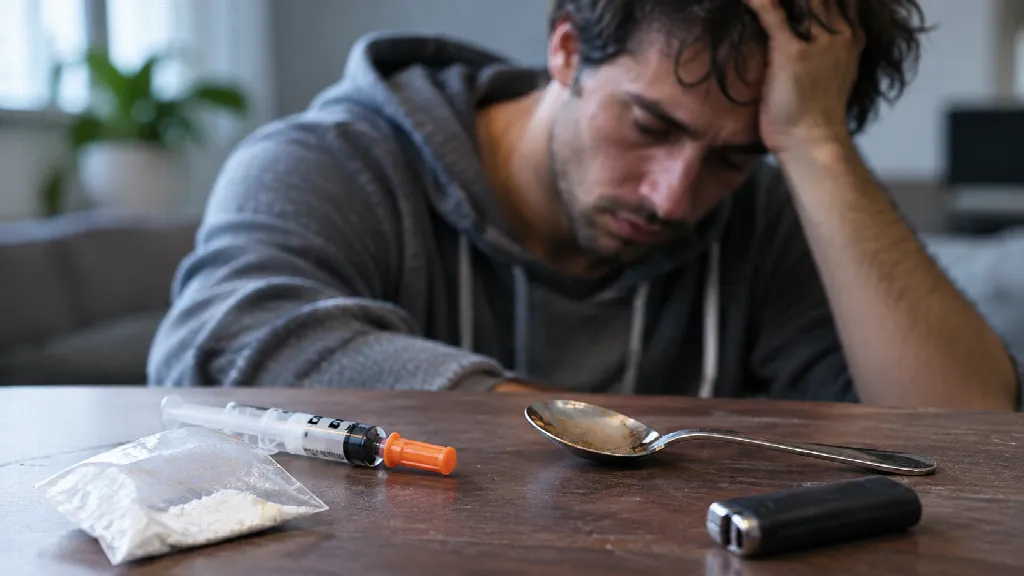
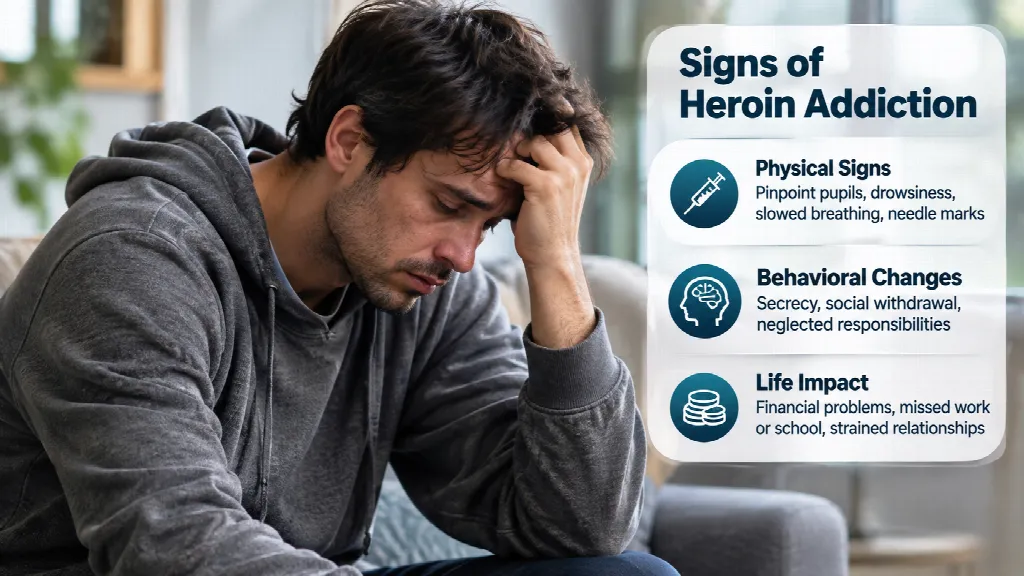
Signs of heroin addiction can include physical symptoms such as constricted pupils, unusual drowsiness, and slowed breathing, along with behavioral changes such as secrecy, social withdrawal, declining responsibilities, and unexplained financial problems. Not every person experiences the same symptoms, and these signs should be considered in context.
The National Institute on Drug Abuse (NIDA) explains that heroin acts on opioid receptors in the brain and can produce changes in brain systems involved in reward, pain, and essential functions such as breathing.
Recognizing possible opioid misuse early can create an opportunity to discuss treatment and reduce the risk of overdose and other health complications. A compassionate, nonjudgmental approach is more helpful than blame or confrontation.
Submit Your Listing to Our Rehab Directory
Sober Nation is one of the nation’s leading recovery resources, dedicated to helping people struggling with substance abuse disorder find treatment options that can get them on a path to sobriety.
To get listed in our directory, please fill out the contact form below.
Physical Warning Signs
Physical signs can vary depending on the amount used, frequency of use, route of administration, and a person's overall health. Possible warning signs include:
- Constricted or unusually small pupils.
- Episodes of extreme drowsiness or repeatedly nodding off.
- Slow, shallow, or irregular breathing.
- Slurred speech or impaired coordination.
- Warm or flushed skin, dry mouth, and itching.
- Needle marks, bruising, or skin infections associated with injection.
- Chronic nasal irritation or nosebleeds when heroin is snorted.
- Constipation, changes in appetite, or noticeable weight changes.
- Neglect of personal hygiene or other daily health needs.
Behavioral and Psychological Signs
As substance use becomes more disruptive, obtaining and using heroin may begin to take priority over relationships and daily responsibilities. Possible signs include:
- Secrecy or dishonesty about whereabouts and activities.
- Withdrawing from family gatherings, friendships, and previously enjoyed activities.
- Repeatedly missing work, school, or important appointments.
- Unexplained financial difficulties or frequent requests to borrow money.
- Spending substantial time obtaining, using, or recovering from heroin.
- Continuing to use despite health problems, relationship difficulties, or other harmful consequences.
- Strong cravings or difficulty reducing or stopping use.
These signs do not establish a diagnosis on their own. A healthcare professional can assess a person's symptoms, substance use history, and health needs to determine whether opioid use disorder is present.
Understanding Heroin Withdrawal and Its Timeline
Heroin withdrawal can begin within hours after the last use because heroin is a short-acting opioid. Symptoms may include muscle aches, restlessness, anxiety, sweating, watery eyes, a runny nose, insomnia, abdominal cramps, nausea, vomiting, diarrhea, and intense cravings.
Clinical guidance from the American Society of Addiction Medicine (ASAM) describes withdrawal from short-acting opioids such as heroin as typically beginning within approximately 8 to 12 hours, reaching peak intensity over the next several days, and generally improving over about 7 to 10 days. Individual experiences vary, and this timeline should not be treated as a guarantee.
Although opioid withdrawal is not usually directly life-threatening in otherwise healthy adults, severe vomiting and diarrhea can lead to dehydration and other complications. Withdrawal can also cause intense distress and cravings, increasing the risk of returning to use.
Another major danger is reduced opioid tolerance. After a period without heroin, a person's tolerance can fall. Returning to a previously used amount can therefore cause an overdose, which may be fatal.
Typical Heroin Withdrawal Progression
- Early Withdrawal: Symptoms may begin around 8 to 12 hours after the last use. Early signs can include muscle aches, restlessness, anxiety, watery eyes, a runny nose, sweating, and difficulty sleeping.
- Increasing Symptoms: Symptoms may become more intense during the following day or two. A person may experience abdominal cramps, nausea, vomiting, diarrhea, dilated pupils, goosebumps, rapid heartbeat, and strong cravings.
- Gradual Improvement: Acute physical symptoms often begin to ease over several days. Fatigue, irritability, sleep disruption, low mood, and cravings may continue for longer.
- Ongoing Recovery: Some people continue to experience sleep, mood, or stress-related difficulties after acute withdrawal. Ongoing treatment and support can help address these concerns.
The timing and severity of withdrawal depend on factors such as the person's pattern of use, the opioid supply, other substances involved, and individual health. Medical assessment is important when planning withdrawal management.
Why Medical Support Matters
People do not have to manage heroin withdrawal alone. Healthcare professionals can assess symptoms, provide appropriate medications and supportive care, monitor complications, and help connect patients with ongoing treatment for opioid use disorder.
Detoxification alone is not a complete treatment for opioid use disorder. Continuing with evidence-based treatment after withdrawal management is important because the risk of relapse and overdose can remain high.
Heroin Overdose Warning Signs and Emergency Response
Heroin can suppress the brain's drive to breathe. An overdose may cause breathing to become dangerously slow or stop entirely. The risk can be especially unpredictable when heroin is mixed with or replaced by fentanyl or other potent synthetic opioids.
According to the Centers for Disease Control and Prevention (CDC), possible signs of an opioid overdose include:
- Unconsciousness or inability to wake the person.
- Slow, shallow, or stopped breathing.
- Choking, gurgling, or unusual snoring sounds in someone who cannot be awakened.
- Small, constricted pupils.
- Discolored lips or fingernails, which may appear blue, gray, or pale.
- A limp body or unresponsiveness.
What to Do if an Overdose Is Suspected
An opioid overdose is a medical emergency. If you suspect an overdose:
- Call emergency services immediately. Do not wait for the person to recover on their own.
- Give naloxone if available. Follow the product instructions. Additional doses may be needed if the person does not respond or symptoms return.
- Support breathing. Follow emergency dispatcher instructions and provide rescue breathing or CPR if trained.
- Place the person on their side if they are breathing but remain unconscious, to help prevent choking.
- Stay with the person until emergency responders arrive. Naloxone can wear off, and overdose symptoms may return.
The CDC's naloxone guidance explains how this medication can reverse opioid overdose and restore breathing. Naloxone is an important emergency tool, but it does not replace medical evaluation.
Evidence-Based Recovery and Treatment Options
Effective treatment for heroin addiction often combines medication for opioid use disorder with behavioral support and ongoing healthcare. This approach addresses both the physical effects of opioid dependence and the behavioral, emotional, and social challenges associated with substance use.
Medications for opioid use disorder can reduce cravings and withdrawal symptoms, help prevent a return to uncontrolled opioid use, and lower the risk of overdose. Treatment should be individualized with a qualified healthcare professional.
Medications for Opioid Use Disorder
Three medications approved by the U.S. Food and Drug Administration (FDA) for opioid use disorder are buprenorphine, methadone, and naltrexone. They work in different ways and are not interchangeable for every patient.
- Buprenorphine: A partial opioid agonist that can reduce withdrawal symptoms and cravings. It can be provided in different formulations, including sublingual products and long-acting injections. Starting buprenorphine too soon after heroin or another opioid can trigger precipitated withdrawal, so a clinician should determine the appropriate timing and approach.
- Methadone: A long-acting full opioid agonist that reduces withdrawal symptoms and cravings when used as prescribed. In the United States, treatment for opioid use disorder is generally provided through certified Opioid Treatment Programs, which offer structured dosing and clinical support.
- Naltrexone: An opioid antagonist that blocks opioid receptors. Extended-release naltrexone is available as a monthly injection, and an oral form also exists. A person must be fully withdrawn from opioids before starting it because taking naltrexone while opioids remain in the body can precipitate severe withdrawal. The required opioid-free period should be determined by a healthcare professional.
These medications are evidence-based treatments, not simply substitutes for heroin. They can help people stabilize their health and participate more fully in daily life and recovery.
For more information, see SAMHSA's Treatment Improvement Protocol 63: Medications for Opioid Use Disorder.
Behavioral Therapies and Recovery Support
Behavioral and supportive services can help people build coping skills, address triggers, and strengthen their recovery plans. They are often used alongside medication treatment.
- Cognitive Behavioral Therapy (CBT): Helps individuals identify triggers, understand patterns of thinking and behavior, and develop practical coping strategies.
- Contingency Management: Uses structured incentives to reinforce treatment participation and recovery-related behaviors.
- Individual and Group Counseling: Provides opportunities to address emotional challenges, relationships, stress, and other concerns connected to substance use.
- Residential Treatment: Offers a structured living environment and scheduled treatment services for people who need a higher level of support. Medical withdrawal management should be provided by an appropriately qualified service.
- Outpatient Programs: Allow people to receive scheduled treatment while living at home or in another supportive setting.
- Peer Support: Recovery communities and mutual-aid groups can provide connection, encouragement, and shared experience. They can complement, but do not replace, medical treatment when medication is indicated.
Comparing Medications for Opioid Use Disorder
Buprenorphine, methadone, and naltrexone have different mechanisms and treatment requirements. A qualified healthcare professional can help determine which option is appropriate based on a person's health, treatment goals, and circumstances.
| Medication | How It Works | Important Considerations | Administration |
|---|---|---|---|
| Buprenorphine | Partial opioid agonist that reduces cravings and withdrawal symptoms. | Starting too soon after recent opioid use can trigger precipitated withdrawal. Induction timing should be guided by a clinician. | Available in several forms, including sublingual products and long-acting injections. |
| Methadone | Full opioid agonist that helps prevent withdrawal and reduce cravings. | Requires careful clinical monitoring because it can cause sedation and respiratory depression, particularly when combined with other depressants. | For OUD treatment in the United States, generally provided through certified Opioid Treatment Programs. |
| Naltrexone | Opioid antagonist that blocks opioid receptors. | Must not be started until a person has completed the required opioid-free period. Starting too soon can precipitate severe withdrawal. | Available as an oral medication and an extended-release monthly injection. |
Submit Your Listing to Our Rehab Directory
Want to add your rehab or treatment center to the SoberNation directory? Call (866) 207-7436 to get started.
Frequently Asked Questions
How long does heroin withdrawal last?
Withdrawal from short-acting opioids such as heroin may begin within approximately 8 to 12 hours after the last use. Symptoms often become more intense over the next one to three days and commonly improve over about 7 to 10 days. Individual experiences vary, and some sleep, mood, or craving symptoms may continue beyond the acute withdrawal period.
Is using buprenorphine or methadone just trading one addiction for another?
No. When prescribed and monitored by qualified healthcare professionals, buprenorphine and methadone are evidence-based medications for opioid use disorder. They help reduce cravings and withdrawal symptoms and can lower the risk of overdose. Physical dependence on a prescribed medication is not the same as compulsive, uncontrolled substance use.
Can someone detox from heroin at home safely?
Attempting to manage opioid withdrawal without medical guidance can be difficult and may lead to dehydration, severe distress, and a return to use. More importantly, tolerance can fall during a period of abstinence, increasing overdose risk if someone returns to a previously used amount. Medical support is recommended, and ongoing treatment should be discussed rather than relying on detox alone.

Why is heroin especially dangerous today?
The illicit opioid supply can contain fentanyl or other potent synthetic opioids, sometimes without the person's knowledge. This makes the strength and contents of street drugs unpredictable and increases overdose risk. Naloxone and access to treatment are important harm-reduction measures.
What can family members do to help someone struggling with heroin addiction?
Family members can approach the person with compassion, encourage them to speak with a healthcare professional, learn about medications for opioid use disorder, and keep naloxone available where possible. Families may also benefit from counseling and support groups. Avoiding blame and offering practical help can make it easier for someone to seek treatment.
Can heroin addiction be treated successfully?
Yes. Opioid use disorder is treatable. Many people benefit from medications such as buprenorphine or methadone, behavioral support, and ongoing healthcare. Recovery is individual, and treatment may need to be adjusted over time to support long-term health and stability.
Finding a Path Toward Recovery
Heroin addiction is a serious medical condition, but effective treatment and recovery support are available. Recognizing physical and behavioral warning signs, understanding withdrawal risks, and seeking professional care can help individuals and families take informed steps toward safety.
Medications for opioid use disorder, including buprenorphine, methadone, and naltrexone, can play an important role in treatment. Behavioral therapies, peer support, and ongoing healthcare can also help people rebuild stability and improve their quality of life.
If you or someone you care about is struggling with heroin use, consider contacting a qualified healthcare provider or addiction treatment professional. Recovery does not have to happen alone, and asking for help is an important first step.
Sources
- National Institute on Drug Abuse (NIDA): Heroin Research and Information
- Substance Abuse and Mental Health Services Administration (SAMHSA): TIP 63: Medications for Opioid Use Disorder
- Centers for Disease Control and Prevention (CDC): What to Do if You Think Someone Is Overdosing
- Centers for Disease Control and Prevention (CDC): Lifesaving Naloxone
- American Society of Addiction Medicine (ASAM): National Practice Guideline for the Treatment of Opioid Use Disorder
About the author
Tim Stoddart
Spiritual gangster. I love dogs, music and the blank page. Grateful to be sober. Join my mailing list for TimStodz and join my Facebook Page.
Opioid and heroin recovery stories
In their own words, from people in the Sober Nation community.
Before
Being a crystal meth and heroin user, I hated my life and wanted sobriety so bad.
Today
“It was hard at first because I was going through withdrawals.”
Janine · 7 years sober
Read Janine’s storyBefore
Broken strung out on heroin with every bridge burned and in addition to losing everyone in my life I lost 5 fingers on my right hand due…
Today
“Today I have two beautiful daughters and 5 exciting grandchildren.”
Mike W. · 24 years sober
Read Mike’s storyBefore
It was scary but i made up my mind enough is enough.
Today
“Im clean and sober now 27 yrs its amazing i have my mind back my self asteem is amazing i now help people get clean n sober this is an amazing life being clean n sober.”
Lyn F. · 34 years sober
Read Lyn’s storyReady to take the next step?
Recovery starts with finding the right treatment. Browse rehab centers, detox programs, and sober living homes in our nationwide directory.
Choose your next step
Keep reading, with a purpose
Related Articles
4 Steps of The Drug Rehabilitation Process

Am I Addicted? - 8 Questions You Need to Ask Yourself

Addiction and Crime
Meth Addiction: Signs, Effects, Withdrawal, and Treatment
Cocaine Addiction: Signs, Withdrawal, and Treatment Options

My Name is Angela and I'm an Addict
Leave a Reply
Your email address will not be published. Required fields are marked *