

Addiction and Crime
By Tim StoddartJun 7, 2013Updated Jul 22, 2014Addiction & Recovery News
The relationship between drug/alcohol use and crime is quite simple. Since drug use and possession is illegal it’s fairly easy for even recreational drug users to catch drug charges. For addicts, you can pretty much count on drug related arrests at one point or another.
The legal risks associated with drug and alcohol use falls into one or more of three categories:
- Alcohol and Drug Defined: charges caused by production, sales, use, possession, distribution or cultivation.
- Alcohol and Drug Related: Criminal Behavior resulting from use of drugs and alcohol such as a DUI or theft.
- Alcohol and Drug Using Lifestyle: exposure to individuals and situations that encourage illegal behavior.
With more than half of US States implementing some form of ‘three strike laws,’ addicts need more lawyers than ever before. This is an issue because it takes focus off of the real problem: many of these individuals need counseling and/or treatment for their addictions.
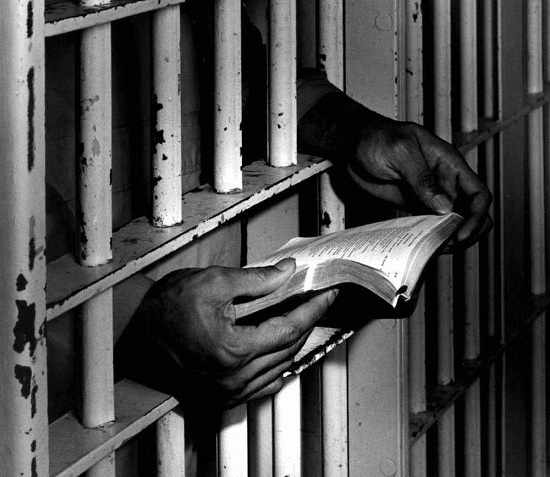
The use of drugs and alcohol brings many risks including the likelihood of an arrest record and possible jail time. The connection between drug/alcohol addiction and crime is obvious to many people who have struggled with or have experience with addiction. However, the fact remains that most people, don't have a good understand as to what addiction is and how it can be treated.
Learn more about addiction here --> What is Addiction?
If an addict cannot access their drugs they will most likely do anything to get their fix (this includes breaking the law). To a “non-addict,” the risks involved in drug use would never outweigh having to be sober. In my personal experience, I gambled with my future on a daily basis; the dangers involved meant nothing to me.
It’s pretty obvious that the threat of incarceration is of little consequence to other addicts as well:
- - 37% of convicted offenders currently in jail report that they were drinking at the time of their arrest.
- - Nearly 50% of jail and prison inmates are clinical addicts.
- - A study shows that 85% of parole and probation failures are caused by multiple violations and/or drug and property crimes.
- - Binge drinking was reported by 39 % of probationers, and heavy drinking was reported by 22%.
With drug addiction, crime, and the number of inmates in the US at an all time high, programs have been put in place by the Federal Bureau of Prisons. Studies show that by implementing drug and alcohol programs for prison populations, these programs reduce relapse, criminality, and inmate misconduct. Furthermore, their implementation has shown increased levels of education and employment upon return to the community. Overall the programs prove to have great economic and safety benefits to the public. So if treatment is so beneficial, not only to the inmates, but to society as a whole, why isn’t it more widely utilized?
According to the National Center for Addiction and Substance Abuse at Columbia University, only about 19% of people in the criminal justice system who need substance abuse treatment are actually receiving it. The reason for such a huge gap between the need for and the availability of treatment and counseling is lack of funding, trained staff, frequent inmate transfers, etc. Two thirds of all parolees are rearrested within 3 years. Focus needs to be set on life after prison plans as well. Adequate discharge plans including counseling, drug/alcohol treatment, support systems, employment, housing, education, and health care need to be properly set up for successful reintegration.
In my opinion, California’s Proposition 36, which was approved in 2000, exemplifies a proactive approach to addressing the drug/alcohol problem. This allows those who are arrested for drug possession or use to have the chance to go to treatment instead of jail. According to a UCLA study, in the first year alone, tax payers saved $173 million ($2.50 for every $1.00 invested) and violent crime rates went down. As of 2007, 36% of those who opt into the treatment also complete it. The program continues to make changes, which increases the success rate since it began. Drug courts and similar programs have been around for a substantial amount of time and have seen some success but, until funding can be increased for treatment programs in prisons, we may be at a standstill.
“Alcohol, Drugs and Crime.” NCADD.ORG
Brittingham, Angela, Schildhaus, Sam, and Gfroerer, Joe. “Substance Abuse Among Adults on Probation: Findings From the National Household Survey.” SAMHSA.GOV. October 19, 1999.
About the author
Tim Stoddart
Spiritual gangster. I love dogs, music and the blank page. Grateful to be sober. Join my mailing list for TimStodz and join my Facebook Page.
Ready to take the next step?
Recovery starts with finding the right treatment. Browse rehab centers, detox programs, and sober living homes in our nationwide directory.
Choose your next step
Keep reading, with a purpose
Related guide
What is Sobriety? Understanding Your Path to True Freedom
Explore what sobriety truly means in this enlightening article, delving into its journey beyond physical abstinence to emotional and psychological freedom. Discover how therapies like CBT, DBT, and MAT, along with a holistic approach, are key to overcoming addiction. Learn about sobriety's positive impacts on relationships, mental health, and overall well-being, highlighting the profound sense of freedom and fulfillment it brings.
Related guide
Getting Sober: How to Start Safely and What to Do Today
If you want to get sober but do not know where to begin, start with the immediate questions: how to stop safely, who to ask for help, and what support you will need in the first few days.
Related guide
Staying Sober: A Practical Guide to Protecting Your Recovery
Once you stop drinking or using, there is still work, family, stress, and free time to figure out. Staying sober involves building routines and knowing who to call when you want to use again.
Leave a Reply
Your email address will not be published. Required fields are marked *