

The Connection Between Addiction and Stress
By Ralf FriedrichsFeb 19, 2019Updated Sep 23, 2019Addiction Resources
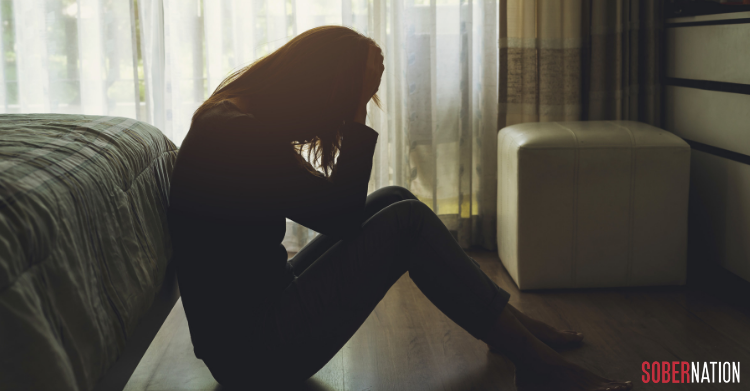
Stress is the body’s response to outside events or changes, and it may be the result of a single event or an ongoing issue. These events or changes can be good or bad, such as starting a new school, getting married, having a baby, an illness, the death of a loved one, moving, divorce, or getting into an accident.
There are three main types of stress:
- Stress from everyday events
- Stress from a sudden negative change
- Stress from a traumatic event
When a person feels stressed, changes occur in the mind and body. In some cases, these changes can even be life-saving as the brain engages its “fight-or-flight” reaction in times of high stress or when it perceives itself to be in danger. Heart rate accelerates, blood pressure spikes, body temperature and respiration rates increase, focus, attention, and the senses become dialed in. At this point, the need to sleep and eat are diminished.
Coping with Stress
Everyone copes with stress in different ways, and some may resort to maladaptive measures of managing stress, which may include abusing drugs. Stress can increase the odds that a person will use drugs; in fact, those exposed to stress are more likely to use mind-altering substances.
Stress is not always good, however chronic stress can have numerous negative effects on the mind and body, including:
- Back pain
- High blood pressure
- Difficulty sleeping
- Appetite and weight changes
- Lowered immune system
- Headaches
- Diabetes
- Depression and anxiety
- Anger, irritability and hostility
- Irregular heart functions and heart disease.
Stress may also magnify problematic drug use and be a contributing factor in the onset of addiction. Stress is a widely accepted risk factor for addiction. People who battle addiction may also be more vulnerable to stress.
While drugs may provide a temporary respite for stress, in the long run, drug abuse actually makes stress more pronounced and leads to a variety of physical and emotional health issues as well as behavioral and social concerns.
Stress, Drugs, and The Brain
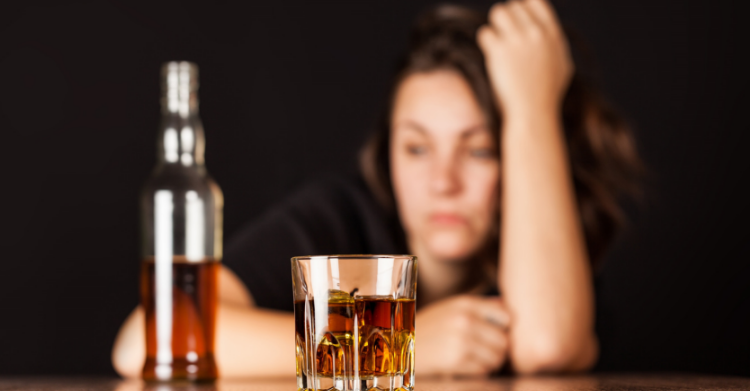
Drugs can enact chemical changes in the brain by activating some of the brain’s chemical messengers involved in emotional regulation, memory and learning, impulse control, decision-making, happiness, and stress management. Central nervous system depressant drugs, such as opioids (OxyContin, hyrodcodone, percocet, heroin) and benzodiazepines (Xanax, Klonopin, Ativan), slow down heart and respiration rate, body temperature, and blood pressure, enhancing relaxation and sedation.
Sedative and tranquilizing drugs increase levels of gamma-aminobutyric acid (GABA) in the brain. GABA slows down the stress response and depresses the fight-or-flight reaction, reducing stress and anxiety, and making these substances a potential target of abuse.
Individuals suffering from high levels of stress, or chronic stress, may use these drugs as a method of managing these symptoms. Individuals who may have difficulties managing stress, poor coping mechanisms, and an inability to control impulses may be at a heightened risk to then use drugs as a result. Drugs can provide an escape from reality while intoxicated and serve to mitigate stress, albeit temporarily.
When someone is stressed, levels of adrenaline and norepinephrine are elevated, which can increase energy and excitement levels, decrease a person’s appetite, and help them to stay awake longer. Stimulant drugs, like cocaine, prescription ADHD medications, and methamphetamine, have similar effects on the brain and body. For some, these effects may be desirable.
Most drugs also act on the reward and pleasure center in the brain, causing a burst of euphoria, or a “high,” as levels of dopamine and serotonin are increased. In time and with repeated drug use, the brain can rely on drugs to keep levels of its chemical messengers balanced, and drug dependence is often the result.
When someone is dependent on drugs, cravings and drug withdrawal symptoms can be significant when the drugs are not active in the bloodstream. Drug withdrawal symptoms are often in opposition to the drug’s desirable effects. Insomnia, depression, physical side effects, and increased levels of anxiety and stress are often the result. People who struggle with drug dependence may resort to continued drug abuse to keep these side effects at bay. Chronic drug use then actually heightens and exacerbates stress, and can lead to a loss of control over when drugs are used and in what amounts.
Addiction and Stress

Similar parts of the brain may be involved in why some people may be more prone to drug abuse and addiction, and to high levels of stress as well. Stress initiates the release of the “stress hormone,” called cortisol, in the brain. Cortisol can damage healthy brain structure, connectivity, and function in the case of chronic stress. Regions of the brain related to memory and learning can be negatively affected with continual levels of high stress and the presence of cortisol. Exposure to stress, particularly at a young age when the brain is still developing, can damage parts of the brain that may then make a person more vulnerable to drug abuse and addiction. In a similar fashion, drug abuse at a young age increases the odds that a person will suffer from addiction later in life, the 2013 National Survey on Drug Use and Health (NSUDH) warns. Mental illness can be a risk factor for addiction and stress, and vice versa. Drugs may commonly be a form of self-medication for mental illness. Anxiety and Depression can cause someone who battles a mood or anxiety disorder is between two and three times more likely to also suffer from drug or alcohol addiction at some point in life.
PTSD (post-traumatic stress disorder) is a form of anxiety disorder that occurs when a person is a victim or witness to a potentially life-threatening event and then suffers from flashbacks, reoccurrence symptoms, and an inability to turn off the stress response for an extended time afterwards. PTSD is a common risk factor for drug abuse. The U.S. Department of Veterans Affairs (VA) reports that two out of every 10 veterans suffering from PTSD also battle addiction, while one out of every three who are treated for addiction also suffers from PTSD.
Stress may trigger drug abuse, and regular drug abuse may induce higher levels of stress. When combined, stress and drug abuse are not a good mix. Together, they increase negative physical and emotional health outcomes and increase a person’s vulnerability to addiction, which brings a host of additional social and behavioral concerns.
Effective stress management techniques can detract from a person’s desire to use drugs and therefore promote a better quality of life. Proper nutrition, healthy sleep patterns, exercise, and mindfulness meditation are all holistic and complementary forms of managing stress. Making healthy social connections can also help to lower stress levels.
Drug rehab can provide tools for learning healthy coping mechanisms through addiction and stress, and stress management methods that can be beneficial in sustaining sobriety and a more balanced life.
If a person is suffering from drug abuse and high levels of stress, treatment can help. For 24/7 rehab assistance, call Sober Nation today at (866) 207-7436
About the author
Ralf Friedrichs
Hello- my name is Ralf Friedrichs, I am a life coach, a Addiction Recovery Coach and the host of this show, the Take Your Life Back Today Show I'm NOT a Doctor,Counselor,Therapist or a Sponsor! I am a Life and Addiction Recovery Coach that is recovering from Alcoholism. For that reason I know what you or your loved ones are going through. I never address past issues. Instead I focus on today and moving ahead so positive changes can happen in your life while you have a smooth transition into recovery. Recovery Coaching is often used concurrently with therapy and counseling, and it should never be considered a substitute. Recovery coaching ethics and guidelines require that if you are primarily seeking relief from emotional or psychological pain, I must and will refer you to a Therapist or Counselor. As a Life and Addiction Recovery Coach, I can answer questions, offer reflections and help my you become resourceful and capable of choosing what is best for you in recovery over time. I believe in and support every client I work with, and I am here to make sure that everyone I work with has continued success After many years of Alcohol abuse, learning to live sober was a bit of a challenge for me and I didn't really know if I could live the life of sobriety. When I decided to yell "last call" with my drinking over 2 1/2 years ago, I said to myself "enough is enough" and reached out to God for guidance and direction. I sat down, took a deep hard look at my life and my past and present situation and knew I needed to "Take My Life Back" with the help of God. I started to think of the positives and negatives of alcohol, and found only negatives. I knew that now is the time for change. I planned a battle plan for my recovery, God led me to a few AA meetings. After a few meetings, I knew I needed to be more actively involved in my recovery. It was then that I realized what God wanted to continue what he began in 1981 in the USMC. In 1981, God guided me to become a Lay Reader during boot camp. I directly worked with the Chaplain, helping others through tough times. But back then it never dawned on me, that God had a plan that would only become real in 2013, when I was ready, when I hit rock bottom, when I needed God to help me. I knew it was here , now and on June 22, 2013, God helped me to "Take My Life Back". It was then, that I realized how to start my own recovery methods, a simple concept (learning and educating myself as I move forward in my recovery). My 1st website, www.clearViews.info then my 2nd website, www.takeyourlifebacktodayshow.com . I have hosted over 2300 shows and appeared different shows on TV, soon I will have completed my book. My show is played in over 39 Rehab centers, some correctional facilities in the US. My methods truly work for one reason, because I am actively involved with my addiction and making sure I am involved in your addiction also 10-15 hours daily, 24/7 Here are some things I do daily: *Visiting Addicts In Homeless Shelters, Hospitals & Jails *Help Addicts Find A Job/Rehab *Exchanging Phone Numbers *Providing Websites That Focus On Recovery In 2011, at the age of 49, I started to feel much more mature. I started to think differently, getting rid of old habits, and wanting to make positive changes in my life. However, the positive changes could not happen until the gates of "Demons" were closed. I call this my Rock Bottom. In 2013 I not only closed those gates, but I padlocked them shut forever. So, now that I see things clearly, drinking is not even a choice, it would be to painful to ever start again and let down the thousands of supporters, fans and viewers. I have learned from the past, left it behind me and intentionally created a positive future. Part of that future is educating myself about my disease, how to live with it and help others live it too. I want to help others see, feel and experience sobriety, life without Alcohol & Drugs. As I approached different addiction educating methods, videos became a passion. Videos give you ALL a face, a voice and a story while helping all watching to understand this disease. My story will continue through the camera into your living room, kitchen, homeless shelters, correctional facilities and rehab centers or anywhere else you might be watching me. Remember, today-yes today your received 86,400 seconds from God, he deposited those seconds into your life account, what you do with them will define you Call me at 844-405-help, we can help each other take our lives back. May god bless you
Visit Ralf FriedrichsReady to take the next step?
Recovery starts with finding the right treatment. Browse rehab centers, detox programs, and sober living homes in our nationwide directory.
Choose your next step
Keep reading, with a purpose
Related guide
What is Sobriety? Understanding Your Path to True Freedom
Explore what sobriety truly means in this enlightening article, delving into its journey beyond physical abstinence to emotional and psychological freedom. Discover how therapies like CBT, DBT, and MAT, along with a holistic approach, are key to overcoming addiction. Learn about sobriety's positive impacts on relationships, mental health, and overall well-being, highlighting the profound sense of freedom and fulfillment it brings.
Related guide
Getting Sober: How to Start Safely and What to Do Today
If you want to get sober but do not know where to begin, start with the immediate questions: how to stop safely, who to ask for help, and what support you will need in the first few days.
Related guide
Staying Sober: A Practical Guide to Protecting Your Recovery
Once you stop drinking or using, there is still work, family, stress, and free time to figure out. Staying sober involves building routines and knowing who to call when you want to use again.
Leave a Reply
Your email address will not be published. Required fields are marked *