
Why Addiction Changes the Brain: What Families Should Know
Learn how addiction affects the brain, why willpower alone may not be enough, and how families can support treatment and recovery.
By Tim StoddartOct 9, 2026Addiction Treatment
In this article
- Key Highlights
- The Reward System: How Substances Affect Brain Chemistry
- The Prefrontal Cortex and Impaired Decision-Making
- Submit Your Listing to Our Rehab Directory
- Why Willpower Alone Is Not Enough
- Understanding the Stages of Brain Changes in Addiction
- Neuroplasticity: Can the Brain Recover from Addiction?
- How Families Can Respond: Practical Strategies
- 1. Separate the Person from the Condition
- 2. Establish and Maintain Healthy Boundaries
- 3. Encourage Professional Treatment
- 4. Seek Support for Yourself
- Submit Your Listing to Our Rehab Directory
- Frequently Asked Questions
- Does addiction permanently damage the brain?
- Why can't my family member just stop using if they see the harm it causes?
- What is the role of dopamine in addiction?
- Can family stress contribute to relapse?
- How long does it take for the brain to recover from addiction?
- Conclusion
- Sources
Why Addiction Changes the Brain: What Families Should Know
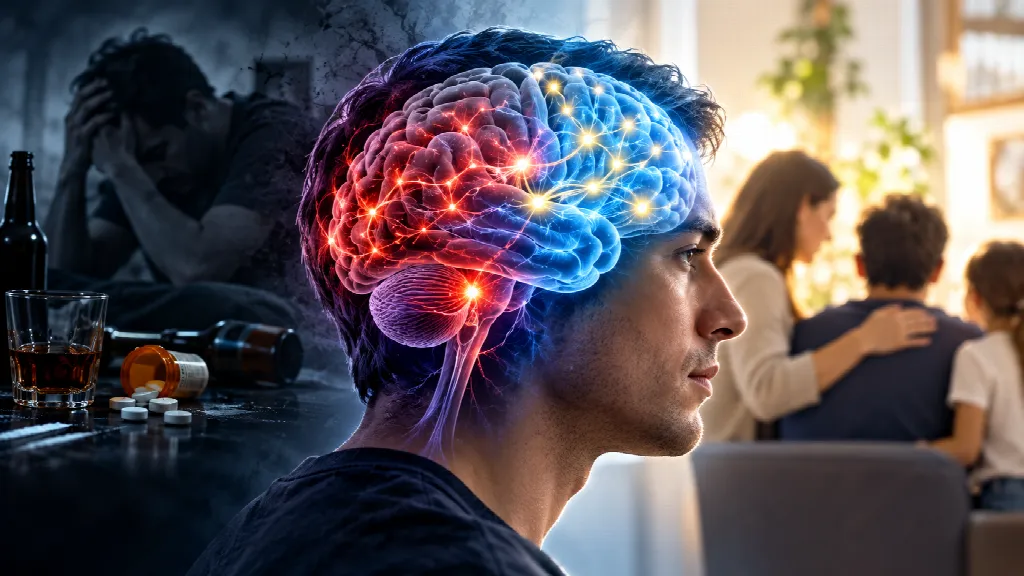
When a family member lives with a substance use disorder, loved ones often struggle to understand why stopping drug or alcohol use isn't simply a matter of willpower. It can be deeply painful to watch someone you care about repeatedly make choices that harm their health, relationships, and stability. However, research shows that addiction is a health condition that affects the brain and behavior. It can change how the brain processes reward, stress, and self-control.
Understanding these changes can help families move away from blame and frustration toward effective, evidence-based support. When you understand how repeated substance use affects the brain's reward and stress systems, the behavior of a loved one may become clearer, and the recovery process can make more sense.
Key Highlights
- Brain Changes: Repeated substance use can alter the brain's reward system, including pathways involving dopamine.
- Decision-Making: Addiction can affect the prefrontal cortex, which plays an important role in impulse control, planning, and judgment.
- Compulsive Behavior: Over time, substance use can become a powerful priority despite its negative consequences.
- Recovery Takes Time: The brain can adapt and recover, but progress varies and may require treatment and ongoing support.
- Family Support: Understanding addiction as a health condition can help families set healthy boundaries while encouraging professional care.
The Reward System: How Substances Affect Brain Chemistry
The human brain has reward pathways that help reinforce behaviors important for survival, such as eating and connecting with others. Dopamine is one of the neurotransmitters involved in reward, motivation, and learning. Addictive substances can disrupt these pathways and reinforce patterns of substance use.
According to the National Institute on Drug Abuse (NIDA), addiction is a medical condition that affects the brain and behavior. Repeated substance use can strengthen associations between substance-related cues and the expectation of reward, making it harder for some people to resist cravings.
Over time, the brain can adapt to repeated substance exposure. A person may develop tolerance, meaning they need more of a substance to experience the same effects. They may also find everyday activities less rewarding or experience distress when they are not using. These changes can contribute to continued substance use despite harmful consequences.
The Prefrontal Cortex and Impaired Decision-Making
One of the most confusing aspects of addiction for family members is watching a loved one promise to stop using a substance, only to return to it later. Addiction can affect communication between brain systems involved in emotional responses, motivation, and decision-making.
The prefrontal cortex, located near the front of the brain, plays an important role in executive functioning. This includes:
- Assessing risks and consequences
- Controlling impulses and delaying gratification
- Making long-term plans
- Regulating emotions
As substance use continues, changes in brain function can make it harder to manage cravings and consistently act on long-term goals. A person may genuinely want to stop using while still struggling with compulsive urges. This is one reason addiction often requires more than determination alone.
Submit Your Listing to Our Rehab Directory
Sober Nation is one of the nation’s leading recovery resources, dedicated to helping people struggling with substance abuse disorder find treatment options that can get them on a path to sobriety.
To get listed in our directory, please fill out the contact form below.
Why Willpower Alone Is Not Enough
A common misconception is that someone can overcome a severe substance use disorder through sheer determination or "tough love." Motivation can be important in recovery, but willpower alone may not be enough to address the changes in behavior, stress responses, and brain function associated with addiction.
When someone stops using a substance, withdrawal and changes in stress responses can cause anxiety, physical discomfort, low mood, and intense cravings. The specific symptoms depend on the substance, the duration and pattern of use, and the person's health. Some types of withdrawal can be dangerous and require medical supervision.
Expecting someone to overcome addiction through willpower alone overlooks the complex factors involved. Recovery may require professional guidance, behavioral therapies, medical care, and a supportive environment. The right treatment depends on the person's individual needs.
Understanding the Stages of Brain Changes in Addiction
Researchers often describe addiction as a three-stage cycle. These stages help explain how reward, stress, and decision-making systems can contribute to continued substance use.
| Stage of Addiction | Brain Systems Involved | What May Happen | Possible Behaviors |
|---|---|---|---|
| 1. Binge / Intoxication | Basal ganglia and reward pathways | Substance use reinforces reward-related learning and repeated behavior. | Repeated use or increasing focus on obtaining the substance. |
| 2. Withdrawal / Negative Affect | Extended amygdala and stress systems | Stress and negative emotional states may become more pronounced when the substance is not being used. | Anxiety, irritability, low mood, cravings, or physical discomfort. |
| 3. Preoccupation / Anticipation | Prefrontal cortex and related circuits | Cravings and difficulties with self-control may contribute to returning to substance use. | Persistent thoughts about using or seeking the substance despite negative consequences. |
Neuroplasticity: Can the Brain Recover from Addiction?
The brain has a capacity to adapt and reorganize itself through a process known as neuroplasticity. Repeated substance use can reinforce patterns that contribute to compulsive behavior, while recovery experiences and treatment can help people develop healthier habits and coping strategies.
Recovery does not follow the same timeline for everyone. Changes in mood, sleep, attention, motivation, and cravings may improve at different rates depending on the substance used, the duration of use, overall health, and other circumstances. Some difficulties may persist and benefit from continued treatment.
Consistent routines, professional therapy, supportive relationships, and appropriate medical care can all play a role in recovery. For additional guidance, families can explore Sober Nation's addiction recovery resources.
How Families Can Respond: Practical Strategies
Understanding addiction as a brain-related health condition does not mean families must tolerate harmful behavior or abandon boundaries. It can instead provide a more constructive framework for supporting a loved one while protecting their own well-being.
1. Separate the Person from the Condition
Try to recognize that addiction is complex and cannot always be explained by a lack of love, respect, or motivation. This perspective can reduce blame and make calm, respectful communication easier, while still acknowledging the effects of harmful behavior.
2. Establish and Maintain Healthy Boundaries
Boundaries protect your physical, financial, and emotional well-being. Be clear about what you can offer and what behavior you cannot accept. Consistently maintaining those limits can help you provide support without taking responsibility for another person's choices.
3. Encourage Professional Treatment
Depending on the person's needs, treatment may include medically supervised withdrawal management, behavioral therapies such as cognitive behavioral therapy, medications, or a combination of approaches. Encourage your loved one to consult a qualified healthcare professional about appropriate options.
4. Seek Support for Yourself
Supporting a family member through addiction can be exhausting. Family counseling, peer support groups, and educational resources can help you protect your own well-being. Sober Nation's family resources for addiction offer a place to explore further reading and support.
You can also read How to Support a Loved One Who Struggles with Addiction for additional guidance on supporting someone while maintaining healthy boundaries.
Submit Your Listing to Our Rehab Directory
Want to add your rehab or treatment center to the SoberNation directory? Call (866) 207-7436 to get started.
Frequently Asked Questions
Does addiction permanently damage the brain?
Not necessarily. Substance use can change brain structure and function, but some changes may improve during recovery. The extent and timeline of recovery vary according to the substance, duration of use, individual health, and access to appropriate care.
Why can't my family member just stop using if they see the harm it causes?
Addiction can affect brain systems involved in motivation, stress, learning, and impulse control. As a result, a person may continue experiencing strong cravings and difficulty changing their behavior even when they understand the consequences. Professional treatment and support can help address these challenges.
What is the role of dopamine in addiction?
Dopamine is a neurotransmitter involved in motivation, reward, and learning. Addictive substances can alter dopamine-related pathways and reinforce substance-seeking behavior. Repeated use can also change how the brain responds to everyday rewards and substance-related cues.
Can family stress contribute to relapse?
Stress can trigger cravings or make recovery more difficult for some people, but addiction is complex and cannot be attributed to family stress alone. Supportive communication, healthy boundaries, coping strategies, and appropriate professional care may help people manage stressful situations during recovery.
How long does it take for the brain to recover from addiction?
There is no single timeline for brain recovery. Some changes may improve over weeks or months, while other symptoms or difficulties can last longer. Recovery depends on many factors, including the substance used, the pattern of use, individual health, and treatment. A healthcare professional can help assess a person's needs and progress.
Conclusion
Addiction can affect brain systems involved in reward, stress, motivation, and decision-making. For families, understanding these changes can replace some of the blame and frustration with a clearer understanding of why recovery may be difficult. Addiction is not simply a failure of willpower, and people may benefit from structured, evidence-based treatment and ongoing support. With appropriate care, time, and healthy family boundaries, recovery is possible.
Sources
- National Institute on Drug Abuse (NIDA). Drugs, Brains, and Behavior: The Science of Addiction.
- Substance Abuse and Mental Health Services Administration (SAMHSA). Recovery and Recovery Support.
```
About the author
Tim Stoddart
Spiritual gangster. I love dogs, music and the blank page. Grateful to be sober. Join my mailing list for TimStodz and join my Facebook Page.
Ready to take the next step?
Recovery starts with finding the right treatment. Browse rehab centers, detox programs, and sober living homes in our nationwide directory.
Choose your next step
Keep reading, with a purpose
Leave a Reply
Your email address will not be published. Required fields are marked *