

Taylor Swift Opens Up About an Eating Disorder
By Tim StoddartFeb 6, 2020Updated Aug 31, 2020Addiction & Recovery News
In this article
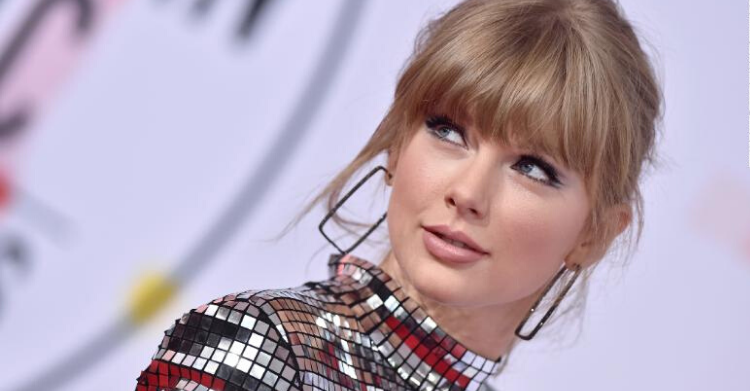
In the new documentary about her life, Miss Americana, Taylor Swift opens up about the struggles she's faced overcoming an eating disorder.
Currently on Netflix, the film first premiered at the Sundance Film Festival.
In one segment of the film, there is a montage of derogatory comments about Swift that has appeared in the media over the years, one noting that Swift looked "too skinny that it was bothersome."
Turns out, it bothered the singer as well.
"I Wasn't Eating"
In the film, Swift says that when she’d see “a picture of me where I looked like my tummy was too big, or … someone said that I looked pregnant … that just triggered me to just starve a little bit, and just stop eating.”
During her 2015 tour, Swift admitted her restrictive behaviors were effecting her shows and had her feeling, "like I was going to pass out at the end of a show or in the middle of it," she stated. Adding, "It's only happened a few times and I'm not in any way proud of it."
She also revealed that she would deny having a problem when people confronted her about her weight.
"I would have defended it to anybody: 'What are you talking about? Of course I eat. I exercise a lot," she said in the film.
"And I did exercise a lot. But I wasn't eating."
"I Registered That As A Punishment"
In a recent Variety interview, Swift elaborated the beginning of her behaviors and the effect that tabloids had on her at an early age.
"I remember how, when I was 18, that was the first time I was on the cover of a magazine, and the headline was like 'Pregnant at 18?'" she said.
"And it was because I had worn something that made my lower stomach look not flat. So I just registered that as a punishment."
She continued, "and then I'd walk into a photo shoot and be in the dressing room and somebody who worked at a magazine would say, 'Oh, wow, this is so amazing that you can fit into the sample sizes. Usually we have to make alterations to the dresses, but we can take them right off the runway and put them on you!' And I looked at that as a pat on the head."
"You register that enough times, and you just start to accommodate everything towards praise and punishment, including your own body."
Today, Swift reports she practices positive thinking when she's tempted to judge herself. She tells herself, "Nope. We do not do that anymore because it's better to think you look fat than to look sick."
Body Image in Pop Culture
Lana Wilson, the director of Miss Americana revealed that she's proud of Swift for talking about her deeply personal issues. "That’s one of my favorite sequences of the film,” she says. “I was surprised, of course. But I love how she’s kind of thinking out loud about it. And every woman will see themselves in that sequence. I just have no doubt.”
Wilson also points out that there were other people who didn't think that the singer was too thin multiple years ago. “You can also just not notice people being really skinny, because we’re all so accustomed to seeing women on magazine covers who are unhealthy-skinny, and that’s become normalized.” Even those that aren't celebrities are critics, the filmmaker noted.
“It’s incessant, and I can say this as a woman: It’s amazing to me how people are constantly like ‘You look skinny’ or ‘You’ve gained weight.’ People you barely know say this to you. And it feels awful, and you can’t win either way. So I think it’s really brave to see someone who is a role model for so many girls and women be really honest about that. I think it will have a huge impact.”
Eating Disorders
At least 30 million people of all ages and genders suffer from an eating disorder in the United States and every 62 minutes at least one person dies as a direct result from an eating disorder. Considered a process addiction, eating disorders can create severe social, financial, spiritual and life-threatening physical consequences. Living with an one creates secrets, lies, and a lack of of control that is always preoccupied by the mind. Additionally, many people who suffer from eating disorders also suffer from depression, anxiety disorders, personality disorders, and substance abuse issues. If you or a loved one are struggling with an eating disorder, it's not too late to find help. Contact Sober Nation today at (866) 207-7436.
About the author
Tim Stoddart
Spiritual gangster. I love dogs, music and the blank page. Grateful to be sober. Join my mailing list for TimStodz and join my Facebook Page.
Ready to take the next step?
Recovery starts with finding the right treatment. Browse rehab centers, detox programs, and sober living homes in our nationwide directory.
Choose your next step
Keep reading, with a purpose
Related guide
What is Sobriety? Understanding Your Path to True Freedom
Explore what sobriety truly means in this enlightening article, delving into its journey beyond physical abstinence to emotional and psychological freedom. Discover how therapies like CBT, DBT, and MAT, along with a holistic approach, are key to overcoming addiction. Learn about sobriety's positive impacts on relationships, mental health, and overall well-being, highlighting the profound sense of freedom and fulfillment it brings.
Related guide
Getting Sober: How to Start Safely and What to Do Today
If you want to get sober but do not know where to begin, start with the immediate questions: how to stop safely, who to ask for help, and what support you will need in the first few days.
Related guide
Staying Sober: A Practical Guide to Protecting Your Recovery
Once you stop drinking or using, there is still work, family, stress, and free time to figure out. Staying sober involves building routines and knowing who to call when you want to use again.
Leave a Reply
Your email address will not be published. Required fields are marked *