Veterans Affairs Medical Center Substance Use Disorders Prog Clinic
Albuquerque, NM
- Detox
- Residential
- PHP
- IOP
Substance use treatment · Cognitive behavioral therapy · Dialectical behavior therapy
Accepts: Cash or self-payment, Medicaid, Medicare


Find a free or private addiction rehab center in New Mexico. Use our search-by-city tool to find recovery near you.
129 centers found (1–20)
Centers must offer every checked Level of Care. Other categories match any checked option within each category.
Albuquerque, NM
Substance use treatment · Cognitive behavioral therapy · Dialectical behavior therapy
Accepts: Cash or self-payment, Medicaid, Medicare
Albuquerque, NM
Substance use treatment · Accepts clients on opioid medication but prescribed elsewhere · Cognitive behavioral therapy
Accepts: Cash or self-payment, Private health insurance, Active duty military
Magdalena, NM
Substance use treatment · Does not treat opioid addiction · Does not use medication for opioid addiction
Accepts: Cash or self-payment, Medicaid, Medicare
Albuquerque, NM
Substance use treatment · Does not use medication for opioid addiction · Accepts clients on opioid medication but prescribed elsewhere
Accepts: Cash or self-payment, Medicaid, State-financed health insurance plan other than Medicaid
Albuquerque, NM
Substance use treatment · Cognitive behavioral therapy · Dialectical behavior therapy
Accepts: Cash or self-payment, Medicaid, Medicare
Crownpoint, NM
Substance use treatment · Cognitive behavioral therapy · Dialectical behavior therapy
Accepts: Cash or self-payment, Medicaid, Medicare

Las Cruces, NM
Substance use treatment · Accepts clients on opioid medication but prescribed elsewhere · Cognitive behavioral therapy
Accepts: Cash or self-payment, Medicaid, Medicare
Rio Rancho, NM
Substance use treatment · Accepts clients on opioid medication but prescribed elsewhere · Cognitive behavioral therapy
Accepts: Cash or self-payment, Medicaid, Medicare
Albuquerque, NM
Substance use treatment · Cognitive behavioral therapy · Dialectical behavior therapy
Accepts: Cash or self-payment, Medicaid, Medicare
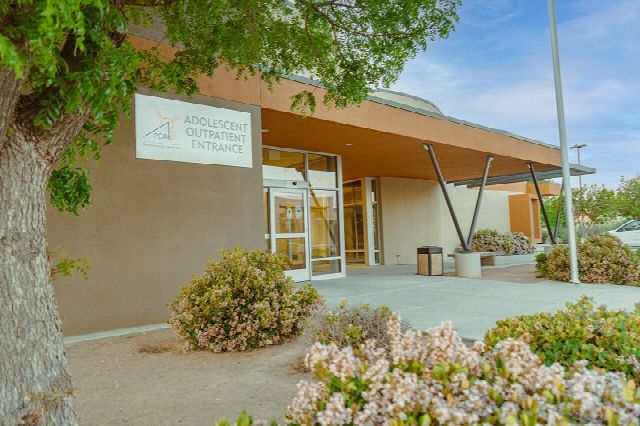
Santa Teresa, NM
Substance use treatment · Cognitive behavioral therapy · Dialectical behavior therapy
Accepts: Cash or self-payment, Medicaid, Medicare
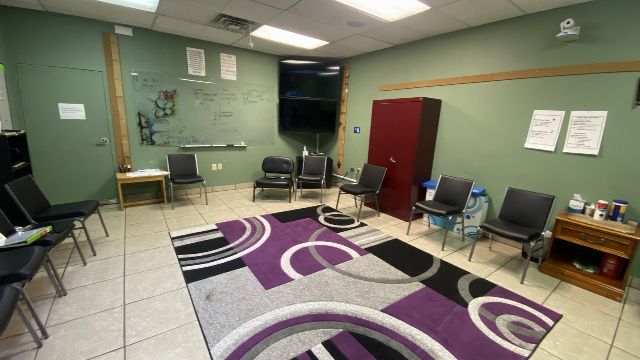
Albuquerque, NM
Substance use treatment · Accepts clients on opioid medication but prescribed elsewhere · Cognitive behavioral therapy
Accepts: Cash or self-payment, Medicaid, State-financed health insurance plan other than Medicaid
Albuquerque, NM
Substance use treatment · Cognitive behavioral therapy · Dialectical behavior therapy
Accepts: Cash or self-payment, Medicaid, Medicare
Albuquerque, NM
Substance use treatment · SAMHSA-certified Opioid Treatment Program · Cognitive behavioral therapy
Accepts: Cash or self-payment, Medicaid, Medicare
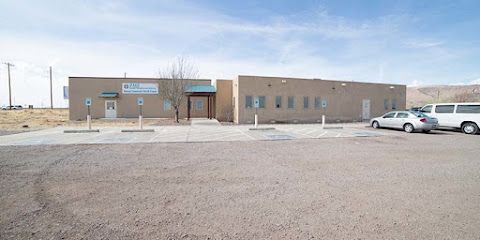
Socorro, NM
Substance use treatment · Cognitive behavioral therapy · Substance abuse counseling
Accepts: Cash or self-payment, Medicaid, Medicare
Santa Fe, NM
Substance use treatment · Cognitive behavioral therapy · Substance abuse counseling
Accepts: Cash or self-payment, Medicaid, Medicare
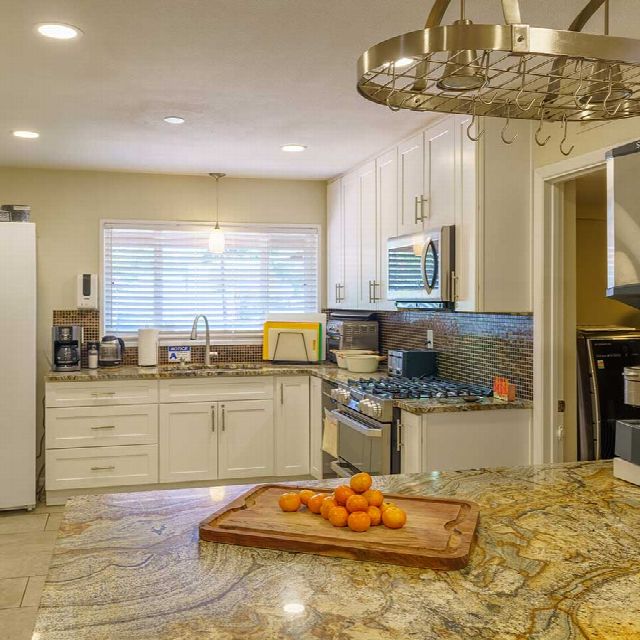
Albuquerque, NM
Substance use treatment · Cognitive behavioral therapy · Dialectical behavior therapy
Accepts: Cash or self-payment, Medicaid, Medicare
Santa Fe, NM
Substance use treatment · Cognitive behavioral therapy · Dialectical behavior therapy
Accepts: Cash or self-payment, Medicaid, Medicare
Taos, NM
Substance use treatment · Accepts clients on opioid medication but prescribed elsewhere · Cognitive behavioral therapy
Accepts: Cash or self-payment, Private health insurance, Active duty military
Santa Fe, NM
Substance use treatment · Accepts clients on opioid medication but prescribed elsewhere · Cognitive behavioral therapy
Accepts: Cash or self-payment, Medicaid, Medicare
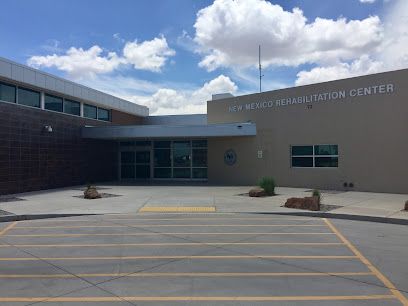
Roswell, NM
Substance use treatment · Cognitive behavioral therapy · Substance abuse counseling
Accepts: Cash or self-payment, Medicaid, State-financed health insurance plan other than Medicaid
Looking for medication treatment for opioid addiction? See methadone clinics in New Mexico.
To receive immediate placement help from a treatment representative, call the sponsored hotline — available 24/7.
New Mexico carries a burden of addiction that is older and more concentrated than in most states. The Española Valley in Rio Arriba County has recorded some of the highest per-capita overdose death rates in the country for decades, a multigenerational heroin problem that took hold years before the national opioid crisis made headlines; Rio Arriba County's drug overdose death rate reached 83.6 per 100,000 in 2015–2019, the highest of any county in the state (New Mexico Department of Health). That history shapes how recovery works here.
Nearly half of New Mexicans are Hispanic, and the state is home to 23 sovereign tribal nations, including 19 Pueblos, the Navajo Nation, and the Jicarilla and Mescalero Apache, so treatment often runs through Indian Health Service and tribal behavioral health programs alongside private and county providers. Geography complicates everything: this is one of the most rural, high-desert states in the country, and someone in a frontier county may live hours from the nearest residential bed. New Mexico expanded Medicaid under the Affordable Care Act in 2014, which broadened coverage for low-income adults, yet distance, workforce shortages, and long waitlists still stand between many people and care. If you or a loved one is searching here, understanding that terrain is the first practical step.
Sober Nation lists 141 treatment centers across New Mexico, and they cluster where the population does. Albuquerque alone accounts for 37, followed by Santa Fe (9), Espanola (8), Las Cruces (7), and Taos (7). Rio Rancho and Farmington each list 6, Gallup 4, and Roswell and Hobbs 3 apiece. That distribution tells its own story: the Albuquerque-Santa Fe corridor and the northern Rio Grande valley hold most of the state's capacity, while the southeastern oil-patch counties and the Navajo-adjacent northwest remain comparatively thin. Eight centers in a community the size of Espanola underscores how acute the need has been in the north.
Statewide, New Mexico has consistently ranked among the highest states for drug overdose and alcohol-related deaths: its drug overdose death rate was the seventh-highest in the nation in 2023, and its alcohol-related death rate — 84.5 per 100,000 in 2023 — is the highest of any state (New Mexico Department of Health). A large share of residents who need substance use treatment never receive it: about 74.6% of New Mexicans aged 12 or older who needed treatment did not get it in 2022–2023 (SAMHSA, National Survey on Drug Use and Health). Federal survey data also indicate that roughly 21.3% of people aged 12 or older met criteria for a substance use disorder in the past year — about 10.4% for alcohol use disorder and 14.0% for a drug use disorder (SAMHSA NSDUH, 2022–2023). Use the city counts above to gauge how far you may need to travel to reach the right level of care.
Not every center offers every level of care, and New Mexico's mix skews heavily toward outpatient. Outpatient programs, where you live at home and attend scheduled counseling or group sessions, are offered by 89% of listed centers, making them the most available option and often the right starting point for people with stable housing and mild-to-moderate use. Aftercare, or continuing-care support, appears at 82%, a reminder that recovery does not end when acute treatment does and that relapse prevention is built into most programs here. Medication-assisted treatment (MAT), which pairs FDA-approved medications such as buprenorphine or naltrexone with counseling, is available at 51%, which matters in a state with a long opioid history.
Higher-intensity care is harder to find: only 20% of centers offer medically supervised detox, and just 16% provide residential (inpatient) beds where you stay onsite around the clock. If you or a loved one needs detox or residential treatment, expect fewer choices, start your search early, and call ahead to confirm a bed is actually available rather than assuming one is.
Cost is the first barrier most people hit, but coverage in New Mexico is broader than many expect. Among listed centers, 89% accept Medicaid and 61% accept Medicare, an unusually high Medicaid acceptance rate that reflects how central the program is to health care in this state. New Mexico expanded Medicaid under the Affordable Care Act, effective January 1, 2014, extending eligibility to adults earning up to 138% of the federal poverty level and covering substance use treatment as an essential health benefit. The federal Mental Health Parity and Addiction Equity Act of 2008 generally requires health plans that cover behavioral health care to do so on terms comparable to medical and surgical care.
If you are uninsured, ask centers directly about sliding-scale fees, county indigent funds, and state-funded treatment slots administered through the New Mexico Behavioral Health Services Division. Whatever your coverage, verify your specific benefits before admission. Confirm the facility's in-network status, any prior-authorization requirements, and exactly what your plan pays for detox, residential care, and MAT, since those details vary widely from plan to plan.
Compare payment options, including sliding-scale fees and Medicaid: free and low-cost rehab centers in New Mexico.
If you are trying to find help outside a directory, a few state-level resources are worth knowing.
These are starting points: free, confidential, and available statewide.
Speak with a treatment representative about programs across New Mexico.
Finding treatment is a personal decision. We help you compare options, explain how advertising works on our site, and give you a way to flag information that needs updating.
Facility listings show contact details so you can ask a center about its services, availability and costs.
Our listing standardsFeatured listings and the sponsored helpline are advertising. A paid placement is not a clinical recommendation.
About advertisingPrograms and availability can change. Confirm licensing, services and insurance coverage directly with a facility before choosing care.
How listings workSee an outdated phone number or a closed facility? Let us know. Facility representatives can also request access to update their listing.
Report a correction