
Substance use treatment · Does not use medication for opioid addiction · Accepts clients on opioid medication but prescribed elsewhere
Accepts: Medicaid
Why it's listed:
- Medicaid


24 of the 26 Washington, DC programs in our directory are government-run, offer reduced fees or accept Medicaid. Call a program to confirm what it charges and whether you qualify.
Each count comes from the payment details programs report in our directory. The counts overlap: a program with a sliding scale that also takes Medicaid appears in both. When one organization lists a site more than once, it counts once.
Programs that don't charge, are government-run or offer reduced fees are listed first, followed by programs whose low-cost option is Medicaid. Showing 21 to 24 of 24.
Substance use treatment · Does not use medication for opioid addiction · Accepts clients on opioid medication but prescribed elsewhere
Accepts: Medicaid
Why it's listed:
Substance use treatment · Accepts clients on opioid medication but prescribed elsewhere · Cognitive behavioral therapy
Accepts: Cash or self-payment, Medicaid
Why it's listed:
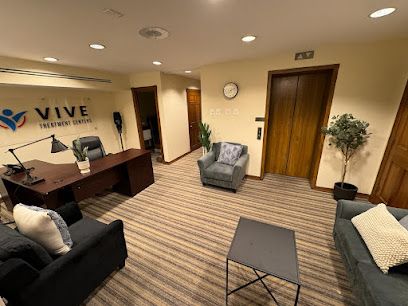
Substance use treatment · All Clients in Opioid Treatment Program · SAMHSA-certified Opioid Treatment Program
Accepts: Medicaid, State-financed health insurance plan other than Medicaid
Why it's listed:

Washington, DC
Substance use treatment · Accepts clients on opioid medication but prescribed elsewhere · Cognitive behavioral therapy
Accepts: Cash or self-payment, Medicaid, Medicare
Why it's listed:
To talk with a treatment representative about programs and costs, call the sponsored hotline. It's available 24/7.
There's no single national rule. Each state runs its own publicly funded treatment system and sets its own eligibility rules. In Washington, DC, DC Department of Behavioral Health (DBH) oversees publicly funded substance use services.
Federal rules do set some priorities. Programs that get SAMHSA substance use block grant funds and serve women have to give pregnant women preference for admission. Funded programs that serve people who inject drugs give treatment preference in this order:
A program that reports "no payment accepted" doesn't charge patients. Government-run programs may still bill insurance or use a sliding scale, and eligibility can depend on where you live, your income and whether you're insured. Ask before you go.
DC Department of Behavioral Health (DBH) is the Washington, DC agency for publicly funded substance use treatment. Visit the DC Department of Behavioral Health (DBH) website for help finding treatment.
22 of the 26 Washington, DC programs in our directory say they accept Medicaid, and 15 accept a state-financed health plan other than Medicaid.
State Medicaid programs cover addiction treatment to different degrees. Whether detox, residential care, outpatient programs or medication for opioid use disorder are covered depends on Washington, DC's rules and your plan, so check with both the program and your plan. Check eligibility and apply.
In Washington, DC, substance use treatment programs are licensed or certified by DC Department of Behavioral Health (certification of SUD treatment and recovery providers). Check the state's provider list.
None of the 26 Washington, DC programs in our directory report that they accept no payment or that a state, county or tribal agency runs them. 2 are run by the VA, the Department of Defense or the Indian Health Service. Those programs serve only eligible veterans, military health system patients or American Indian and Alaska Native patients. Lower-cost care is still available: 5 programs use a sliding fee scale and 22 accept Medicaid. If you have no insurance, SAMHSA's National Helpline (see samhsa.gov) can refer you to DC Department of Behavioral Health (DBH), which handles state-funded treatment.
22 of the 26 Washington, DC programs in our directory say they accept Medicaid. State Medicaid programs cover addiction treatment to different degrees, so ask the program and your Medicaid plan which services are covered before you start.
It depends on the type of care, how long it lasts and the program itself. Outpatient care usually costs less than a residential stay. In Washington, DC, 5 programs in our directory use a sliding fee scale based on income, and 6 offer payment assistance. Ask for the self-pay rate and whether you qualify for a reduced fee before you're admitted.
Under federal block grant rules, programs that get block grant funds and serve women must give pregnant women preference for admission. Funded programs that serve people who inject drugs give treatment preference in this order: pregnant women who inject drugs, other pregnant women with a substance use disorder, people who inject drugs, and then everyone else (45 CFR 96.131). Other eligibility rules vary by state, so ask the program or DC Department of Behavioral Health (DBH).
A sliding fee scale sets what you pay based on your income and other factors. Payment assistance varies more: each program decides what help it offers, so ask what's available and what paperwork you'll need.
Yes. Veterans can ask the VA about substance use treatment through VA health care. American Indian and Alaska Native people can contact the Indian Health Service or a tribal health program about alcohol and substance use services.
Program counts: data updated September 2026.
Finding treatment is a personal decision. We help you compare options, explain how advertising works on our site, and give you a way to flag information that needs updating.
Facility listings show contact details so you can ask a center about its services, availability and costs.
Our listing standardsFeatured listings and the sponsored helpline are advertising. A paid placement is not a clinical recommendation.
About advertisingPrograms and availability can change. Confirm licensing, services and insurance coverage directly with a facility before choosing care.
How listings workSee an outdated phone number or a closed facility? Let us know. Facility representatives can also request access to update their listing.
Report a correction