

Pleasure, Pain and the Art of Letting Go
By Tim StoddartAug 6, 2013Updated Jul 22, 2014Personal Addiction Recovery Stories
 As a species, humankind is hardwired for pleasure and have aversion to things that cause us pain. When you think about it, it makes total sense. We seek out what brings us happiness and contentment; we drink deep from its marrow and we frame our existence from the accumulation of those things that brings us pleasure. For some people pleasure can derive from accumulating possessions and for others pleasure can derive from the intimacy and desire of intimate relationships. Pleasure can also be sought by seeking thrill seeking activities and all things in between.
Pleasure (and by extension happiness) are prime motivators in our lives. When we experience things that bring pleasure and happiness we remember those experiences and look to enhance them and build momentum for the future. Being fully happy changes our worldview and how we react to events, places and things. Through these dynamics and reinforcing experiences the quality of life improves and in an altruistic sense we achieve well-being.
However, pleasure is a temporary and sometimes fleeting feeling. Those toys that were cherished can break down and gather rust and the dynamics of a friendship or relationship can turn on a dime. Those things that comfort us can be taken away due to greed, avarice, laziness, or just failing to pay attention. What we also learn as human beings is that we aren’t perfect beings; our realm is wrought with obstacles. It is the way we deal with those obstacles and the lessons we learn from them that will ultimately define our character.
Where does the use of drugs and the subsequent addictive patterns associated with use fit into the picture? Initially and on the surface level, there is a feeling of happiness and pleasure when one uses drugs. One may use drugs as a means of escape from the grind of day-to-day living or there may be deeper motivations into why someone may use. Examples may be the desire to fit in borne from self-esteem issues or deep-seating family or personal issues.
The way drugs makes one feel on a chemical level get reinforced dependent on the settings in which drugs are used as well as the people they are done with. Depending on those sets and settings pleasurable feelings get reinforced and gain momentum. The use of drugs in conjunction with the environments in which they are used becomes ritual, thus highly reinforced and can become engrained in one’s day-to-day life.
While the use of drugs provides that pleasure on the surface level, that rush is fleeting. The use of drugs can stem from an inability to cope with obstacles and problems. This more than likely is due to the fact there was a lack of development in the tools and strategies that are needed to deal with those issues in a constructive or healthy manner. Pleasure is a temporary and somewhat static state and the pleasure derived from the use of drugs is equally temporary and static. Once those pleasurable feelings are gone reality throws its weight and the cycle of using becomes more chronic in nature.
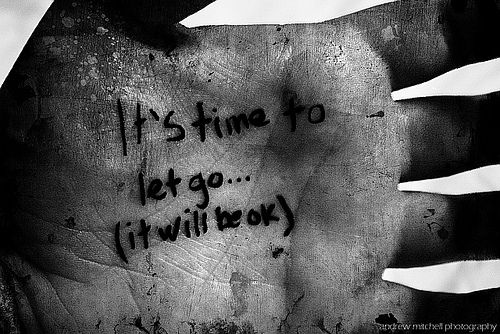
In recovery, there is a theme of letting go—letting go of old playmates, playthings and surroundings, whether physical or metaphoric in nature. Superficial ways in coping with life and its myriad of hindrances are replaced with healthier and more substantial ways of coping. Without the blinders on and old crutches to fall on, we realize we need to live life on life’s terms. We need to let go of the baggage of the past because hanging on to the past will ultimately consume us and we will backslide into those old behaviors.
We need to let go of the illusion of controlling the future because as it’s been stated before, the future hasn’t happened yet. How we handle the future is predicated on how we handle the current moment. Ultimately, we need to let go of the illusion that our using was the skeleton key unlocking the truth. While using brought pleasure, thrills and high times, the backend of those highs was the reality that using brought ruin to those we love. We can leave those past chapters open just a crack to remind us of what once was, but we don’t have to fully open the book itself.
Author Bio
Tim Powers – bald, tattooed, a business professional by day and rocker by night. Sober by the grace of God since the 8th of May in the year of our Lord 2003. Sharing my stories and my self in order to pay it forward. You can follow me on Twitter @tpowersbass42.
About the author
Tim Stoddart
Spiritual gangster. I love dogs, music and the blank page. Grateful to be sober. Join my mailing list for TimStodz and join my Facebook Page.
Ready to take the next step?
Recovery starts with finding the right treatment. Browse rehab centers, detox programs, and sober living homes in our nationwide directory.
Choose your next step
Keep reading, with a purpose
Related guide
What is Sobriety? Understanding Your Path to True Freedom
Explore what sobriety truly means in this enlightening article, delving into its journey beyond physical abstinence to emotional and psychological freedom. Discover how therapies like CBT, DBT, and MAT, along with a holistic approach, are key to overcoming addiction. Learn about sobriety's positive impacts on relationships, mental health, and overall well-being, highlighting the profound sense of freedom and fulfillment it brings.
Related guide
Getting Sober: How to Start Safely and What to Do Today
If you want to get sober but do not know where to begin, start with the immediate questions: how to stop safely, who to ask for help, and what support you will need in the first few days.
Related guide
Staying Sober: A Practical Guide to Protecting Your Recovery
Once you stop drinking or using, there is still work, family, stress, and free time to figure out. Staying sober involves building routines and knowing who to call when you want to use again.
Leave a Reply
Your email address will not be published. Required fields are marked *