

Long Term Effects of Ecstasy
By Tim StoddartJun 14, 2013Updated Jul 22, 2014Ecstasy Addiction
In this article
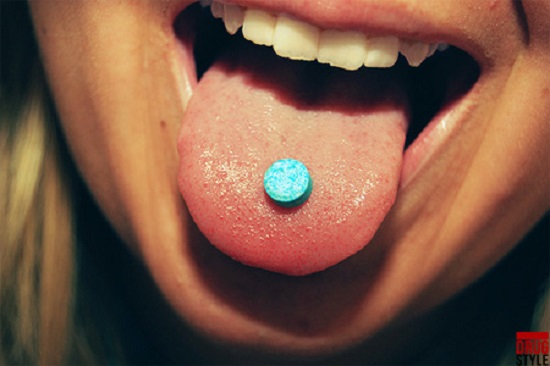
Ecstasy is a drug that’s popular on the club scene and known for making users feel good both emotionally and physically. The drug can have some nasty long term effects, however, that may not be apparent to users in the short term. Here are some of the long term effects of ecstasy.
Long Term Effects of Ecstasy on the Brain
Ecstasy primarily affects the brain’s serotonin center. Serotonin is a neurotransmitter that is related to your mood and feelings of well-being. In the short term, ecstasy increases serotonin levels to make you feel happy and euphoric. The long term effects of ecstasy on the serotonin center, however, can be permanent and result in feelings that are quite the opposite.
Long term ecstasy use can result in irreversible damage to the brain that can affect all the ways serotonin functions. Essentially, it can limit the amount of serotonin your body produces and block serotonin from doing its job. It can negatively impact our ability to sleep, remember things, and be happy. Long term effects of ecstasy include memory loss, difficulty sleeping, difficulty concentrating, depression, anxiety, mood swings, and even psychosis.
There are studies that suggest long term ecstasy use can also result in other types of brain damage, including the reduction of overall brain mass.
Long Term Effects of Ecstasy on the Body
There are many other long term effects of ecstasy, and they are related to short term effects of using the drug. Increased heart rate and blood pressure in the short term can lead to heart palpitations and cardiovascular disease, which can include heart attacks and strokes. Dehydration can lead to kidney and liver damage or failure.
Other Long Term Effects of Ecstasy
The majority of the long term effects of ecstasy use are related to the brain and a person’s mood. Other indirect long term effects are possible. For example, ecstasy use lowers your inhibitions and increases your sex drive. If users engage in unprotected sex, they could contract an incurable STD. Other risky behavior could result in accidents and injuries to the body that could have long term or permanent results.
Long term use of ecstasy can also lead to addiction, although ecstasy is not a drug that results in severe physical withdrawal symptoms. The most common withdrawal symptom is depression. Some people can develop an addiction to ecstasy, which would have all the negative consequences and long term effects of any addiction. For example, long term problems with relationships, money, work, and the law could become serious issues.
Factors that Influence Long Term Effects
Not everyone who uses ecstasy will experience the same effects. The amount of ecstasy you take in your lifetime is the most important factor. The more ecstasy you take, the more long term damage you’ll have to your brain and body. A person’s individual brain chemistry is also a factor. For example, someone who is already prone to depression may experience more severe depression from long term ecstasy use.
About the author
Tim Stoddart
Spiritual gangster. I love dogs, music and the blank page. Grateful to be sober. Join my mailing list for TimStodz and join my Facebook Page.
Ready to take the next step?
Recovery starts with finding the right treatment. Browse rehab centers, detox programs, and sober living homes in our nationwide directory.
Choose your next step
Keep reading, with a purpose
Related guide
How to Stop Using Ecstasy or MDMA and Get Support
If the week after feels worse each time, or you're taking more than you used to, this page covers what may be in the pills, what stopping involves, and what family should watch for.
Related guide
Getting Sober: How to Start Safely and What to Do Today
If you want to get sober but do not know where to begin, start with the immediate questions: how to stop safely, who to ask for help, and what support you will need in the first few days.
Related guide
Staying Sober: A Practical Guide to Protecting Your Recovery
Once you stop drinking or using, there is still work, family, stress, and free time to figure out. Staying sober involves building routines and knowing who to call when you want to use again.
Leave a Reply
Your email address will not be published. Required fields are marked *