

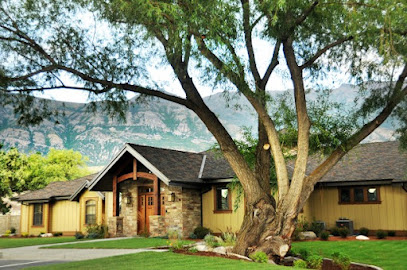
At a Glance
Location
145 South 1300 West, Pleasant Grove, UT 84062
Phone
801-785-9400Primary Focus
Treatment Settings
Treatment Approaches
Special Programs
About Willow Tree Recovery
Willow Tree Recovery is a Joint Commission-accredited residential treatment center in Pleasant Grove, Utah, offering structured, longer-term care for adults navigating substance use and co-occurring mental health conditions. With Cognitive Behavioral Therapy at the core of its clinical program, the center is built for people ready to commit to sustained recovery, not just stabilization.
Willow Tree Recovery operates as a residential addiction treatment program located at 145 South 1300 West in Pleasant Grove, Utah — positioned in Utah County for individuals seeking immersive, longer-term care for substance use disorders. The center holds Joint Commission (JCAHO) accreditation, a distinction that signals a measurable standard of clinical quality and operational accountability. For people in the Sober Nation community evaluating recovery centers in Utah, that accreditation matters when choosing a long-term recovery partner rather than a short-term fix.
The facility's primary level of care is residential treatment, meaning clients live on-site and participate in a structured daily program designed to address the full scope of addiction. Residential treatment at Willow Tree Recovery is built for people who need more than weekly check-ins — it creates the kind of immersive environment where real behavioral change can take root. This level of care situates the center firmly in the longer recovery journey, offering continuity that outpatient-only settings cannot replicate.
Cognitive Behavioral Therapy (CBT) serves as the confirmed therapeutic method at Willow Tree Recovery. CBT is a clinically grounded approach that helps clients examine and reshape the thought patterns driving addictive behavior — a practical skill set that supports lasting sobriety well after residential treatment ends. The center also treats co-occurring disorders, recognizing that mental health and substance use rarely travel alone. Addressing both within a single residential program reduces the fragmentation that often derails recovery.
Willow Tree Recovery serves individuals dealing with substance use disorders and co-occurring mental health conditions — a population that benefits most from integrated, longer-duration residential care. The center accepts private insurance and self-pay arrangements, broadening access for people at different points in their financial planning. Admissions and administrative staff are available Monday through Friday, 8:00 a.m. to 4:00 p.m. For anyone in Utah County or beyond who is weighing residential treatment as the next serious step in their recovery, Willow Tree Recovery offers accredited, clinically grounded care worth a close look.
Residential Treatment Built for the Long Recovery Journey
Willow Tree Recovery's residential treatment program is designed for individuals who are ready to step fully into recovery — not simply manage a crisis. Residential treatment means living within the program, participating in structured daily care, and building the habits and skills that sustain sobriety over time. For the Sober Nation community evaluating options between short-term stabilization and genuinely transformative care, residential treatment represents the deeper commitment.
Located in Pleasant Grove, Utah, the center's residential model creates the kind of focused environment where clients can separate from the circumstances that fueled their substance use and focus entirely on recovery. That immersive structure is particularly valuable for people managing co-occurring disorders, where both mental health and addiction require consistent, layered attention from a clinical team.
Dual Diagnosis Care: Treating the Full Picture
Willow Tree Recovery is confirmed to treat co-occurring disorders — what clinicians call dual diagnosis — meaning the program addresses mental health conditions alongside substance use disorders within the same residential setting. For many people, untreated mental health challenges are a root driver of addiction, and programs that treat only one side of that equation often see higher rates of relapse.
Integrating dual diagnosis care into a residential program means clients do not have to navigate separate systems or interrupt treatment to address a mental health need. It is one of the clearest reasons the center's JCAHO accreditation carries weight: that kind of integrated, complex care requires clinical infrastructure and oversight that accreditation bodies scrutinize closely.
Cognitive Behavioral Therapy at the Core
Cognitive Behavioral Therapy is the confirmed therapeutic foundation at Willow Tree Recovery. CBT works by helping individuals identify the specific thoughts, beliefs, and patterns that contribute to addictive behavior — and then systematically practice replacing them with healthier responses. Unlike approaches focused only on the past, CBT is practical and forward-looking, giving clients tools they can use in real situations both during and after residential treatment.
For people thinking about what comes after residential care — returning to work, rebuilding relationships, staying connected to a recovery community — the skills developed through CBT provide a durable framework. Recovery is not something that ends at discharge, and a therapy model built around lasting behavioral change reflects that reality.
Accreditation, Insurance, and Getting Started
Willow Tree Recovery holds accreditation from the Joint Commission (JCAHO), one of the most recognized independent accrediting bodies in behavioral healthcare. For families and individuals doing serious research on residential treatment options in Utah, JCAHO accreditation is a concrete, third-party indicator that a facility meets defined standards for safety, clinical practice, and organizational performance.
The center accepts private insurance and self-pay arrangements, giving prospective clients flexibility when planning for the financial side of treatment. To learn more or begin the admissions process, Willow Tree Recovery can be reached at (801) 785-9400 or by email at [email protected]. Administrative staff are available Monday through Friday from 8:00 a.m. to 4:00 p.m.
Why Choose Willow Tree Recovery
- Joint Commission (JCAHO) accreditation — a verified standard of clinical quality that many residential programs in Utah do not hold
- Integrated dual diagnosis treatment addresses co-occurring mental health conditions alongside substance use within a single residential program
- CBT-centered clinical approach equips residents with practical coping skills designed to support sobriety long after treatment ends
- Residential level of care provides the depth and continuity that outpatient programs alone cannot offer for people pursuing lasting recovery
- Accepts both private insurance and self-pay, offering flexibility for individuals at different stages of planning their recovery
Frequently Asked Questions
What level of care does Willow Tree Recovery offer?
Willow Tree Recovery provides residential treatment, which means clients live on-site and participate in a structured, full-time recovery program. This level of care is suited for individuals who need more intensive support than outpatient programs provide and who are committed to an immersive recovery experience.
Does Willow Tree Recovery treat co-occurring mental health conditions?
Yes. The center is confirmed to treat co-occurring disorders, also called dual diagnosis, within its residential program. This means both substance use and mental health conditions are addressed together rather than separately, which is particularly important for people whose mental health and addiction are closely linked.
What therapy approach does Willow Tree Recovery use?
Cognitive Behavioral Therapy (CBT) is the confirmed therapeutic method at Willow Tree Recovery. CBT helps clients recognize and change the thinking patterns that contribute to substance use, building practical coping skills intended to support long-term recovery beyond the residential setting.
Is Willow Tree Recovery accredited?
Yes. Willow Tree Recovery holds accreditation from the Joint Commission (JCAHO). This is an independent, nationally recognized accreditation that verifies the center meets defined clinical and operational standards in behavioral healthcare.
What payment options does Willow Tree Recovery accept?
The center accepts private insurance and self-pay or cash arrangements. Prospective clients should contact the admissions team directly at (801) 785-9400 to discuss coverage and payment planning in more detail.
Where is Willow Tree Recovery located?
Willow Tree Recovery is located at 145 South 1300 West in Pleasant Grove, Utah 84062, in Utah County. The residential setting provides a focused environment for individuals pursuing longer-term recovery.
What hours can I reach Willow Tree Recovery?
Administrative staff at Willow Tree Recovery are available Monday through Friday, from 8:00 a.m. to 4:00 p.m. You can reach the center by phone at (801) 785-9400 or by email at [email protected].
Who is residential treatment at Willow Tree Recovery designed for?
The program serves adults dealing with substance use disorders, including those with co-occurring mental health conditions. Residential treatment is particularly well-suited for individuals who have determined that a structured, immersive program is the right next step in their longer recovery journey.
How is residential treatment different from outpatient programs?
Residential treatment means clients live at the facility and receive care on a full-time basis, rather than attending scheduled sessions and returning home. This structure provides a higher level of clinical support and removes many of the environmental triggers that can disrupt early recovery, making it a stronger fit for individuals who need sustained, focused care.
Nearby Treatment Centers

White Sage Recovery Drug and Alcohol Detox Center
Pleasant Grove, UT
- Detox
- MAT
Smoking permitted in designated area · Hospital inpatient · State department of health
Accepts: Cash or self-payment, Private health insurance
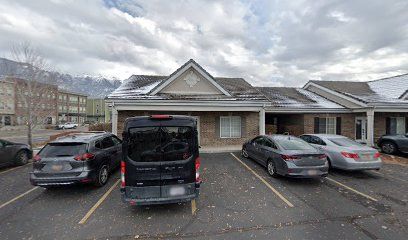
Alliance Clinical Services
Pleasant Grove, UT
- IOP
Substance use treatment · Accepts clients on opioid medication but prescribed elsewhere · Cognitive behavioral therapy
Accepts: Cash or self-payment, Medicaid, State-financed health insurance plan other than Medicaid
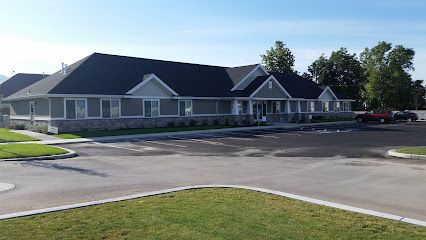
Suncrest Counseling
American Fork, UT
- PHP
- IOP
Substance use treatment · Does not treat opioid addiction · Cognitive behavioral therapy
Accepts: Cash or self-payment, Private health insurance
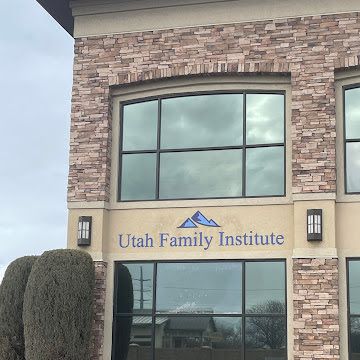
Utah Family Institute
American Fork, UT
- Outpatient
Substance use treatment · Accepts clients on opioid medication but prescribed elsewhere · Cognitive behavioral therapy
Accepts: Cash or self-payment, Medicaid, State-financed health insurance plan other than Medicaid
Atlas Therapeutic Services
Pleasant Grove, UT
- IOP
Substance use treatment · Accepts clients on opioid medication but prescribed elsewhere · Cognitive behavioral therapy
Accepts: Cash or self-payment, Private health insurance, Military insurance
APS American Fork
American Fork, UT
- IOP
Substance use treatment · Accepts clients on opioid medication but prescribed elsewhere · Cognitive behavioral therapy
Accepts: Cash or self-payment, Medicaid, Medicare