


At a Glance
Location
7966 Beverly Blvd Ste 102, Los Angeles, CA 90048
Phone
(855) 340-8832Primary Focus
Treatment Settings
Treatment Approaches
Special Programs
About Westwind Recovery
Westwind Recovery is a NCQA-accredited substance use treatment center in Los Angeles, CA, offering outpatient programs, intensive outpatient (IOP), and sober living for adults navigating long-term recovery. With a clinical team led by a doctoral-level chief clinical officer and a therapy roster that includes CBT, EMDR, family therapy, and more, Westwind serves a wide range of individuals — including veterans, young adults, and those managing co-occurring disorders.
Located on Beverly Boulevard in Los Angeles, Westwind Recovery is an NCQA-accredited substance use treatment center built around the idea that recovery extends well beyond initial treatment. The center offers therapy, counseling, and structured support designed for people who are serious about sustaining sobriety over the long term — not just getting through a crisis. As a recovery partner in one of the country's most resource-rich cities, Westwind connects clients to ongoing community and clinical support.
Westwind's continuum of care is structured around three core levels: an Outpatient Program, an Intensive Outpatient Program (IOP), and Sober Living. The IOP provides structured therapeutic sessions while allowing clients to maintain their daily lives, making it a practical option for working adults, young adults in school, and others who need flexibility without sacrificing clinical depth. The sober living component offers a bridge between formal treatment and independent life — a structured, recovery-focused living environment for those transitioning out of more intensive care.
Clinically, Westwind's approach draws on a broad set of therapeutic methods grounded in the confirmed facts: Cognitive Behavioral Therapy (CBT), EMDR Therapy, Experiential Therapy, Art Therapy, Music Therapy, Family Therapy, Group Therapy, and Individual Therapy. Co-occurring disorders and trauma/PTSD are explicitly addressed within the program, and the clinical team is led by Deena Manion, PsyD, LCSW, who serves as Chief Clinical Officer. Family therapy is part of the treatment model, reflecting an understanding that recovery affects entire households, not just individuals.
Westwind serves a notably broad population: men and women, veterans (with TRICARE accepted as a payment option), young adults ages 18–25, seniors and older adults, those with HIV/AIDS-related needs, and court-ordered individuals. Payment options include private insurance, TRICARE, self-pay/cash, and a sliding scale fee structure. The center operates 24 hours and offers aftercare support, making it a viable long-term recovery partner for a wide cross-section of the Los Angeles community.
Outpatient & IOP: Structured Recovery Without Putting Life on Hold
Westwind Recovery's Outpatient Program and Intensive Outpatient Program (IOP) are designed for people who need real clinical depth but cannot step away from work, family, or school for a residential stay. IOP in particular offers the kind of structured, multi-session weekly engagement that supports early and mid-stage recovery — frequent enough to build real momentum, flexible enough to coexist with daily responsibilities.
Both programs incorporate a wide range of therapeutic methods confirmed in Westwind's clinical model, including group therapy, individual therapy, and family therapy. For those managing trauma or co-occurring mental health conditions alongside substance use, the availability of EMDR and CBT within the same program means clients do not have to seek separate providers for integrated care.
Sober Living in Los Angeles: The Bridge That Changes Outcomes
Research consistently shows that the transition out of structured treatment is one of the highest-risk periods in recovery. Westwind addresses this directly through its sober living homes, which are part of the facility's confirmed continuum rather than a referral afterthought. For clients completing IOP or stepping down from higher levels of care, sober living provides a recovery-focused community environment while independence is rebuilt.
In a city like Los Angeles — where housing instability and social triggers are real obstacles — having access to sober living through the same recovery center that provided clinical treatment creates continuity. Clients maintain relationships with peers and staff they already know, rather than starting over in an unfamiliar setting at the most vulnerable stage of recovery.
Who Westwind Serves: A Recovery Community Built for Real Diversity
Westwind's confirmed population list is notably broad: men and women, veterans, young adults ages 18–25, seniors and older adults, individuals with HIV/AIDS-related needs, and court-ordered clients. This range reflects a program that has built infrastructure — clinical, administrative, and logistical — to serve people with meaningfully different life circumstances and recovery needs.
Veterans in particular benefit from Westwind's acceptance of TRICARE, one of the military's primary insurance programs. Young adults navigating early recovery will find peers in the 18–25 population category, while older adults and seniors have a program that acknowledges their distinct recovery context. For families supporting a loved one in treatment, family therapy is part of the confirmed clinical model — not an optional add-on.
Aftercare and Ongoing Support in the Recovery Journey
Getting through outpatient treatment is one milestone. Sustaining recovery over months and years is another. Westwind confirms aftercare as part of its support structure, which means clients completing their primary program have a continued connection to the center rather than a clean break with no follow-up.
For Sober Nation's audience — people evaluating treatment for the long haul, not just immediate crisis care — this matters. A recovery center that stays engaged after the formal program ends is a different kind of partner than one that closes the file at discharge. Combined with 24-hour availability and a sliding scale payment option that lowers financial barriers to re-engagement, Westwind positions itself as a place clients can return to when support is needed.
Why Choose Westwind Recovery
- NCQA accreditation distinguishes Westwind from many Los Angeles recovery centers — a credential that signals verified quality standards in behavioral health care
- Sober living homes are integrated directly into the continuum of care, giving clients a structured place to land after outpatient treatment rather than navigating that transition alone
- Trauma and co-occurring disorders are core clinical focuses, not add-ons — with EMDR Therapy available alongside CBT and individual therapy for clients carrying complex histories
- Veterans are explicitly served, and TRICARE is accepted — rare among outpatient programs and a meaningful distinction for military-connected individuals and families in the LA area
- Clinical leadership at the doctoral level (PsyD, LCSW) reflects a program that takes dual-diagnosis and trauma-informed care seriously at the top of its organizational structure
Frequently Asked Questions
What levels of care does Westwind Recovery offer?
Westwind Recovery offers three levels of care: an Outpatient Program, an Intensive Outpatient Program (IOP), and Sober Living. This continuum is designed to support clients through different stages of recovery, from structured weekly treatment to the transition into independent sober living.
Does Westwind Recovery offer sober living homes?
Yes. Sober living is a confirmed part of Westwind's continuum of care, and the center operates sober living homes. This makes it possible for clients to transition from outpatient treatment into a structured, recovery-focused living environment without having to find housing independently.
What therapeutic approaches does Westwind use?
Westwind's clinical model includes Cognitive Behavioral Therapy (CBT), EMDR Therapy, Experiential Therapy, Art Therapy, Music Therapy, Family Therapy, Group Therapy, and Individual Therapy. Trauma and co-occurring disorders are core clinical focuses within the program.
Does Westwind treat co-occurring mental health conditions alongside addiction?
Yes. Co-occurring disorders and dual diagnosis are explicitly listed among the conditions Westwind treats. Trauma and PTSD are also confirmed focus areas. Therapies such as EMDR and CBT are part of the clinical model specifically because of their effectiveness with these overlapping conditions.
Does Westwind accept insurance, and is there financial assistance available?
Westwind accepts private insurance, TRICARE, and self-pay/cash. A sliding scale fee option is also available, which can reduce out-of-pocket costs for clients who qualify. Contact the center directly at (800) 223-5759 to discuss your specific insurance coverage.
Does Westwind serve veterans?
Yes. Veterans are among the confirmed populations explicitly served by Westwind Recovery. TRICARE is accepted as a payment method, which makes access more straightforward for active-duty personnel, veterans, and their families covered under military health insurance.
Is Westwind Recovery accredited?
Yes. Westwind Recovery holds NCQA accreditation, which is a recognized quality standard in behavioral health and managed care. This accreditation reflects a program that has undergone external review of its clinical practices and organizational standards.
Who leads the clinical program at Westwind Recovery?
The clinical program is led by Deena Manion, PsyD, LCSW, who serves as Chief Clinical Officer. Her credentials reflect doctoral-level training in psychology alongside licensure as a clinical social worker, bringing a strong foundation in both assessment and therapeutic practice to the program's clinical direction.
Does Westwind offer aftercare or support after completing treatment?
Yes. Aftercare is a confirmed component of Westwind's support structure. This means clients finishing their primary outpatient program have continued access to support rather than being discharged without follow-up — an important feature for anyone committed to long-term recovery.
What populations does Westwind Recovery serve?
Westwind serves a wide range of individuals including men, women, veterans, young adults ages 18–25, seniors and older adults, individuals with HIV/AIDS-related needs, and court-ordered clients. This breadth reflects a program that has built clinical and administrative capacity to work with people from genuinely varied backgrounds and circumstances.
Nearby Treatment Centers

Revive Detox
Los Angeles, CA
- Detox
- Residential
- MAT
Substance use treatment · Substance abuse counseling · Trauma-related counseling
Accepts: Cash or self-payment, Private health insurance, Military insurance

Twin Town Treatment Centers Twin Town West Hollywood
West Hollywood, CA
- PHP
- IOP
Substance use treatment · Accepts clients on opioid medication but prescribed elsewhere · Cognitive behavioral therapy
Accepts: Cash or self-payment, Medicaid, Private health insurance
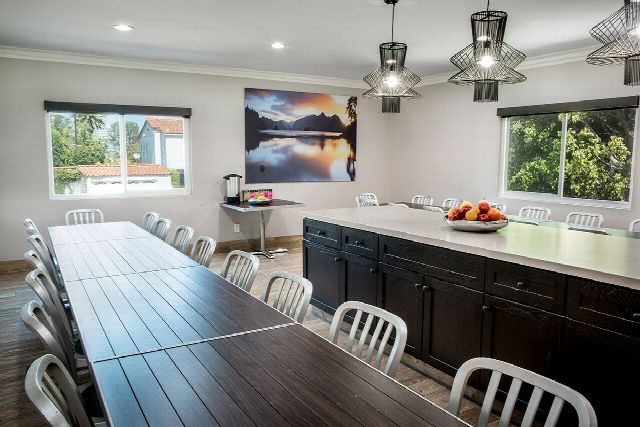
Chabad Residential and Outpatient Treatment Center
Los Angeles, CA
- Residential
- Sober Living
Substance use treatment · Accepts clients on opioid medication but prescribed elsewhere · Cognitive behavioral therapy
Accepts: Cash or self-payment, Medicaid, State-financed health insurance plan other than Medicaid
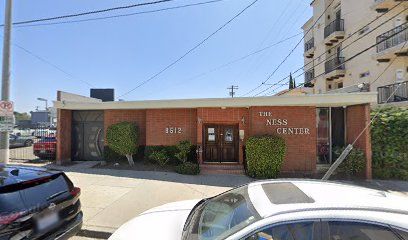
Ness Counseling Center Inc
Los Angeles, CA
- PHP
- IOP
Substance use treatment · Does not use medication for opioid addiction · Cognitive behavioral therapy
Accepts: Cash or self-payment, Private health insurance, Sliding fee scale

West Hollywood ATC LLC
West Hollywood, CA
- Detox
- Residential
- PHP
- IOP
Substance use treatment · Accepts clients on opioid medication but prescribed elsewhere · Cognitive behavioral therapy
Accepts: Cash or self-payment, Private health insurance

Outpatient Los Angeles
West Hollywood, CA
- Detox
- Outpatient
Addiction Treatment And Dual Diagnosis Treatment
Accepts: We Accept Most Ppo Insurance Plans And Carry A Multi Plan Agreement With A Few Larger Carriers. 90210 Recovery Offers Private Pay Options As Well.