

At a Glance
Location
425 West Moulton Lane, Heber City, UT 84032
Phone
435-657-9755Primary Focus
Treatment Settings
Treatment Approaches
Special Programs
About Wasatch Crest Treatment Services
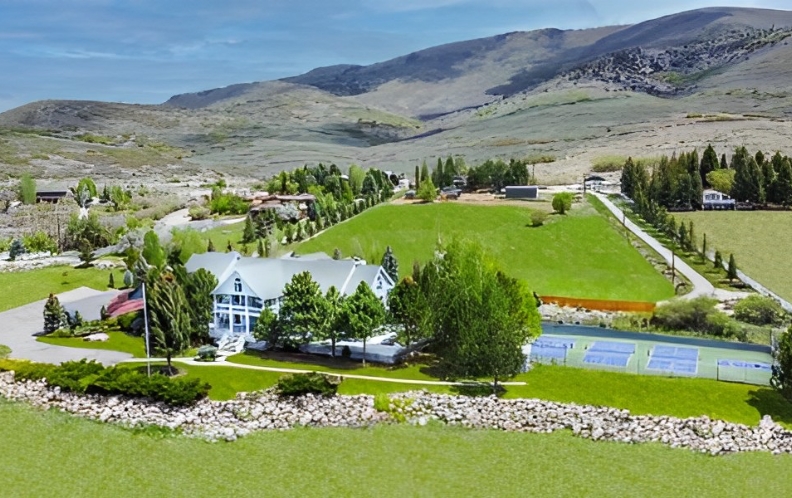
Wasatch Crest Treatment Services in Heber City, Utah offers a full continuum of addiction treatment — from social detox and residential treatment through outpatient programming — serving veterans, first responders, young adults, and others navigating co-occurring disorders and trauma. The Wasatch Warriors Alumni Program and a dedicated family program extend support well beyond discharge, anchoring long-term recovery in community.
Wasatch Crest Treatment Services is a substance use treatment facility located at 425 West Moulton Lane in Heber City, Utah, operating 24 hours a day to support people at every stage of the recovery process. Situated in Wasatch County, the center serves those seeking structured, ongoing addiction treatment — not just a short-term fix — and has developed specialized programming for first responders alongside its broader clinical offerings. For a recovery community audience evaluating long-term options, Wasatch Crest represents a full-spectrum commitment to sustained sobriety.
The center offers five distinct levels of care, giving clients the ability to step up or step down in intensity as their recovery demands: Social Detox, Residential Treatment, Partial Hospitalization (PHP), Intensive Outpatient (IOP), and a standard Outpatient Program. This continuum means someone can begin stabilization through social detox and transition directly into residential treatment, then move through PHP and IOP without leaving the Wasatch Crest system. That kind of programmatic continuity is a meaningful differentiator for people planning a longer recovery arc rather than a single episode of care.
Clinically, the center addresses trauma and PTSD alongside substance use, with co-occurring disorders and dual diagnosis built into the treatment model. Therapeutic methods confirmed at Wasatch Crest include Cognitive Behavioral Therapy (CBT), equine therapy, mindfulness therapy, and experiential therapy — a combination that reaches clients through both structured clinical work and more active, engagement-based approaches. This breadth of method reflects a center designed for people who need more than talk therapy alone.
Wasatch Crest serves a notably broad population: veterans, young adults aged 18 to 25, men, women, individuals with HIV/AIDS support needs, and those entering treatment through court orders. TRICARE acceptance makes the center a practical option for military-connected families. After primary treatment ends, the Wasatch Warriors Alumni Program and a dedicated family program keep clients and their loved ones connected to a recovery community — a critical factor for anyone building a sustainable, long-term sober life.
A Full Continuum of Addiction Treatment in Heber City, Utah
Wasatch Crest Treatment Services is structured around the reality that recovery rarely follows a straight line. By offering Social Detox, Residential Treatment, Partial Hospitalization (PHP), Intensive Outpatient (IOP), and a standard Outpatient Program under one roof, the center allows clients to move through levels of care without the disruption of switching providers mid-recovery. For people — and families — evaluating where to invest in long-term substance abuse treatment, that continuity matters.
The facility operates 24 hours a day, which speaks to both its residential capacity and its commitment to accessibility. Whether someone is transitioning out of social detox into a residential program or stepping down from PHP to IOP, Wasatch Crest's structure is built to support that progression within a consistent treatment environment.
Recovery Community and Aftercare: The Wasatch Warriors Alumni Program
Treatment completion is a milestone, not a finish line — and Wasatch Crest reflects that in its aftercare infrastructure. The Wasatch Warriors Alumni Program gives graduates an ongoing connection to a peer network rooted in the same treatment experience, which research consistently identifies as a protective factor in sustained sobriety. This kind of alumni program is what separates a recovery center from a short-term care facility.
The center also runs a family program, recognizing that the people surrounding someone in recovery are themselves affected and need support. For families evaluating sober living and aftercare options for a loved one, the combination of an alumni network and a structured family program positions Wasatch Crest as a long-term recovery partner rather than a single episode of care.
Specialized Care for Veterans, First Responders, and Young Adults
Wasatch Crest has developed programming specifically for first responders — a population whose professional culture and trauma exposure often require a clinical approach that acknowledges occupational context. Veterans are also a named population, and the center accepts TRICARE, making it a financially accessible option for military-connected individuals and families navigating addiction treatment.
Young adults aged 18 to 25 represent another distinct population served at the center. This group often faces different social and developmental pressures in recovery, and having that population explicitly recognized in a residential treatment setting can meaningfully affect engagement and outcomes. Court-ordered clients are also accepted, broadening access for people whose path to treatment came through the legal system.
Therapeutic Approaches: CBT, Equine Therapy, and Experiential Methods
The clinical framework at Wasatch Crest pairs Cognitive Behavioral Therapy — one of the most widely applied methods in addiction treatment — with equine therapy, mindfulness therapy, and experiential therapy. That combination is deliberately broader than a single-modality program, reaching clients through structured skill-building as well as through movement, relationship, and direct experience. For clients who have not responded to traditional talk therapy alone, the equine and experiential components represent a distinct clinical offering.
Trauma and PTSD treatment are integrated into the center's core programming rather than offered as add-ons. For a population that includes veterans, first responders, and others with significant trauma histories, this integration means co-occurring mental health needs are addressed alongside substance use — consistent with a dual diagnosis treatment model. Medicaid, private insurance, TRICARE, and self-pay are all accepted payment methods.
Why Choose Wasatch Crest Treatment Services
- Full continuum from social detox through outpatient — clients can progress across all five levels of care within one center
- Wasatch Warriors Alumni Program and family program provide structured community support after primary treatment ends
- Specialized programming for first responders and veterans, with TRICARE accepted
- Dual diagnosis and trauma/PTSD treatment integrated into the core clinical model
- Equine and experiential therapies alongside CBT and mindfulness — methods suited for clients who benefit from active, engagement-based recovery work
Frequently Asked Questions
What levels of care does Wasatch Crest Treatment Services offer for ongoing recovery?
Wasatch Crest offers five levels of care: Social Detox, Residential Treatment, Partial Hospitalization (PHP), Intensive Outpatient (IOP), and a standard Outpatient Program. This full continuum means clients can move through progressively less intensive levels of care within the same system, which supports a more stable and connected recovery process.
Does Wasatch Crest have an alumni program or aftercare support?
Yes. Wasatch Crest runs the Wasatch Warriors Alumni Program, which connects graduates to a peer recovery community rooted in shared treatment experience. The center also offers a family program, providing structured support for the loved ones of people in treatment and recovery.
Does Wasatch Crest treat co-occurring mental health conditions like trauma or PTSD?
Trauma, PTSD, and co-occurring disorders are among the confirmed conditions treated at Wasatch Crest. Dual diagnosis care is integrated into the center's programming rather than offered as a separate track, which means mental health and substance use treatment are addressed together throughout the recovery process.
What payment options does Wasatch Crest accept?
Wasatch Crest accepts Medicaid, private insurance, TRICARE, and self-pay or cash. TRICARE acceptance makes the center a viable option for veterans and active-duty military families seeking residential treatment or outpatient programming.
Is Wasatch Crest a good fit for veterans or first responders?
Yes. Veterans and first responders are both named populations served at Wasatch Crest, and the center has developed specialized addiction recovery programming for first responders specifically. The facility also accepts TRICARE, which covers many veterans and military-connected individuals.
What therapeutic methods are used at Wasatch Crest?
Confirmed therapeutic methods at Wasatch Crest include Cognitive Behavioral Therapy (CBT), equine therapy, mindfulness therapy, and experiential therapy. This combination addresses recovery through both structured clinical skill-building and more active, engagement-based approaches.
Does Wasatch Crest serve young adults in addiction treatment?
Young adults between the ages of 18 and 25 are a specifically recognized population at Wasatch Crest. The center's residential and outpatient programs are available to this age group, and the broader clinical model addresses co-occurring disorders and trauma that are common in younger populations.
Does Wasatch Crest accept court-ordered clients?
Yes, court-ordered clients are among the populations served at Wasatch Crest Treatment Services. The center offers multiple levels of care — including residential treatment and outpatient programming — that can accommodate court-mandated substance abuse treatment requirements.
Where is Wasatch Crest located, and is it open around the clock?
Wasatch Crest Treatment Services is located at 425 West Moulton Lane in Heber City, Utah 84032. The facility operates 24 hours a day and can be reached at (800) 385-3507.
Does Wasatch Crest offer a family program alongside addiction treatment?
Yes. Wasatch Crest offers a dedicated family program alongside its primary treatment services. Family involvement is recognized as a meaningful component of long-term recovery, and the program provides structured support for loved ones navigating the process alongside the person in treatment.
Nearby Treatment Centers
Wasatch Crest Recovery Residence Uinta House
Heber City, UT
- PHP
- IOP
- MAT
- Sober Living
Substance use treatment · Cognitive behavioral therapy · Dialectical behavior therapy
Accepts: Cash or self-payment, Medicaid, Private health insurance
Wasatch County Family Clinic Wasatch Behavioral Health
Heber City, UT
- IOP
- MAT
Substance use treatment · Accepts clients on opioid medication but prescribed elsewhere · Cognitive behavioral therapy
Accepts: Cash or self-payment, Medicaid, Medicare
Acqua Recovery
Midway, UT
- Detox
- Residential
- PHP
- IOP
Substance use treatment · Accepts clients on opioid medication but prescribed elsewhere · Cognitive behavioral therapy
Accepts: Cash or self-payment, Private health insurance, Military insurance

Expansive Horizons Counseling
Heber City, UT
- IOP
Substance use treatment · Does not treat opioid addiction · Cognitive behavioral therapy
Accepts: Cash or self-payment, Medicaid, Medicare
UNI Park City Behavioral Health Clinic
Park City, UT
- IOP
- MAT
Substance use treatment · Cognitive behavioral therapy · Dialectical behavior therapy
Accepts: Cash or self-payment, Medicaid, Medicare
Expansive Horizons Counseling
Kamas, UT
- IOP
Substance use treatment · Does not treat opioid addiction · Cognitive behavioral therapy
Accepts: Cash or self-payment, Medicaid, Medicare