

 1 / 3
1 / 3At a Glance
Primary Focus
Treatment Settings
Treatment Approaches
Special Programs
About Visions Adolescent Treatment Center
Visions Adolescent Treatment Center in Malibu, CA specializes exclusively in teen and adolescent recovery, offering residential treatment, PHP, and outpatient programming for substance use disorders and co-occurring mental health conditions. With alumni programs, continuing care, and discharge planning built into every step, Visions is structured as a long-term recovery partner for young people and their families.
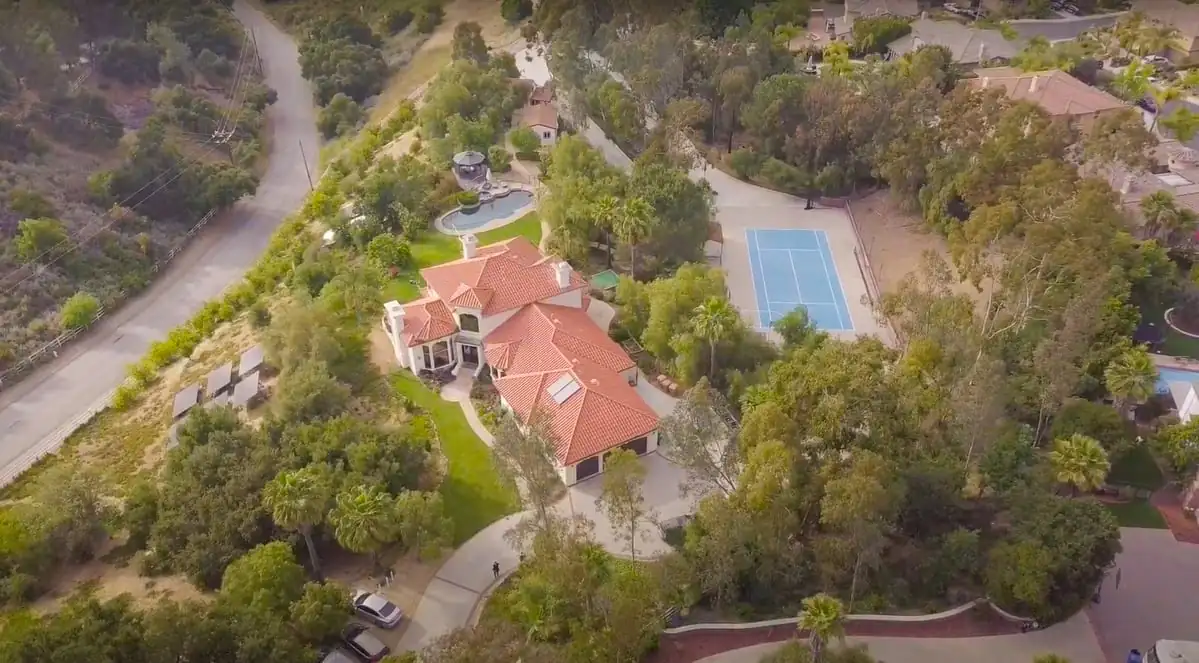
Visions Adolescent Treatment Center sits along Mulholland Highway in Malibu, California, operating 24 hours a day as a residential facility dedicated entirely to adolescents and teens — including LGBTQ+ youth — who are navigating substance use disorders, co-occurring mental health conditions, or both. Its clinical offices in Brentwood extend the center's reach for families across the Los Angeles area. This is not a general-population program that carves out a youth wing; the entire center is built around the specific developmental and emotional needs of young people in recovery.
The center offers three distinct levels of care: residential treatment for teens who need full-time, structured support; a Partial Hospitalization Program (PHP) that provides intensive daily programming while allowing greater flexibility; and an outpatient program for adolescents who are stepping down from higher levels of care or beginning recovery in a less restrictive setting. Free assessments and drug testing are available on-site, giving families a clear clinical picture before committing to a level of care.
Visions treats a wide range of conditions alongside substance use, including dual diagnosis and co-occurring disorders such as depression, anxiety, PTSD, bipolar disorder, borderline personality disorder, ADHD, OCD, eating disorders, trauma, self-harm, and suicidal ideation. The center's therapeutic framework draws on individual therapy, group therapy, family therapy, and psychological evaluation — keeping families engaged as active participants rather than bystanders in their teen's recovery process.
The populations Visions serves are specific: adolescents, teens, and LGBTQ+ youth. That focus matters for families evaluating long-term recovery options, because the peer community inside the program reflects the same age group and shared experiences. Aftercare is formalized through alumni programs, discharge planning, and continuing care support — meaning the relationship with Visions does not end at discharge but extends into the next phase of a young person's recovery.
Adolescent Rehab & Residential Treatment in Malibu
Visions Adolescent Treatment Center is one of the few residential treatment programs in California built exclusively around the recovery needs of teens. Located on Mulholland Highway in Malibu and open 24 hours a day, the facility provides around-the-clock care for adolescents managing substance use disorders and the mental health conditions that frequently accompany them. For families researching rehab options, that single-population focus is significant — the clinical approach, peer community, and programming are all calibrated for young people rather than adapted from adult models.
The center also maintains clinical offices in Brentwood, giving Los Angeles-area families an accessible point of contact for assessments and ongoing coordination. Free assessments are available, allowing families to understand the recommended level of care before making any commitments. Drug testing is conducted on-site as part of the clinical process.
Levels of Care: From Residential Treatment to Outpatient Recovery
Visions offers a full continuum across three levels of care. Residential treatment places teens in a full-time recovery environment with continuous clinical support — appropriate for adolescents whose substance use or co-occurring conditions require intensive, immersive care. The Partial Hospitalization Program (PHP) provides structured, day-intensive programming for teens who benefit from high-frequency clinical contact without 24-hour residential placement. The outpatient program serves adolescents transitioning out of higher levels of care or those beginning recovery in a less intensive setting.
Having all three levels under one provider matters for teens in longer-term recovery. Rather than transferring to an entirely new program as clinical needs change, adolescents can step down gradually within a familiar therapeutic environment, with the same treatment team and peer community supporting the transition. That continuity is a meaningful component of sustained recovery for young people.
Co-Occurring Disorders & Dual Diagnosis Treatment for Teens
Substance use disorders in adolescents rarely arrive alone. Visions treats a comprehensive range of co-occurring mental health conditions, including depression, anxiety, bipolar disorder, PTSD, borderline personality disorder, ADHD, OCD, eating disorders, trauma, impulse and conduct disorders, neurodevelopmental disorders, self-harm, and suicidal ideation. Dual diagnosis treatment — addressing substance use and mental health conditions simultaneously rather than sequentially — is a core part of the clinical model.
Therapeutic services include individual therapy, group therapy, family therapy, and psychological evaluation. Family therapy in particular reflects a recognition that adolescent recovery does not happen in isolation; parents and family members are part of the treatment process, not waiting on the outside of it. Psychological evaluations help establish a complete clinical picture and inform each teen's care within the program.
Aftercare, Alumni Programs & Continuing Care for Young People
For families evaluating long-term recovery options rather than a single episode of care, Visions' aftercare infrastructure is worth examining closely. The center provides formal discharge planning, continuing care support, and alumni programs — all of which are designed to extend support beyond the treatment stay itself. For adolescents, that ongoing connection to a recovery community can be one of the more consequential factors in sustaining sobriety after returning to everyday life.
The alumni program creates a peer network of young people who have gone through similar experiences at Visions, offering a community touchpoint that persists well after discharge. Continuing care and discharge planning ensure that the transition out of residential treatment or PHP is structured and supported, with clear next steps rather than an abrupt handoff. For parents navigating this process, that level of aftercare planning represents a concrete commitment to a teen's recovery beyond the treatment episode.
Why Choose Visions Adolescent Treatment Center
- Exclusively adolescent and teen focused — not a youth unit within a larger adult program
- Three levels of care (residential, PHP, outpatient) allow teens to step up or down without changing providers
- Formal aftercare infrastructure: alumni programs, discharge planning, and continuing care built into every stay
- Treats a broad range of co-occurring mental health conditions alongside substance use disorders, including PTSD, eating disorders, and self-harm
- LGBTQ+ youth are an explicitly served population, not an afterthought
Frequently Asked Questions
What age group does Visions Adolescent Treatment Center serve?
Visions serves adolescents and teens exclusively, including LGBTQ+ youth. The entire program — from residential treatment through outpatient care — is designed around the clinical and developmental needs of young people, not adapted from an adult treatment model.
What levels of care does Visions offer for teen addiction treatment?
Visions provides three levels of care: residential treatment, Partial Hospitalization (PHP), and an outpatient program. This continuum allows teens to receive the right intensity of care for their situation and to step down gradually as their recovery progresses, all within the same provider.
Does Visions treat mental health conditions alongside substance use disorders?
Yes. Visions treats a broad range of co-occurring conditions including depression, anxiety, PTSD, bipolar disorder, borderline personality disorder, ADHD, OCD, eating disorders, trauma, self-harm, and suicidal ideation. Dual diagnosis and co-occurring disorder treatment is a confirmed part of the center's clinical scope.
What aftercare support does Visions provide after a teen completes treatment?
Visions offers alumni programs, discharge planning, and continuing care support as part of its aftercare framework. These services are designed to maintain connection to a recovery community and provide structured next steps after a teen transitions out of residential or PHP care.
Where is Visions Adolescent Treatment Center located?
The residential facility is located at 33335 Mulholland Highway in Malibu, California. The center also maintains clinical offices in Brentwood for families in the greater Los Angeles area. The facility operates 24 hours a day.
Does Visions offer free assessments?
Yes. Free assessments are listed as an available feature at Visions. Assessments help determine the appropriate level of care — residential, PHP, or outpatient — before a family commits to a program.
Is Visions appropriate for LGBTQ+ teens seeking addiction treatment?
Yes. LGBTQ+ youth are an explicitly confirmed population served by Visions Adolescent Treatment Center. The program's focus on adolescents and teens includes this community as a named population rather than an implied accommodation.
What therapeutic approaches are used at Visions?
Confirmed therapeutic services at Visions include individual therapy, group therapy, family therapy, and psychological evaluation. Family therapy keeps parents and family members actively involved in the recovery process rather than on the periphery of treatment.
How does Visions support families during a teen's treatment?
Family therapy is a confirmed therapeutic method at Visions, meaning families are engaged as participants in the clinical process. The center also provides discharge planning and continuing care to help families understand what comes after treatment and how to support ongoing recovery.
Can a teenager step down from residential treatment to outpatient care at Visions?
Yes. Visions offers residential treatment, PHP, and outpatient programming under one roof, which allows for clinical step-downs within the same provider. This continuity of care — same staff, same peer community — is a meaningful advantage for teens in longer-term recovery.
Nearby Treatment Centers

Milestones Ranch Malibu
Malibu, CA
- Residential
- MAT
Substance use treatment · Accepts clients on opioid medication but prescribed elsewhere · Cognitive behavioral therapy
Accepts: Cash or self-payment, Private health insurance, Sliding fee scale

Avalon by the Sea Ac LLC Avalon Integrated Wellness
Malibu, CA
- Detox
- Residential
- PHP
- Outpatient
Substance use treatment · Accepts clients on opioid medication but prescribed elsewhere · Cognitive behavioral therapy
Accepts: Cash or self-payment, Private health insurance, Military families
Behavioral Health Solutions of Malibu Broad Beach Retreat
Malibu, CA
- Detox
- Residential
- MAT
Substance use treatment · Cognitive behavioral therapy · Dialectical behavior therapy
Accepts: Cash or self-payment, Active duty military, Military families
James and Bentz Inc Beach House Treatment
Malibu, CA
- Detox
- Residential
- PHP
- IOP
Substance use treatment · Cognitive behavioral therapy · Dialectical behavior therapy
Accepts: Cash or self-payment, Private health insurance, Active duty military
Lakehouse Recovery Center
Westlake Village, CA
- PHP
- IOP
- MAT
Substance use treatment · Accepts clients on opioid medication but prescribed elsewhere · Cognitive behavioral therapy
Accepts: Cash or self-payment, Private health insurance, Sliding fee scale
Access Malibu Inc
Malibu, CA
- Detox
- Residential
- MAT
Substance use treatment · Cognitive behavioral therapy · Dialectical behavior therapy
Accepts: Cash or self-payment, Private health insurance