

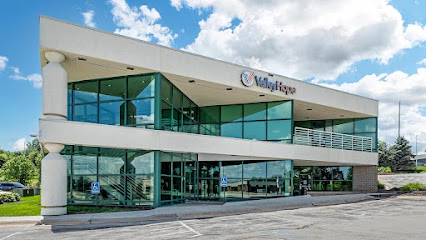
At a Glance
Location
11815 M Street, Suite 100, Omaha, NE 68137
Phone
(402) 991-8824Primary Focus
Treatment Settings
Treatment Approaches
About Valley Hope of Omaha
Valley Hope of Omaha brings structured outpatient addiction treatment and recovery support to Omaha, Nebraska, under the nationally recognized Valley Hope network. The center offers both an Outpatient Program and Intensive Outpatient Program (IOP), serving a wide range of populations — including veterans, young adults, and those managing co-occurring disorders — with Joint Commission accreditation backing its clinical standards.
Valley Hope of Omaha is an outpatient substance use treatment center located at 11815 M Street in Omaha, Nebraska, operating as part of the broader Valley Hope Addiction Treatment and Recovery network. The center is accredited by the Joint Commission (JCAHO), a mark of clinical accountability that matters when individuals and families are choosing a long-term recovery partner rather than a short-term fix. Valley Hope of Omaha opened its Omaha outpatient location in May 2024, bringing the organization's established recovery model to Douglas County.
The center offers two primary levels of outpatient care: a standard Outpatient Program and an Intensive Outpatient Program (IOP). The IOP is designed for people who need structured, frequent support while maintaining work, school, or family responsibilities — a meaningful option for those stepping down from a higher level of care or beginning recovery without needing residential treatment. Both programs fall within the outpatient continuum, making Valley Hope of Omaha a practical choice for individuals seeking ongoing recovery support rather than acute inpatient care.
Clinically, the center uses Cognitive Behavioral Therapy (CBT) as a core therapeutic method and addresses co-occurring disorders and trauma/PTSD alongside substance use treatment. That dual-diagnosis capability is significant: many people in recovery carry mental health challenges that, if left unaddressed, can undermine long-term sobriety. Treating the whole picture — not just the substance use — is central to what Valley Hope of Omaha does.
Valley Hope of Omaha serves a notably broad population, including veterans, pregnant women, young adults ages 18–25, seniors, men, women, individuals with HIV/AIDS support needs, and those who are court-ordered into treatment. Payment options include private insurance, TRICARE — making the center especially accessible for military families — and self-pay. The center operates seven days a week, around the clock, for admissions and support.
Outpatient & IOP: Recovery Built Around Real Life
Valley Hope of Omaha's outpatient addiction treatment model is designed for people who are serious about long-term recovery but need the flexibility to remain in their communities. The standard Outpatient Program provides consistent, structured care without requiring a residential stay, while the Intensive Outpatient Program (IOP) offers a more rigorous schedule of sessions — a proven format for those transitioning from a higher level of care or entering recovery with significant support needs.
The IOP model at Valley Hope of Omaha is particularly well-suited for individuals managing work, caregiving, or family obligations while still committing to structured substance abuse treatment. This level of care sits at the center of the recovery continuum: more intensive than traditional weekly counseling, but designed to integrate into everyday life rather than remove someone from it entirely.
Dual Diagnosis & Trauma-Informed Addiction Treatment
Substance use rarely exists in isolation. Valley Hope of Omaha is equipped to treat co-occurring disorders and trauma/PTSD alongside addiction, using Cognitive Behavioral Therapy (CBT) as a core clinical method. CBT helps clients identify and shift the thought patterns that contribute to substance use — a skill set that supports recovery well beyond the program itself.
For individuals whose recovery journey involves unresolved trauma or a mental health diagnosis layered onto their substance use, Valley Hope of Omaha's dual-diagnosis capability means both issues can be addressed within the same treatment setting. That kind of integrated care is a key consideration for families evaluating outpatient rehab options in the Omaha area.
Who Valley Hope of Omaha Serves
Few outpatient recovery centers in the Omaha region serve as wide a population as Valley Hope. The center explicitly accepts veterans, pregnant women, young adults (18–25), seniors, men, women, individuals with HIV/AIDS-related support needs, and those entering treatment through court order. This breadth reflects a program designed to meet people where they are — not just a narrow clinical demographic.
For veterans and military families in particular, Valley Hope of Omaha accepts TRICARE in addition to private insurance and self-pay options. That financial accessibility, combined with a treatment model that understands the specific pressures facing military populations, makes this center a meaningful choice for service members and their families seeking substance abuse treatment in Douglas County.
Accreditation & Accessibility at Valley Hope of Omaha
Valley Hope of Omaha holds Joint Commission (JCAHO) accreditation — the gold standard in behavioral health facility oversight. For families doing their due diligence on outpatient programs, this credential signals that the center meets rigorous national standards for clinical quality and patient safety. It is one of the clearest markers separating credentialed addiction treatment centers from less accountable options.
The center is open seven days a week for admissions, providing consistent access for people who are ready to begin their recovery at any point in the week. Located at 11815 M Street in Omaha, Nebraska, Valley Hope of Omaha is reachable at (402) 991-8824 for those exploring outpatient or IOP program options.
Why Choose Valley Hope of Omaha
- Part of the nationally recognized Valley Hope network, bringing established recovery programming to Omaha's outpatient landscape
- Joint Commission (JCAHO) accreditation — a meaningful clinical standard for those choosing a long-term recovery center
- Dual-diagnosis treatment that addresses co-occurring conditions like trauma and PTSD alongside substance use recovery
- TRICARE accepted, making the center a direct fit for veterans and active-duty military families navigating addiction treatment
- Serves one of the broadest population profiles in the region, including pregnant women, seniors, young adults, and court-ordered clients
Frequently Asked Questions
What levels of care does Valley Hope of Omaha offer?
Valley Hope of Omaha offers two levels of outpatient addiction treatment: a standard Outpatient Program and an Intensive Outpatient Program (IOP). These programs are designed for individuals who want structured recovery support while remaining in the community. The IOP provides a more intensive schedule suited for those with higher support needs or those stepping down from residential treatment.
Does Valley Hope of Omaha treat co-occurring mental health conditions?
Yes. Valley Hope of Omaha is equipped to treat co-occurring disorders and dual diagnosis conditions, including trauma and PTSD, alongside substance use. This integrated approach means clients do not need to address mental health and addiction separately, which is often critical to sustaining long-term recovery.
What therapy methods are used at Valley Hope of Omaha?
Cognitive Behavioral Therapy (CBT) is a confirmed therapeutic method used at Valley Hope of Omaha. CBT focuses on identifying and changing thought patterns that drive addictive behavior, giving clients practical skills they can carry into life after treatment.
Does Valley Hope of Omaha accept TRICARE for veterans?
Yes, Valley Hope of Omaha accepts TRICARE, making the center directly accessible for veterans, active-duty service members, and their families. The center also accepts private insurance and self-pay, broadening access for individuals across different financial situations.
Is Valley Hope of Omaha accredited?
Valley Hope of Omaha holds accreditation from the Joint Commission (JCAHO), one of the most recognized quality standards in behavioral health care. For families evaluating addiction treatment centers, this accreditation reflects a commitment to consistent clinical standards and patient safety.
What populations does Valley Hope of Omaha specialize in serving?
The center serves a broad range of populations, including veterans, pregnant women, young adults ages 18–25, seniors, men, women, individuals with HIV/AIDS support needs, and those entering treatment through court order. This range makes Valley Hope of Omaha one of the more inclusive outpatient programs in the Omaha area.
Is Valley Hope of Omaha an inpatient or outpatient rehab?
Valley Hope of Omaha is an outpatient addiction treatment center. It does not offer residential or inpatient treatment at this location. The facility provides both a standard Outpatient Program and an Intensive Outpatient Program (IOP) for individuals seeking structured recovery support while living at home or in the community.
What are Valley Hope of Omaha's hours?
Valley Hope of Omaha is available for admissions seven days a week. The center can be reached at (402) 991-8824. Seven-day access means individuals and families are not limited to weekday business hours when taking that first step toward recovery.
What is the difference between the Outpatient Program and the IOP at Valley Hope of Omaha?
The standard Outpatient Program provides regular, structured counseling and treatment sessions at a lower frequency, suitable for individuals with stable home environments and strong support networks. The Intensive Outpatient Program (IOP) involves a more demanding schedule of sessions each week, making it a better fit for those who need more support than traditional outpatient care provides but do not require residential treatment.
Where is Valley Hope of Omaha located?
Valley Hope of Omaha is located at 11815 M Street, Omaha, NE 68137, in Douglas County. The center is part of the national Valley Hope Addiction Treatment and Recovery network. Individuals interested in learning more or beginning the admissions process can call (402) 991-8824.
Nearby Treatment Centers
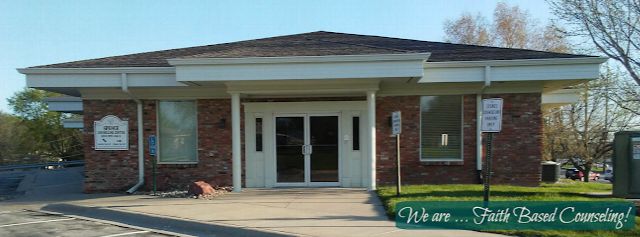
Spence Counseling Center
Omaha, NE
- Outpatient
Substance use treatment · Does not treat opioid addiction · Cognitive behavioral therapy
Accepts: Cash or self-payment, Medicaid, State-financed health insurance plan other than Medicaid
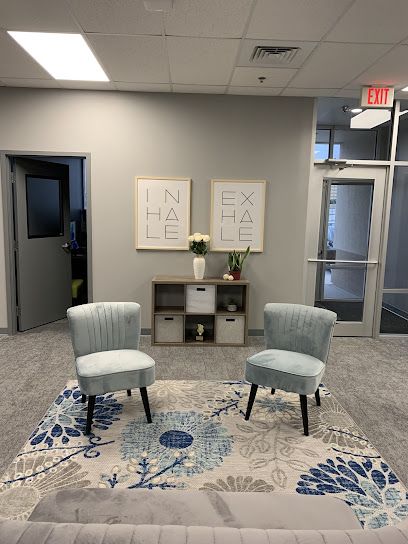
Omaha Treatment Center
Omaha, NE
- Detox
- Outpatient
- MAT
Substance use treatment · All Clients in Opioid Treatment Program · SAMHSA-certified Opioid Treatment Program
Accepts: Cash or self-payment
Arbor Family Counseling Associates Inc
Omaha, NE
- Outpatient
Substance use treatment · Does not treat opioid addiction · Cognitive behavioral therapy
Accepts: Cash or self-payment, Medicaid, Private health insurance

OneWorld Community Health Centers Inc
Omaha, NE
- Outpatient
Substance use treatment · Does not treat opioid addiction · Cognitive behavioral therapy
Accepts: Cash or self-payment, Medicaid, Medicare
Gregory D Tvrdik PC Counseling Connections and Associates
Omaha, NE
- IOP
Substance use treatment · Does not treat opioid addiction · Cognitive behavioral therapy
Accepts: Cash or self-payment, Medicaid, Medicare
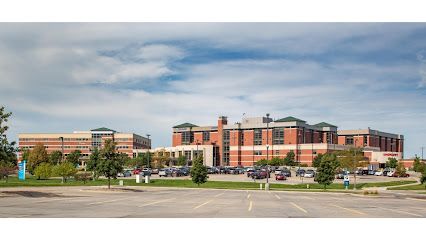
CHI Health Psych Assoc Lakeside
Omaha, NE
- Outpatient
Substance use treatment · Does not use medication for opioid addiction · Cognitive behavioral therapy
Accepts: Cash or self-payment, Medicaid, Medicare