

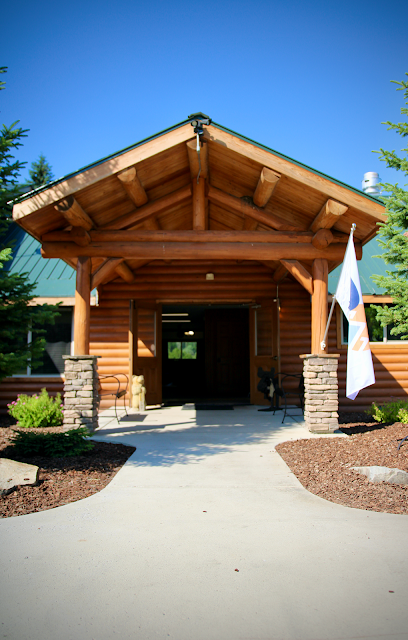
At a Glance
Location
31733 South Fork Yaak Road, Troy, MT 59935
Phone
800-845-1380Website
http://www.turningwinds.comPrimary Focus
Treatment Settings
Treatment Approaches
Special Programs
About Turning Winds
Turning Winds is a residential treatment center in Troy, Montana, dedicated exclusively to adolescents navigating substance use disorders and co-occurring mental health challenges. Set within a therapeutic environment that models functional family dynamics, the center offers Joint Commission-accredited residential treatment for teens using Cognitive Behavioral Therapy. Families seeking a structured recovery community for their teenager will find a program designed around long-term transformation rather than short-term stabilization.
Tucked along South Fork Yaak Road in Troy, Montana, Turning Winds is a Joint Commission-accredited residential treatment center built specifically for adolescents. Rather than serving a general adult population, the program centers entirely on teens — creating a therapeutic community modeled after functional family dynamics, where young people work through substance use disorders and co-occurring mental health conditions in a setting designed to feel less like a clinical ward and more like a purposeful home environment. The facility operates seven days a week, around the clock, reflecting the reality that recovery for adolescents does not pause on weekends.
Residential treatment is the program's sole level of care, meaning teens who enroll are immersed in a full-time, live-in recovery experience rather than attending sessions and returning home each evening. This residential model supports the kind of consistent structure and daily accountability that adolescents in recovery often need most. Because the program is residential from the ground up — not an adult facility with a youth wing — the environment, programming, and therapeutic relationships are all calibrated to teenage development and the specific pressures teens face.
Cognitive Behavioral Therapy forms the clinical backbone of Turning Winds' therapeutic approach. CBT equips adolescents with practical skills for recognizing and reshaping the thought patterns that drive substance use and mental health struggles like teen anxiety and teen depression. The center treats both substance use disorders and mental health disorders concurrently, acknowledging that for many teens these challenges are deeply intertwined and cannot be meaningfully separated during the recovery process.
Turning Winds serves adolescents exclusively, making it a focused choice for families who want a recovery center that understands the specific terrain of teenage substance abuse treatment. The program accepts private insurance, TRICARE — making it accessible to military families — and self-pay. Joint Commission accreditation signals that the facility meets nationally recognized standards for care quality. For parents and guardians evaluating long-term residential treatment options, Turning Winds offers a clinically grounded, teen-specific program in a remote Montana setting that physically removes young people from the environments where substance use took hold.
Residential Treatment Built Around Teen Recovery
Turning Winds takes a different structural approach than general addiction treatment centers: every element of the program exists for adolescents. The residential treatment model keeps teens fully immersed in the recovery community, removing the interruptions and environmental triggers that can undermine progress when young people return home each evening. Around-the-clock availability, seven days a week, means support is present whenever a teenager needs it — not just during office hours.
For families researching residential treatment options, the distinction between a teen-specific program and an adapted adult program matters. At Turning Winds, the peer community, therapeutic relationships, and daily structure are all calibrated to adolescent development from the start. That design choice shapes everything from how group dynamics function to how clinical staff engage with young people working through substance use disorders and mental health challenges simultaneously.
A CBT-Grounded Approach to Adolescent Substance Abuse Treatment
Cognitive Behavioral Therapy is the confirmed clinical method at Turning Winds, and it is particularly well-suited to adolescent substance abuse treatment. CBT helps teens identify the connections between thoughts, emotions, and behaviors — giving them concrete tools rather than abstract principles. For a teenager contending with both a substance use disorder and conditions like anxiety or depression, learning to interrupt destructive thought cycles is a foundational recovery skill that extends well beyond the residential stay.
The center treats mental health disorders and substance use disorders together within the residential program, reflecting an understanding that these conditions frequently reinforce one another in adolescent populations. Families looking for a recovery center that addresses the full picture — not just the visible substance use — will find that Turning Winds' scope of treatment aligns with that priority.
Paying for Teen Residential Treatment at Turning Winds
Turning Winds accepts private insurance, TRICARE, and self-pay, covering a range of financial situations families commonly navigate when seeking residential treatment for an adolescent. TRICARE acceptance is a notable feature, giving military families a Joint Commission-accredited teen residential option that works within their benefits. Families are encouraged to contact the center directly at (800) 845-1380 to confirm coverage specifics and discuss payment options before enrollment.
Joint Commission accreditation is worth noting in the context of payment decisions: it provides an independent quality benchmark that insurers and families can reference when evaluating whether a residential treatment center meets established care standards. For parents comparing programs, accreditation status is one of the more concrete indicators available when assessing a facility's commitment to quality residential care.
Where Turning Winds Fits in the Longer Recovery Journey
Residential treatment at Turning Winds is not a brief intervention — it is an immersive, full-time commitment designed to create lasting change in how adolescents relate to substances and to themselves. The program's framing around functional family dynamics suggests an intentional effort to prepare teens not just for sobriety, but for healthier relationships and functioning within a family and community context after treatment ends.
For families planning a teenager's recovery, residential treatment at a place like Turning Winds often represents a critical middle chapter — intensive enough to interrupt entrenched patterns, structured enough to build new ones, and long-term enough to allow genuine therapeutic progress. Located in Troy, Montana, the program's rural setting provides geographic distance from the environments many teens need to step away from while doing this work.
Why Choose Turning Winds
- Exclusively adolescent population — not a mixed-age facility with a youth unit bolted on
- Joint Commission (JCAHO) accreditation, a meaningful quality benchmark for families evaluating long-term residential treatment
- Treats co-occurring mental health disorders (including teen anxiety and teen depression) alongside substance use disorders within the same residential program
- Accepts TRICARE, extending access to military families seeking residential treatment for their teens
- Therapeutic environment modeled on functional family dynamics, designed to build the relational skills teens carry into long-term recovery
Frequently Asked Questions
What level of care does Turning Winds provide?
Turning Winds provides residential treatment, meaning teens live at the facility full-time while receiving care. This is a longer-term, immersive level of care focused on sustained recovery rather than short-term stabilization. The program operates seven days a week, 24 hours a day.
Who does Turning Winds serve?
Turning Winds serves adolescents exclusively. The program is designed specifically for teens dealing with substance use disorders, mental health disorders, teen anxiety, and teen depression — often in combination. It is not a general adult treatment facility with a youth component.
What mental health conditions does Turning Winds treat alongside substance use?
The confirmed conditions treated at Turning Winds include substance use disorders, substance abuse disorders, mental health disorders, teen anxiety, and teen depression. Treating these conditions together within the residential program reflects the reality that many adolescents experience co-occurring challenges.
What therapy approach does Turning Winds use?
Turning Winds uses Cognitive Behavioral Therapy (CBT) as its confirmed therapeutic method. CBT helps adolescents recognize how thought patterns influence behavior and emotions, and provides practical skills that support long-term recovery beyond the residential stay.
Is Turning Winds accredited?
Yes. Turning Winds holds accreditation from the Joint Commission (JCAHO), one of the most widely recognized independent accreditation bodies for healthcare and treatment facilities in the United States. This accreditation signals that the program meets established national standards for care quality.
Does Turning Winds accept insurance?
Turning Winds accepts private insurance, TRICARE, and self-pay. TRICARE acceptance makes the program an option for military families seeking residential treatment for a teenager. Families should contact Turning Winds directly at (800) 845-1380 to confirm their specific coverage.
Is Turning Winds a good fit for military families?
Turning Winds accepts TRICARE, which is the health coverage program used by many military families. Combined with its Joint Commission accreditation and teen-specific residential treatment model, it represents a verifiable option for military families evaluating adolescent substance abuse treatment.
Where is Turning Winds located?
Turning Winds is located at 31733 South Fork Yaak Road in Troy, Montana — a rural setting in Lincoln County. The remote location can be a deliberate part of the recovery environment, providing distance from the communities and environments where a teen's substance use developed.
Does Turning Winds treat teens with both substance use and mental health issues?
Yes. Turning Winds treats co-occurring conditions within its residential program, including substance use disorders alongside mental health disorders, teen anxiety, and teen depression. Addressing these together rather than separately is central to how the program approaches adolescent recovery.
How can families contact Turning Winds to learn more?
Families can reach Turning Winds by phone at (800) 845-1380. The center operates seven days a week, 24 hours a day, so families are not limited to weekday business hours when reaching out to discuss residential treatment options for their teenager.
Nearby Treatment Centers
Gateway Community Services Libby Office
Libby, MT
- IOP
Substance use treatment · Accepts clients on opioid medication but prescribed elsewhere · Cognitive behavioral therapy
Accepts: Cash or self-payment, Medicaid, State-financed health insurance plan other than Medicaid
Sweetgrass Psychological Services
Whitefish, MT
- IOP
Substance use treatment · Does not treat opioid addiction · Cognitive behavioral therapy
Accepts: Cash or self-payment, Medicaid, Medicare
Gateway Community Services Kalispell Office
Kalispell, MT
- IOP
- Sober Living
Substance use treatment · Accepts clients on opioid medication but prescribed elsewhere · Cognitive behavioral therapy
Accepts: Cash or self-payment, Medicaid, State-financed health insurance plan other than Medicaid
Youth Dynamics Inc
Kalispell, MT
- IOP
Substance use treatment · Accepts clients on opioid medication but prescribed elsewhere · Cognitive behavioral therapy
Accepts: Cash or self-payment, Medicaid, State-financed health insurance plan other than Medicaid
Pathways Treatment Center Kalispell Regional Medical Center
Kalispell, MT
- Detox
- MAT
Substance use treatment · Accepts clients on opioid medication but prescribed elsewhere · Cognitive behavioral therapy
Accepts: Cash or self-payment, Medicaid, Medicare
Oxytocin LLC
Kalispell, MT
- IOP
Substance use treatment · Accepts clients on opioid medication but prescribed elsewhere · Cognitive behavioral therapy
Accepts: Cash or self-payment, Medicaid, Private health insurance